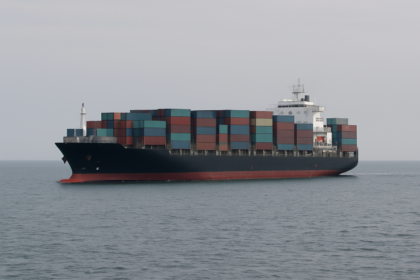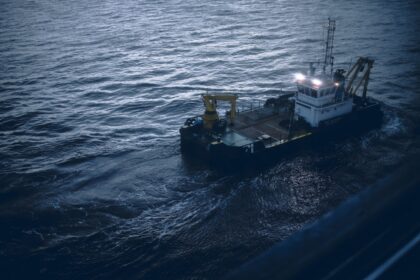
A Finnish court has sentenced the captain and a crew member of the general cargo ship Fitburg to prison for engaging in the deliberate destruction of subsea telecommunications cables in the Gulf of Finland on New Year’s Eve 2025. The Helsinki District Court sentenced Andrei Maksimenko, a Russian national, to three and a half years in prison, while Azerbaijani bosun Vusal Majidov received a lesser sentence.
The Incident
The Fitburg’s crew was found guilty of intentionally severing two critical subsea cables, which are essential for telecommunications in the region. The sabotage occurred amidst rising tensions related to maritime security in the Baltic Sea area, a crucial passage for shipping and naval operations. The ramifications of this incident extend beyond the immediate damage, raising questions about the safety and operational integrity of shipping routes near critical infrastructure.

Legal Implications
This ruling marks a significant legal action against maritime sabotage, demonstrating Finland’s commitment to upholding security standards in its waters. The involvement of foreign nationals complicates the situation, as it potentially affects diplomatic relations between Finland and the countries of origin of the crew members. Legal experts anticipate that this case may establish precedents for future incidents, particularly in context with international maritime law and security protocols.


Market Impact
The incident highlights potential vulnerabilities in subsea infrastructure, prompting shipping operators to consider the risks associated with navigation in sensitive areas. Increased vigilance regarding subsea cable security may lead to higher operational costs as shipping companies implement additional safety measures. Furthermore, the incident could result in a reassessment of maritime routes and logistics within the region, affecting overall shipping traffic patterns.
Behind the Headline
The conviction of the Fitburg’s captain and bosun indicates a significant escalation in the enforcement of security protocols regarding maritime operations. For operators, the sabotage raises alarms about the safety of critical infrastructure and the need for enhanced protection against potential malicious acts. This incident serves as a reminder of the interconnectedness of maritime activities and telecommunications, emphasizing the importance of safeguarding subsea cables that are vital for global communications. Moving forward, it will be crucial for maritime stakeholders to closely monitor developments in this area, as further legal precedence could shape the future landscape of maritime security policies in contested waters.