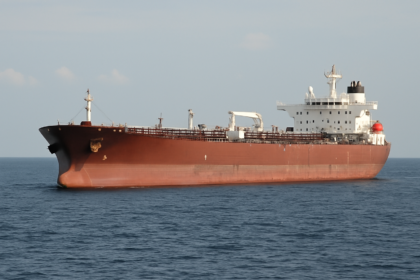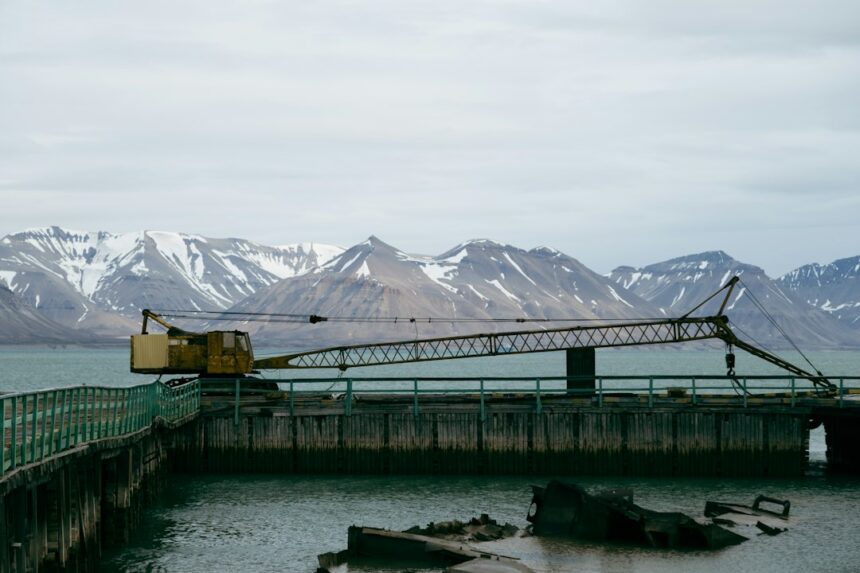
Norwegian authorities have detained the Chinese-owned heavy-lift vessel Ya Qing Hai Yang for not possessing valid flag-state registration and lacking required certificates. This notable enforcement action is tied to heightened scrutiny on vessels associated with Russia’s sanctioned energy sector, particularly in light of the ongoing Russo-Ukrainian conflict.
The Incident
The Ya Qing Hai Yang was detained on October 13 after it sought refuge from inclement weather in Andfjorden, off the Vesterålen Islands in northern Norway. During the inspection, Norwegian Maritime Authority officials outlined that the vessel was missing valid documentation for its registration, leading to its current detention status, which is now under review until compliance is achieved.
This incident is significant as it represents Norway’s first publicly acknowledged detention involving a vessel linked to Russia’s so-called shadow fleet. Previously, Norway had adhered to a strategy of voluntary inspections and monitoring compliance rather than direct detentions or boarding. However, the vessel’s apparent links to the Russian Arctic LNG sector and lack of valid documentation have led to its detention while safety measures are reassessed.


Geopolitical Context
The Ya Qing Hai Yang has a history of involvement in sensitive shipments tied to Russian energy projects. Notably, in October 2024, while operating under the name Ocean 28, it transported crucial equipment from China to the Arctic LNG 2 project, which is managed by Novatek on Russia’s Gydan Peninsula. Following this delivery, the vessel and its operator were sanctioned by both the United States and subsequently included on the European Union’s sanctions lists, reflecting broader efforts by Western nations to curb Russia’s energy exports.
This detention underscores increasing operational challenges for vessels associated with Russia’s maritime endeavors. European governments, including Norway, are under growing pressure to enforce sanctions rigorously, particularly as more vessels linked to Russia navigate the Arctic routes.
Operator Response
Norwegian maritime authorities maintain that the decision to detain the Ya Qing Hai Yang stemmed from regulatory compliance issues, not exclusively because of the sanctions status. As the situation evolves, operators in the sector must remain vigilant regarding registration validity and maritime safety standards in the Arctic. Authorities indicate that both the detained vessel and a second Chinese-owned ship inspected at the same location represent a trend of increased regulatory attention in the region.
The second vessel, Jian Yang Cheng He, although not detained, was also found to have several deficiencies, further illustrating the stringent safety expectations imposed by Norwegian authorities. However, it departed briefly but returned to shelter due to severe weather conditions, revealing the precarious operational environment in the Arctic.
The Operational Read
The detention of the Ya Qing Hai Yang exemplifies the intricate interconnection between maritime safety regulations and geopolitical pressures influencing ship operations in Arctic waters. For operators, this case highlights the critical importance of maintaining valid documentation and rigorous compliance with maritime safety standards to avoid such detentions. The broader implications for the shipping industry include potential disruptions in energy supply chains if further enforcement actions increase. Future regulatory scrutiny will likely intensify, prompting operators to reassess their compliance strategies and operational protocols in light of geopolitical developments.