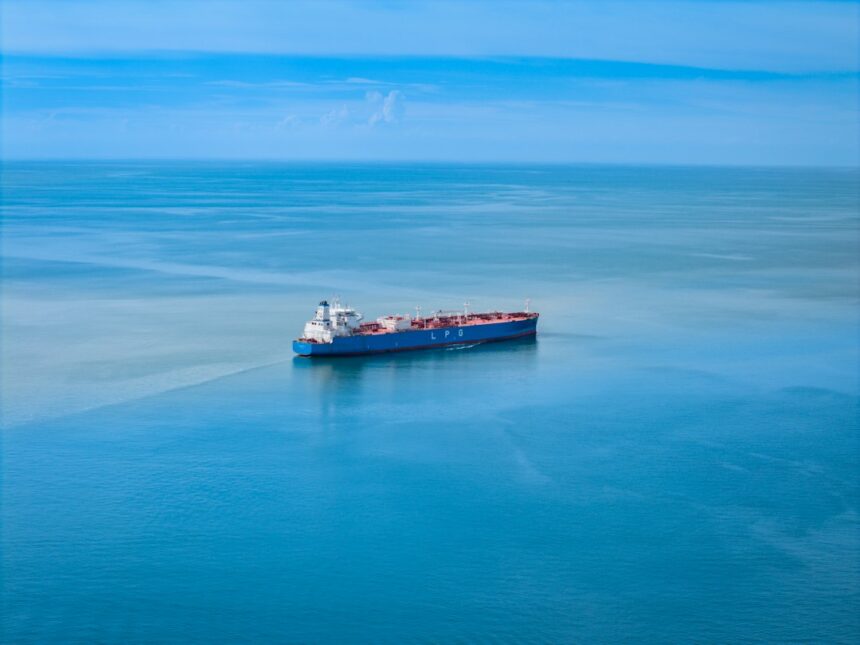
The situation in the Arabian Gulf continues to present challenges for bulk shipping, with recent reports indicating that Fujairah has become the main hub of vessels awaiting transit. As of 28 October, a total of 265 dry bulk vessels were waiting across 29 selected ports in the region, with Fujairah accounting for 74 of these vessels, or 28% of the total.
Current Congestion Levels
The ongoing shipping crisis in the Middle East has resulted in a notable increase in the number of vessels in waiting positions, with congestion levels running approximately 75% higher compared to the same period in 2025. The current average waiting fleet in the region stood at 268 vessels during the first 27 days of October, increasing from 154 vessels in 2025 and 139 in 2024.
Fujairah’s statistics highlight a particular emphasis on Supramax vessels, which make up 50% of its waiting fleet. This trend is reflective of broader market dynamics, as Supramax vessels represent 40% of the total waiting vessels across the identified ports. Such a concentration of Supramax assets in Fujairah indicates possible disruptions for operators as freight capacity aligns with market needs.



Freight Market and Operational Impact
The accumulation of vessels in Fujairah’s waters results in operational challenges for shipping companies. With 65% of the waiting vessels classified as stop calls, the situation underscores significant delays that may alter shipping schedules. The implications of prolonged waiting times are multifold, potentially straining tonnage availability and influencing freight rates in the region.
Additionally, Fujairah’s daily waiting count remained below 40 vessels in the first half of 2026 but surged dramatically in July and August. Although recent data shows a moderation in the number of waiting vessels to 74 as of 28 October, this figure remains elevated compared to earlier demands.
Market Considerations Going Forward
Freight market dynamics are also experiencing shifts, as shown by the performance of various vessel segments. The BDI, which gauges shipping market performance, fell by over 400 points in October, although a slight recovery occurred subsequently. This fluctuation underscores the ongoing volatility in the freight market, which is likely to be exacerbated by the current congestion and waiting times observed in Fujairah.
Behind the Headline
The high number of vessels waiting in Fujairah, particularly Supramaxes, poses significant challenges for shipping operators and the broader market. Extended waiting periods can disrupt supply chains and lead to increased operational costs, as freight rates may adjust in response to vessel availability. As logistics continue to be impacted, operators should prepare for potential fluctuations in service reliability and costs, while monitoring the evolving situation in the Arabian Gulf closely. The dynamics of this congestion highlight the interconnected nature of global shipping logistics and market responsiveness.