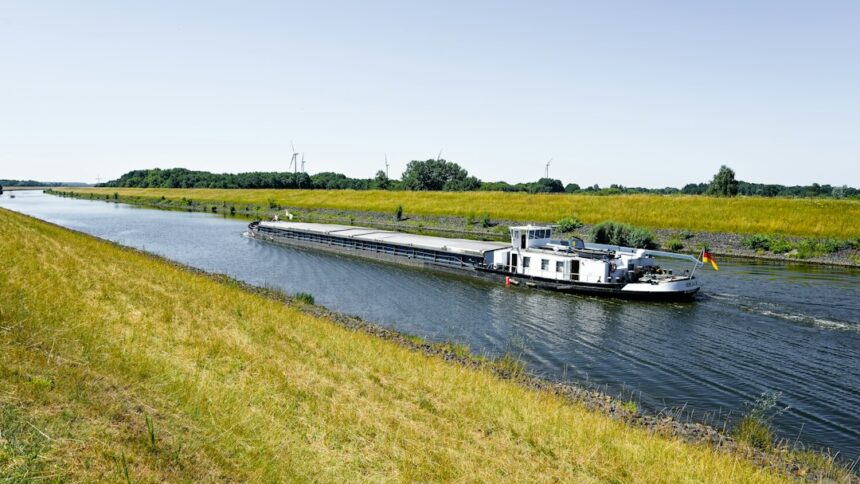
CMA CGM, Nike, and Gemadept have launched a groundbreaking electric barge in Vietnam, marking a significant advancement in reducing the carbon footprint associated with inland transportation. This 100% electric barge will operate on a crucial 180-kilometer route connecting Nike’s inland drop-off location in Ho Chi Minh City to Gemalink, Gemadept’s deep-sea terminal in Cai Mep.
Designed to transport more than 50,000 TEUs annually, this innovative vessel is expected to prevent approximately 778 tons of CO₂ emissions each year. The barge is powered by advanced battery technology from CATL and can be recharged in approximately four hours using certified renewable electricity sourced from a dedicated solar farm at the Gemalink terminal.
Project Overview
This initiative integrates an electric barge, specialized charging infrastructure, and renewable energy production, illustrating the potential of inland waterways to provide sustainable alternatives for cargo transportation. The project exemplifies the collaboration between CMA CGM, Nike, and Gemadept in developing environmentally friendly logistics solutions that enhance supply chain performance.

Industry Implications
The introduction of this fully electric barge is a critical step in CMA CGM’s ongoing commitment to decarbonization in transportation and logistics. Christine Cabau, Executive Vice President of Assets and Operations at CMA CGM, highlighted that moving from ambition to scalable solutions is imperative in reducing emissions across global supply chains. The project signifies a model that could be replicated in other regions and adapted for various customer supply chains, thus supporting the maritime industry’s broader transition toward sustainable practices.
Cimarron Nix, Chief Sustainability Officer at Nike, emphasized that collective efforts and innovative partnerships are essential for reducing emissions within global supply chains. This project is a testament to how collaboration between shipping companies, customers, and terminal operators can yield practical solutions to minimize environmental impacts while enhancing supply chain resilience.
Future Prospects
Do Cong Khanh, Deputy CEO of Gemadept Corporation and Chairman of Gemalink, asserted that the future of sustainable logistics hinges on strengthened connections among ports, inland waterways, and clean energy resources. The deployment of this electric barge underscores the commitment of all stakeholders to enhance the sustainability of the logistics sector in Vietnam.
Why It Matters
The launch of the electric barge introduces a paradigm shift in logistics and transportation within Vietnam, demonstrating that scalable, sustainable solutions are feasible. The integration of low-emission transport with renewable energy highlights a growing trend in the industry towards environmentally-friendly practices. For operators, crews, and charterers, this development not only positions them ahead of regulatory pressures surrounding carbon emissions but also offers a competitive edge in increasingly sustainability-focused markets. Future monitoring of this initiative’s implementation and its impact on both the environment and operational efficiencies will be critical for adoption in other regions.