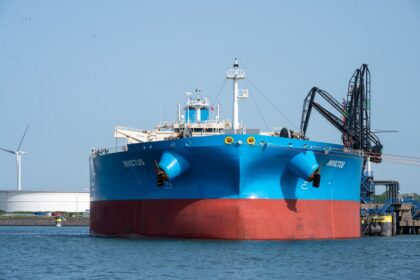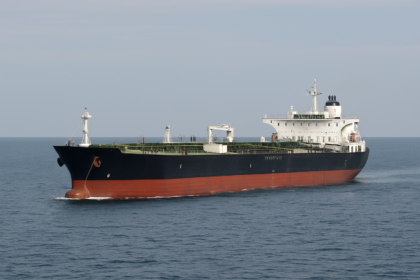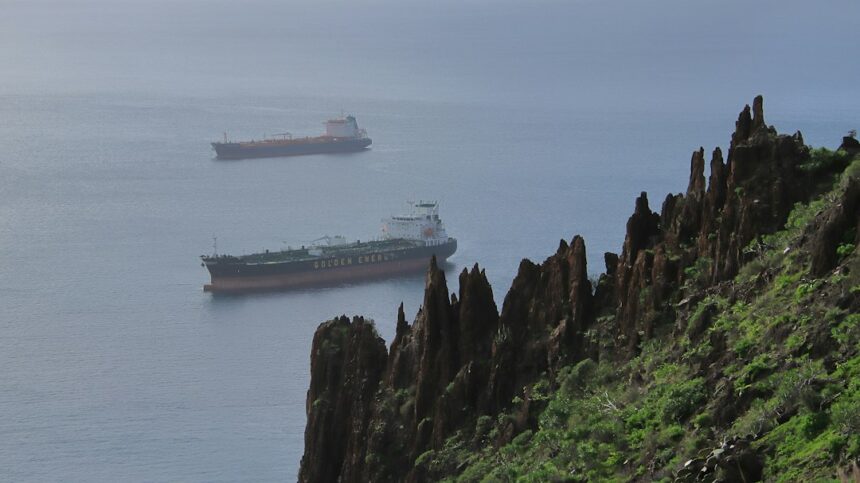
On October 23, a tanker was confirmed disabled after being struck by an unknown projectile while navigating outbound through the Strait of Hormuz. The UK Maritime Trade Operations (UKMTO) reported the incident, which occurred at 0839 UTC. Fortunately, all crew members were reported safe, though specifics regarding the damage and potential environmental impacts remain undisclosed. The disclosure of this incident comes three days after it occurred, indicating ongoing delays in reporting maritime attacks in this critical shipping route.
In a separate incident, UKMTO issued a warning on Monday about a vessel reported on fire approximately 63 nautical miles southeast of Al-Faw, Iraq, in the northern Persian Gulf. This situation has been classified as suspicious activity; however, the identity of the burning vessel, the status of its crew, and the cause of the fire are still under investigation.
Escalating Threats in Maritime Security
The recent surge in incidents highlights increasing dangers in and around the Strait of Hormuz, a pivotal chokepoint for global oil supply. The Joint Maritime Information Center (JMIC) reported that the threat level for the Strait is assessed as SEVERE, with further deliberate attacks being likely. Since October 7, five attacks have been recorded within the Persian Gulf, targeting both anchorage areas and ship-to-ship transfers. Notably, 156 maritime security incidents have been confirmed in the region since March 1, intensifying concerns for shipping operators.

These incidents coincide with heightened Iranian Revolutionary Guard Corps activities, including attacks and surveillance directed at commercial vessels. Previous incidents, such as an LPG tanker struck by a projectile on October 22, further contribute to the atmosphere of uncertainty for operators in the region. The continuous threat of violence enhances the already delicate security environment for vessels transiting through this critical corridor.
Impact on Commercial Shipping
Despite U.S. efforts to stabilize shipping traffic via the Strait of Hormuz, commercial activity remains significantly below historical norms. The JMIC reported just 101 U.S.-facilitated vessel transits between October 22 and 24, markedly lower than the 138 average transits per day recorded in 2025. These figures highlight the complexity of the region’s traffic dynamics, with congestion remaining severe. As of October 25, approximately 492 vessels were reported waiting outside the Strait, indicating operational inefficiencies and heightened navigational risks in a region challenged by security threats.
The Operational Read
The operational implications of recent attacks in the Strait of Hormuz and Persian Gulf are significant for shipping operators and charterers. The increase in hostile activity necessitates heightened vigilance and risk assessment for vessels operating in the region. Companies may need to consider rerouting strategies and security protocols in light of recent incidents, particularly for vessels engaged in vulnerable activities such as cargo transfers and anchorage. Going forward, monitoring the patterns of Iranian naval activity and potential military engagement will be critical in maintaining maritime safety and operational efficiency in one of the world’s busiest maritime corridors.