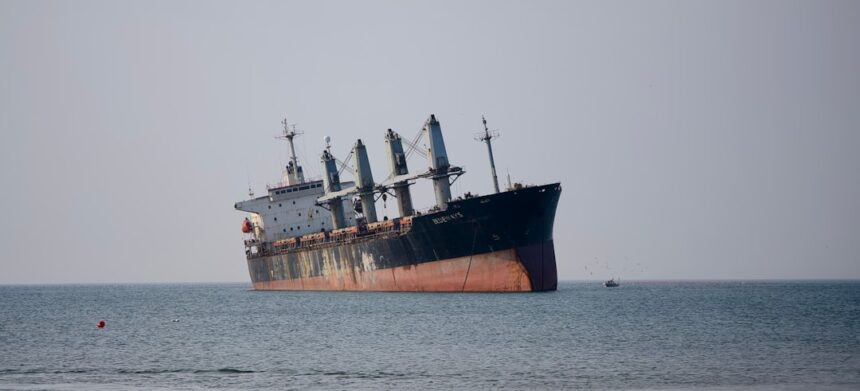
On July 19, 2024, a tragic collision in the Houston Ship Channel involving the bulk carrier Yangze 7 and the towing vessel Miss Peggy resulted in significant loss of life and severe operational implications for marine safety. The U.S. Coast Guard was alerted to the incident near Lynchburg, Texas, where the Miss Peggy capsized and subsequently sank, leading to the fatality of one crew member and serious injuries to another.
The Incident
The recently released National Transportation Safety Board (NTSB) investigation reveals that the Houston ship pilot aboard the Yangze 7 was engaged in an extended personal cell phone conversation lasting 39 minutes, just prior to the collision. Although the call concluded two minutes before impact, it was determined that this distraction severely impaired the pilot’s situational awareness, rendering him unaware of the Miss Peggy‘s presence ahead. Four crew members from the Miss Peggy were rescued by an adjacent vessel, but one crewmember was found deceased in the wreck. Additionally, the collision resulted in the release of an undetermined quantity of oil into the waterway.
Initial assessments quantify the damage and cleanup costs at an estimated $3.7 million, while the Yangze 7 reported no damage. Investigators noted that the pilot’s bridge team failed to adequately mitigate risks posed by the pilot’s distracted state and did not take necessary actions to maintain proper lookout.


Investigation Findings
The NTSB investigation highlighted a critical deficiency in operational protocols regarding personal electronic devices. At the time of the incident, there was no policy within the Houston Pilots organization prohibiting the non-operational use of personal devices during navigation. The absence of such a policy was noted to potentially have normalized risky behavior that poses a danger to vessel operations.
Furthermore, the investigation found parallels to a troubling trend in distraction-related maritime accidents. Between 2009 and 2024, personal electronic device distraction was cited among the causes of at least ten marine accidents, resulting in three fatalities and a total of 45 injuries. The concurrent findings illustrate a systemic issue within the maritime industry concerning situational awareness and bridge resource management (BRM).
Recommendations and Future Steps
In response to its findings, the NTSB has issued recommendations urging the U.S. Coast Guard to implement policies that prohibit the non-operational use of personal devices for anyone directing vessel movements. Moreover, it calls for the American Pilots’ Association to establish guiding principles that discourage such practices among pilots. There is a growing consensus that improved management of digital distractions will be essential for enhancing the safety and operational effectiveness of maritime navigation.
The Operational Read
The findings from this incident call attention to the imperative need for enhanced oversight regarding bridge management practices. Operators and regulatory bodies must rigorously assess devices and protocols that influence pilot attentiveness and situational awareness. Safety trainings must incorporate broader operational awareness concepts to mitigate the risks of personal distractions. As ship operators and pilot associations contemplate changes, adherence to improved guidelines will be vital to address the safety concerns and prevent future tragedies in navigational environments.