Update 02 Sep 2026, 18:33 UTC:
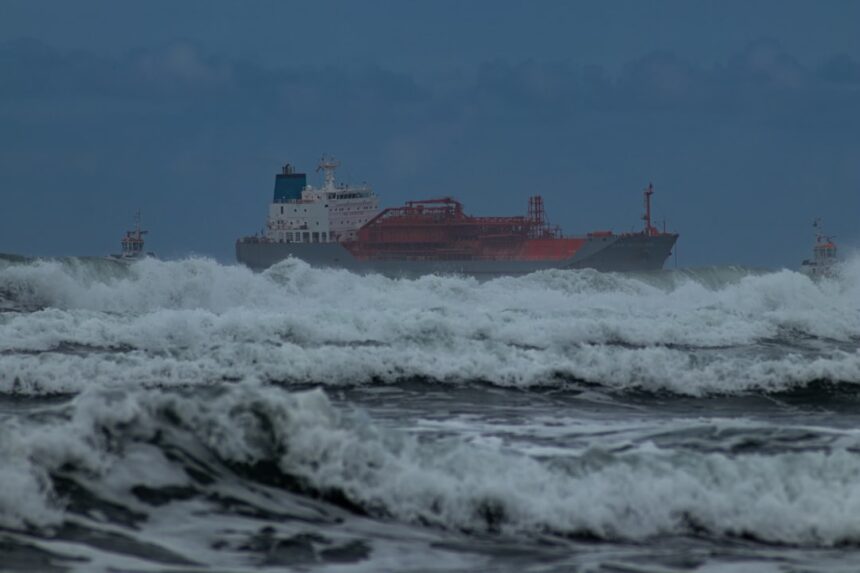
In a tragic escalation of maritime violence, two Filipino seafarers aboard the Saudi-owned very large crude carrier (VLCC) Sidr have been killed in an attack in the Strait of Hormuz. The incident occurred late Monday night, with Saudi Arabia’s foreign ministry confirming their deaths on September 2. UK Maritime Trade Operations (UKMTO) reported that it received a delayed update regarding the incident involving the Sidr, which has become a focal point amid escalating tensions in the region.
The Attack Details
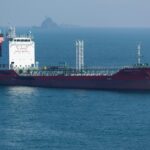
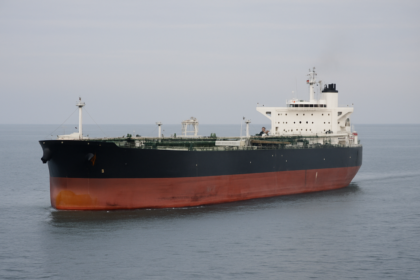
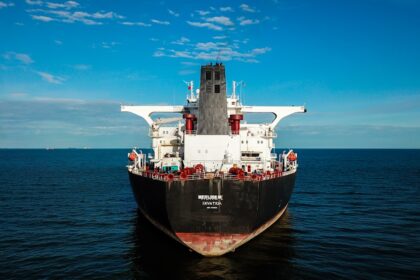
According to reports, the Sidr was one of two supertankers identified as being struck while transiting through one of the world’s most crucial maritime chokepoints. Bahri, the Saudi national shipping company that operates the Sidr, stated that it is maintaining communication with the vessel and coordinating with relevant authorities and maritime stakeholders. While UKMTO is investigating the circumstances surrounding the attack, it has not confirmed any environmental impact stemming from the incident.


Escalating Human Toll
The fatal incident contributes to an alarming trend in the region, where at least 18 seafarers have been confirmed dead since attacks on commercial shipping intensified earlier this year. The situation has raised significant concerns regarding the safety of civilian crews. This includes a recent attack on the Liberia-flagged bulk carrier Minoan Dignity, where one crew member was killed after the vessel was struck on August 17.
Shipping organizations such as BIMCO, the International Chamber of Shipping, INTERCARGO, and INTERTANKO have called for immediate action to protect civilian maritime operations. Their joint statement emphasizes that seafarers should not be considered collateral damage in conflicts. This stance underscores the urgent need for improved maritime security protocols as tensions persist.
Behind the Headline
The recurrent violence affecting maritime operations in the Strait of Hormuz highlights a critical intersection of geopolitical tensions and commercial shipping. For operators, the risks to crew safety have escalated, prompting a reassessment of security measures and protocols in high-risk areas. The ongoing discourse among industry stakeholders to address these threats will be essential for ensuring the protection of civilian maritime workers and the unimpeded flow of global energy supplies.