As geopolitical tensions escalate across several maritime conflict zones, shipping operators are facing significant increases in war-risk insurance premiums and complex legal requirements. According to Neil Roberts, head of marine and aviation at the Lloyd’s Market Association, insurers are responding to a surge in attacks linked to military conflicts, with vital shipping routes becoming increasingly perilous.
The Evolving Insurance Landscape
The Joint War Committee of the Lloyd’s Market Association has broadened the scope of designated high-risk zones, now including the Black Sea, Red Sea, Persian Gulf, and Arabian Sea. This expansion responds to a notable rise in incidents affecting commercial ships, particularly amid tensions between Iran and the U.S., the Houthi-Saudi conflict, and the ongoing Russia-Ukraine war. Roberts emphasized that recent data indicates an increasing number of attacks occurring outside previously established risk areas, prompting adjustments to marine insurance policies that could impact comprehensive coverage.
Impact of Increased Insurance Costs
With these developments, marine insurers are imposing additional war-risk premiums, driving up operational costs for shipping companies. For example, the average additional war-risk premium (AWRP) for crude oil shipments from the Black Sea escalated from $2 per barrel to $3.7 in late July, reflecting the highest rates observed in years before slightly decreasing to $2.9 per barrel at the end of September.

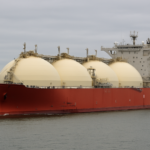
This financial burden has repercussions for energy and commodity prices, as the overall costs of shipping rise. Roberts remarked that shipowners and charterers must proactively communicate with their insurance providers when planning voyages through these newly categorized high-risk areas to ensure coverage.
Market Challenges and Sanction Complications
The ramifications of increasing sanctions on maritime operations have further complicated the landscape. As of the end of August, Western governments had sanctioned 1,226 oil tankers and LPG carriers, primarily due to affiliations with Iranian or Russian entities. These vessels frequently traverse high-risk zones, complicating casualty responses and increasing operational hazards.
Roberts noted that the operational risks are further exacerbated by a significant drop in no-claim bonuses, traditionally awarded for periods of peace. The ongoing conflicts have severely hindered the industry’s profitability, with the International Union of Marine Insurance predicting losses nearing $2 billion for insurers operating in the Middle East.
The Operational Read
This shifting maritime insurance landscape presents serious implications for shipping operations. With increasing war-risk premiums, operators must navigate heightened operational costs while also ensuring compliance with evolving insurance requirements. The trend of escalating attacks indicates that risk mitigation strategies will need to be reassessed continually, calling for enhanced situational awareness and proactive engagement with insurers. Moving forward, operators should closely monitor geopolitical developments and review insurance coverage terms to ensure adherence to new market realities.