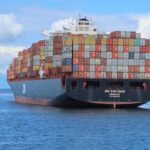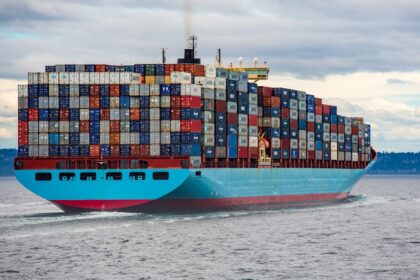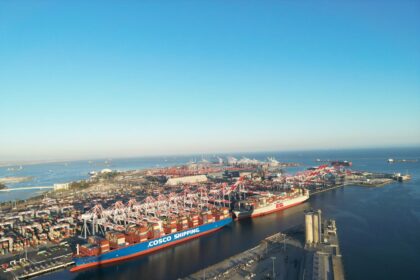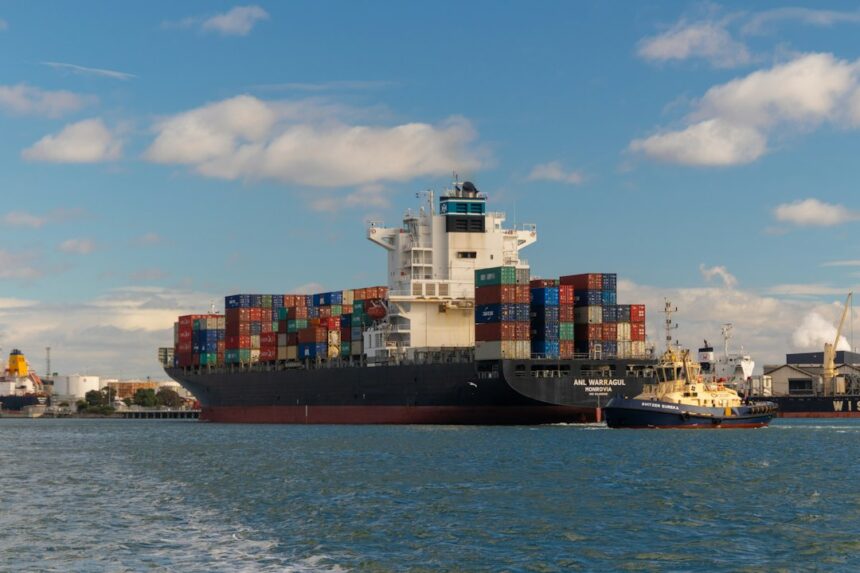
Three senior House Republicans are calling on the Department of Homeland Security to revoke the special port inspection privileges granted to vessels operated by the Chinese state-owned shipping company COSCO. This move follows allegations that these ships have been implicated in intelligence-gathering activities near U.S. coastlines.
The Allegations
In an October 14 letter directed to Homeland Security Secretary Markwayne Mullin, House Select Committee on China Chairman John Moolenaar, House Intelligence Committee Chairman Rick Crawford, and Homeland Security Subcommittee on Transportation and Maritime Security Chairman Carlos Gimenez highlighted concerns regarding COSCO’s operations. They urged for the removal of COSCO vessels from the U.S. Coast Guard’s Qualship 21 program, designed to reward foreign-flagged vessels that demonstrate strong safety and compliance records.
At least 10 COSCO vessels, including the COSCO DEVELOPMENT, COSCO PRIDE, and COSCO VIETNAM, were reportedly enrolled in the program as of July 15. The Pentagon has classified COSCO as a military entity, exacerbating concerns about the potential use of its vessels for espionage.


Government Actions and Insight
The lawmakers’ call for action follows a September 1 report by Reuters stating that COSCO ships may have been equipped with concealed technology meant to intercept military communications along U.S. coastlines and potentially elsewhere. These operations are alleged to stem from a longstanding partnership between COSCO and the Chinese government, which purportedly facilitates the collection of communications signals from maritime and aerial vehicles throughout North America, Europe, and Asia.
In defense, COSCO has denied these claims, asserting that any onboard equipment facilitates navigation, communication, and emergency response, and is not intended for intelligence activities. The Chinese embassy in Washington has also categorically rejected these accusations.
The pressure on DHS escalates as lawmakers emphasize the need for heightened scrutiny surrounding COSCO’s operations, signifying a pivotal moment for U.S. maritime security and regulatory practices. The letter explicitly questions the Coast Guard regarding its awareness of any prior warnings related to COSCO’s alleged surveillance activities.
Domestic Implications
In response to the lawmakers’ inquiries, a Coast Guard spokesperson indicated that a review of COSCO’s participation in the Qualship 21 program has been initiated, as directed by the Commandant on October 15. The Coast Guard emphasized its role in safeguarding U.S. ports and waterways, affirming that it takes significant actions to mitigate security and safety risks inherent to maritime operations.
Behind the Headline
The allegations surrounding COSCO spotlight essential operational issues for the oversight of foreign-flagged vessels in U.S. waters. The Qualship 21 program, a mechanism intended to streamline inspections for vessels with proven compliance histories, now faces scrutiny as national security interests take precedence. Increased vigilance may lead to reevaluation processes for many vessels, not just COSCO’s, reflecting broader geopolitical dynamics. Stakeholders, including vessel operators and charterers, must remain cognizant of how these developments could affect shipping protocols and compliance requirements moving forward.