Update 09 Oct 2026, 12:33 UTC:
The geopolitical standoff between the United States and Iran continues to exert significant pressure on one of the world’s most vital maritime routes, the Strait of Hormuz. This narrow channel, which plays an essential role in global energy trade, has seen escalating military actions and economic sanctions affecting shipping activities.
The Importance of the Strait
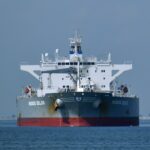
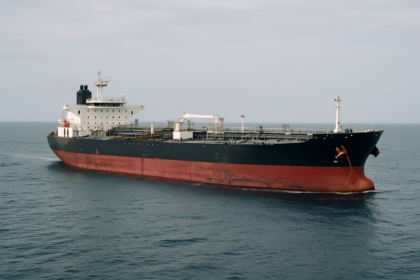
Before the onset of armed conflict, approximately 20 million barrels of oil and oil products traversed the Strait of Hormuz daily, accounting for about a quarter of the global seaborne oil trade. Notably, around 80% of this oil was destined for Asian markets. Additionally, the strait is crucial for about 19% of global LNG trade, primarily sourced from Qatar and the UAE. The recent disruptions caused by the conflict have rendered the Strait of Hormuz a highly sensitive link in the global economy, as operations have been significantly hampered.

Current Military and Economic Strategies
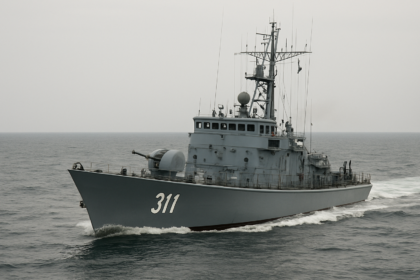
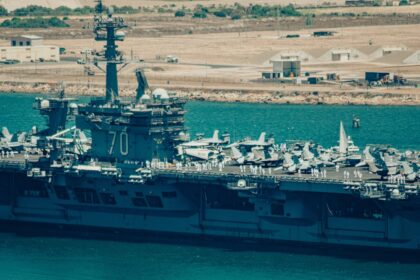
To assert dominance in the region, the US has utilized its naval superiority, employing military escorts and establishing blockades. The White House reported that nearly 1,500 commercial vessels have passed through under US protection since operations were expanded on August 28. This has generated claims of military advantage, as the US continues to present itself as the guardian of international shipping lanes.
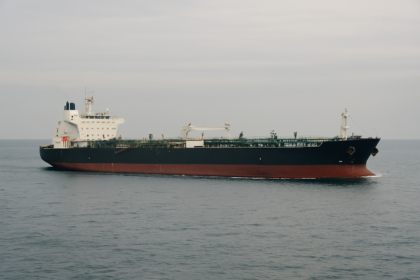
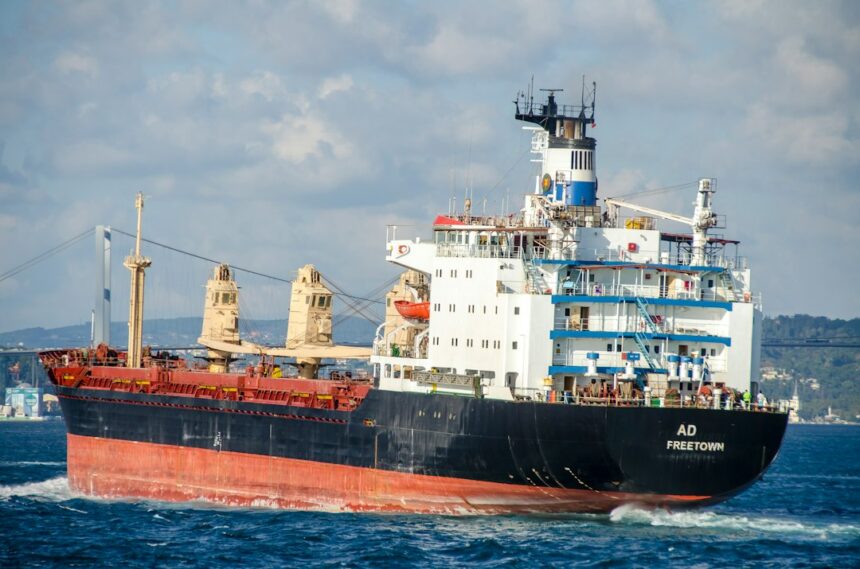
Conversely, Iran has implemented a strategy of restricting access to the Strait of Hormuz for vessels it deems non-compliant with its transit regulations, with reports indicating that at least 56 vessels, including oil tankers and LNG carriers, are on its banned list. This has led to a hesitation from energy operators and importers regarding vessels connected to Iran.
Diplomatic Implications
Despite the apparent military standoff, both the US and Iran find themselves in a paradox where coercive measures create pressures conducive to diplomacy. Economic sanctions imposed by the US are having a detrimental effect on the Iranian economy, significantly impacting its foreign exchange earnings and oil export capabilities. Reports indicate that Iranian analysts acknowledge increasing pressure on domestic prices and imports. This economic stress serves as an impetus for Iran to consider renewed diplomatic negotiations.
The Operational Read
For maritime operators, the situation in the Strait of Hormuz highlights the critical balance between maintaining operational efficiency and navigating geopolitical risk. The high stakes in oil and gas transportation necessitate strategic adjustments, particularly in vessel selection and routing. With Iran’s expanded ban list impacting global LNG and oil shipping, charterers may explore alternative transit routes or reevaluate partnerships with flagged vessels. Furthermore, the reduced traffic through the strait poses challenges for global supply chains, increasing the importance of establishing reliable shipping frameworks amid evolving military postures. As negotiations unfold, stakeholders must closely monitor operational trends and regulatory shifts that could impact shipping activities in this vital maritime corridor.