On [recent date], Iranian-backed Houthi militants claimed responsibility for a series of missile and drone strikes targeting military and civilian facilities within Saudi Arabia, signaling an alarming increase in tensions in the region. The Houthis announced attacks on King Khalid International Airport, Abha airport, and military bases in Khamis Mushait, raising concerns about potential implications for global energy markets.
Escalating Hostilities
In a social media communication, the Houthi military spokesperson indicated that these operations aimed to disrupt Saudi Arabia’s military capabilities as part of an ongoing conflict that has expanded its borders. While the legitimacy of these claims remains unverified, Saudi-led coalition forces reported intercepting a ballistic missile north of Riyadh, suggesting that defenses are being actively engaged.
Impact on Shipping and Energy Markets
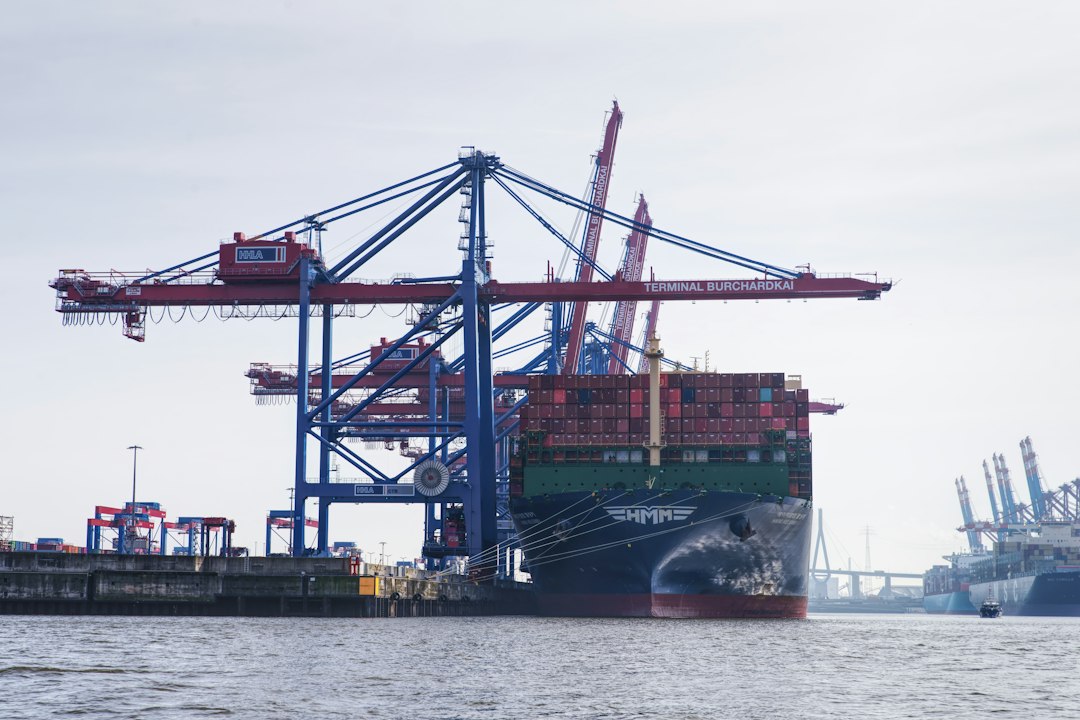
The reported increase in Houthi attacks translates into heightened risks for Saudi oil exports, particularly as the Bab el-Mandeb Strait serves as a vital alternative shipping route. Approximately 12% of global trade passes through this chokepoint, with historical data indicating that one-fifth of the world’s oil and liquefied natural gas traversed the Strait of Hormuz prior to recent hostilities.


Despite improvements in crude flow data from the Gulf, significant hurdles persist with high shipping costs and a continued shortage of refined products, which may ensure sustained pressure on energy prices. Gasoline price spikes have raised concerns among central banks, with the Federal Reserve potentially considering numerous interest rate hikes to combat inflation in light of escalating energy costs as U.S. voters approach midterm elections.
The Operational Read
This escalation in hostilities complicates operational planning for shipping entities navigating key maritime routes in the Middle East. Operators must remain vigilant as the situation is dynamic, with the potential for further disruptions to shipping schedules due to military actions or Houthi capabilities. For operators, it is critical to monitor intelligence reports and adjust risk management strategies accordingly to mitigate the financial impacts of any interruptions to supply chains in this strategic region.