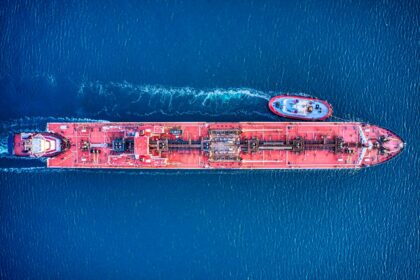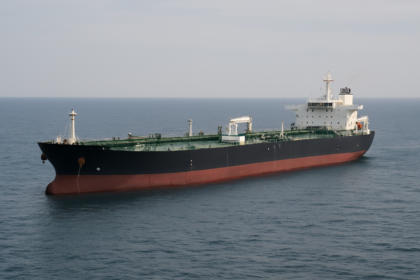
A Greek-flagged LNG carrier, the Maran Gas Mystras, controlled by the Angelicoussis Shipping Group, was struck by an unidentified projectile on Sunday while exiting the Strait of Hormuz. Initial reports indicate that the projectile hit the vessel near the waterline. Smoke was seen coming from the carrier; however, it has remained operational under its own power.
Maran Gas Maritime confirmed that both the vessel and its crew are safe, and no operational damage or pollution has been reported. As of Monday morning, the incident had not yet been recorded on the International Maritime Organisation’s (IMO) list of confirmed incidents in the region, which was last updated on October 5.
The Escalating Security Climate
This incident follows closely on the heels of an attack on another Greek-managed vessel, the Lipsi, also struck by a projectile on October 4, which significantly damaged its engine room, leaving it adrift. These attacks signify a marked escalation in security issues around the Strait of Hormuz, historically one of the world’s busiest maritime chokepoints for energy shipments.

Reports from maritime intelligence firm Marisks noted that three Liberian-flagged oil tankers were similarly targeted in the strait on September 29, further evidencing a deteriorating security landscape. Since mid-September, several other vessels have been damaged, and prior incidents have resulted in fatalities and injuries among seafarers.
Market Implications
The renewed assaults on commercial shipping are especially concerning as LNG traffic through the Strait had recently begun to rebound. Data indicated that September saw the highest monthly volume of LNG shipments since the escalation of tensions following the US-Israeli conflict with Iran in February. Organizations such as S&P Global Energy reported 19 LNG shipments, while Kpler recorded a slightly higher number of 21 shipments.
This uptick occurs despite the increasing security threats, as operators appear determined to maintain the flow of LNG through Hormuz, crucial for fulfilling winter demand in Asia. The significance of Hormuz is underscored by the fact that effective alternative shipping routes for Qatari LNG production do not exist. The International Energy Agency’s figures indicate that over 112 billion cubic meters of LNG passed through the Strait in 2025, accounting for approximately 20 percent of global LNG trade.
Conversely, data from the US Energy Information Administration reveals that oil traffic through the Strait of Hormuz has plummeted sharply, from 21.6 million barrels per day in late 2025 to only 4.9 million barrels per day by the second quarter of 2026.
The Operational Read
The recent attacks on vessels in the Strait of Hormuz illustrate the serious risks that maritime operators face in this vital corridor. While the Maran Gas Mystras successfully continued its voyage, the pattern of escalating assaults suggests a broader deterioration in safety and security, compelling operators to reassess their risk profiles and navigational strategies. The inability to establish the origins of these projectiles adds complexity to the security environment, potentially prompting increased vigilance and preventive measures among shipping companies. Operators will need to closely monitor the evolving situation and adapt their routes and operational protocols accordingly, as the potential for future incidents could significantly impact trade efficiencies and supply chain stability in this critical region.