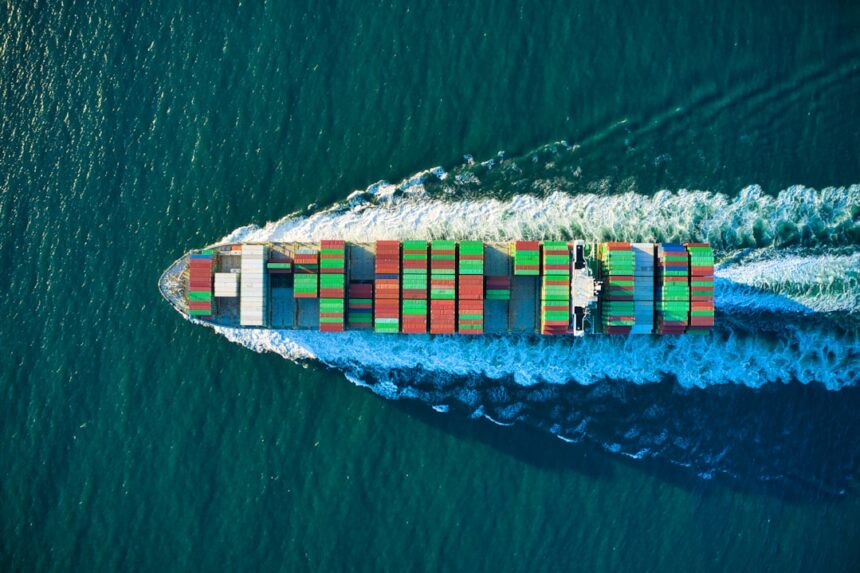
Maersk and Hapag-Lloyd have announced an adjustment to their AE19 and AE15 services, which will now transit through the Suez Canal instead of the Cape of Good Hope. This decision comes after a comprehensive assessment of the security challenges in the Red Sea region. While this adjustment marks a careful step toward reinstating the trans-Suez shipping corridor, it does not represent a full-scale return of the East-West network at this time.
Maersk emphasizes that the safety of personnel, assets, and cargo remains the top priority amid continuously changing conditions. Clients will receive timely updates regarding Suez transit operations as further developments unfold.
Impact of Typhoons on Operations
In East Asia, the typhoon season of 2026 has seen a notably high level of activity, with multiple severe typhoons impacting operations within a two-week period. This intense weather has led to flooding and congestion, significantly affecting vessel operations throughout the region. The consequences of these disruptions are reverberating across the global supply chain, influencing schedules and capacity not just in Asia but extending to Europe as well.

In anticipation of these challenges, Maersk’s teams are focused on providing flexibility in Asia-Europe planning. Stakeholders are encouraged to stay in close contact with representatives to explore solutions for cargo management.
Regulatory Changes and Terminal Challenges
The upcoming closure associated with China’s Golden Week holiday, commencing in the first week of October, will compound the existing logistical pressures. With reduced workforce availability and factory shutdowns characteristic of this period, Maersk is actively balancing its Asia-Europe network to ease disruptions for clients.
Within the European Union, the impending Deforestation Regulation (EUDR) set for implementation on December 30, 2026, will introduce new compliance requirements for traders dealing in specified commodities. Stakeholders are urged to proactively familiarize themselves with updated guidelines to prevent customs clearance delays.
In addition, new customs regulations for EU steel importers will take effect from October 1, 2026, necessitating traceable evidence related to the origins of steel processing. Importers should liaise with suppliers to secure essential documentation and mitigate risks associated with customs delays and potential additional duties.
Moreover, recent industrial actions at German terminals have exacerbated operational strain in Northern Europe, with significant disruption observed in major hubs such as Hamburg, Bremerhaven, and Wilhelmshaven. While Belgian terminals recently faced delays due to a lack of pilot availability, services have since normalized.
Behind the Headline
The operational landscape for shipping lines in the Red Sea and broader Asia-Europe routes is proving increasingly complex as security issues and natural disasters intersect with stringent regulatory frameworks. As companies adjust routes and operations in response to these challenges, the pressure on capacity and schedule reliability will likely remain high. Operators must remain vigilant and adaptable, given the unpredictability of both weather patterns and geopolitical developments. Watch for continued shifts in operational strategies as stakeholders navigate these turbulent conditions.