
China’s recent surge in limestone exports emerges as a significant response to disruptions in Middle Eastern dry bulk trades, attributed to ongoing regional conflicts. According to analysis from Greek broker Ursa, Chinese international limestone shipments have reached 5.49 million tonnes, positioning the country as a key player in the altered supply landscape.
Impact of Regional Conflicts
Disruptions in the Persian Gulf have triggered a ripple effect through the maritime trade network, creating gaps in the supply of essential commodities such as limestone. This situation has inadvertently benefitted China, as exporters leverage the void left by Middle Eastern suppliers. The geopolitical tensions not only affect regional stability but also alter traditional supply routes, prompting exporters and operators to seek alternatives.
Opportunities for Bulk Carriers
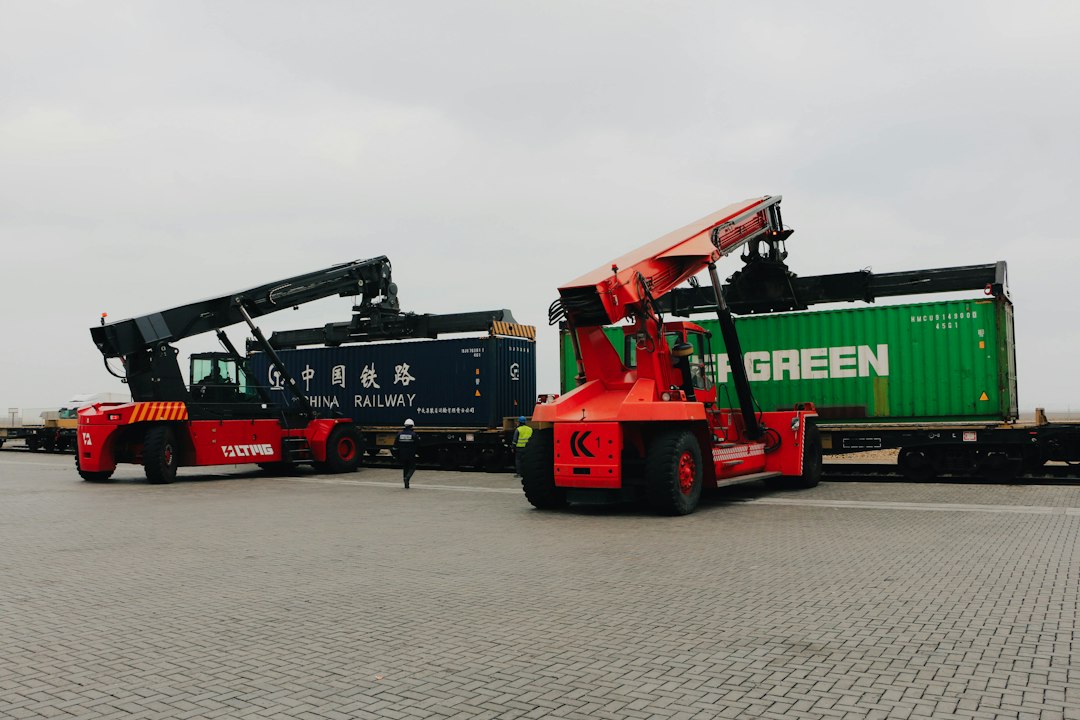
The increase in Chinese limestone exports has provided fresh employment opportunities for geared bulkers, which are well-suited to transport such cargoes. The heightened demand indicates a rebalance in the dry bulk shipping market, with operators potentially benefiting from increased activities in the sector. As logistics networks adapt to these changes, stakeholders are investing in the necessary infrastructure to support a more resilient supply chain.


Market Outlook
Industry analysts highlight that the ongoing instability in the Middle East could induce long-term changes in the global limestone market. While immediate gains for Chinese exporters are evident, supply chain members, including shipowners and charterers, must prepare for ongoing volatility. Monitoring geopolitical developments will be crucial for operators as they navigate this shifting landscape.
Behind the Headline
The current scenario underscores a more complex operational environment for maritime stakeholders. As limestone exports from China ramp up to fill the gaps left by Middle Eastern producers, shipowners must assess the implications for fleet deployment and capacity management. The emerging patterns indicate a potential shift in demand that could lead to reevaluated charter rates and optimization strategies for operators. Ongoing geopolitical risks will necessitate close monitoring to mitigate disruptions and adapt to the evolving supply chain landscape.