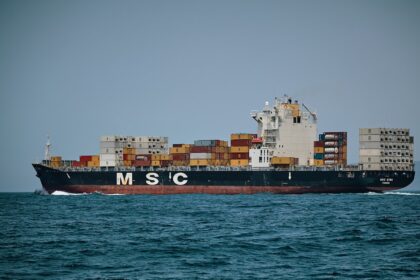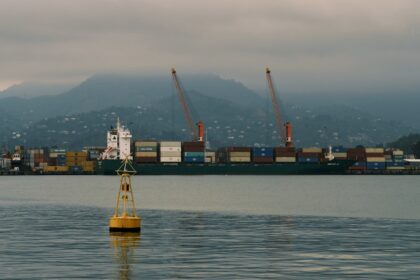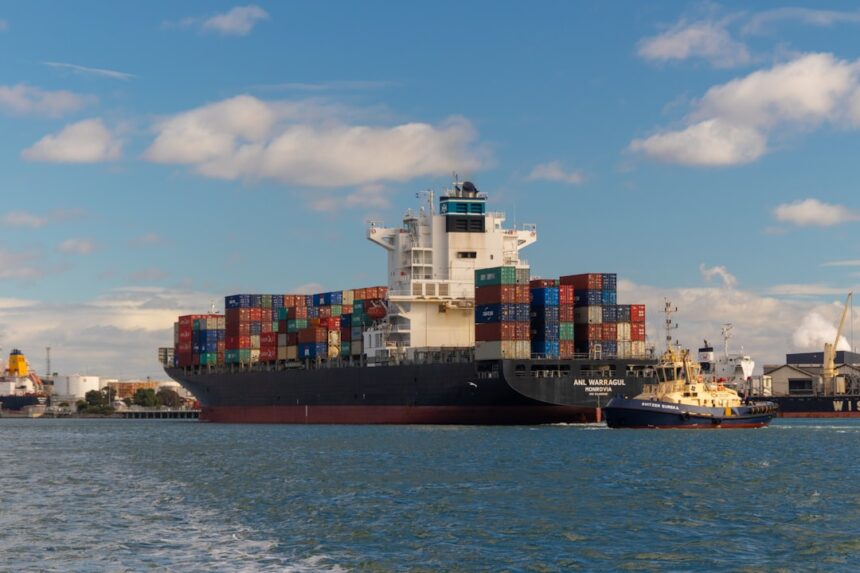
Shipping operations in China are poised for another round of disruptions as Super Typhoon Dolphin approaches, threatening to force port suspensions in early August. The potential impact comes while recovery from Typhoon Bavi is still underway, with several key indicators suggesting a challenging landscape for operators.
Current Situation
Typhoon Dolphin is on a projected path toward a region of Chinese ports that has yet to fully rebound from the effects of Typhoon Bavi, which occurred in mid-July. Reports indicate that anchorage queues for dry bulk vessels remain elevated, and container waiting times, although improving, are not yet back to normal. A closure or significant slowdown at ports may begin around 6 August, with immediate risks including delayed discharge, increased anchorage congestion, and a tighter vessel supply across the Pacific.
Commodity Vulnerability
The imminent threat of Typhoon Dolphin comes as over 66 million tonnes of vital commodities are scheduled for discharge in the following weeks. Key commodities, including iron ore, thermal and coking coal, bauxite, soybeans, and nickel ore, are particularly vulnerable. For instance, 20.4 million tonnes of iron ore is expected in Week 32, which will be followed by another 23.9 million tonnes in Week 33. Should port operations be interrupted, logistical challenges could escalate quickly, exacerbating existing pressures from Bavi’s prior impact.

Market Response and Recommendations
Every vessel segment, including dry bulk, container, tanker, and gas carriers, faces exposure to disruption should ports close for safety reasons during Dolphin’s approach. While operations have gradually resumed following Bavi, existing congestion could result in intensified delays as vessels compete for limited terminal access once ports reopen. Operators are advised to closely monitor the storm’s track, port suspension updates, and vessel activity at Chinese anchorages.
Behind the Headline
The operational landscape along the Pacific is becoming increasingly precarious due to repeated typhoon threats that strain resources and disrupt supply chains. The compounded effects of Typhoon Bavi, along with the impending arrival of Dolphin, highlight the vulnerability of maritime logistics in this region. Operators must be prepared for potential delays highlighted by prior congestion patterns and should remain vigilant regarding weather forecasts and port notifications. Continued monitoring of commodity discharge volumes will be crucial as the situation develops and impacts unfold across different vessel segments.