The Incident
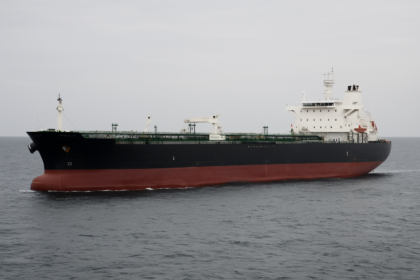
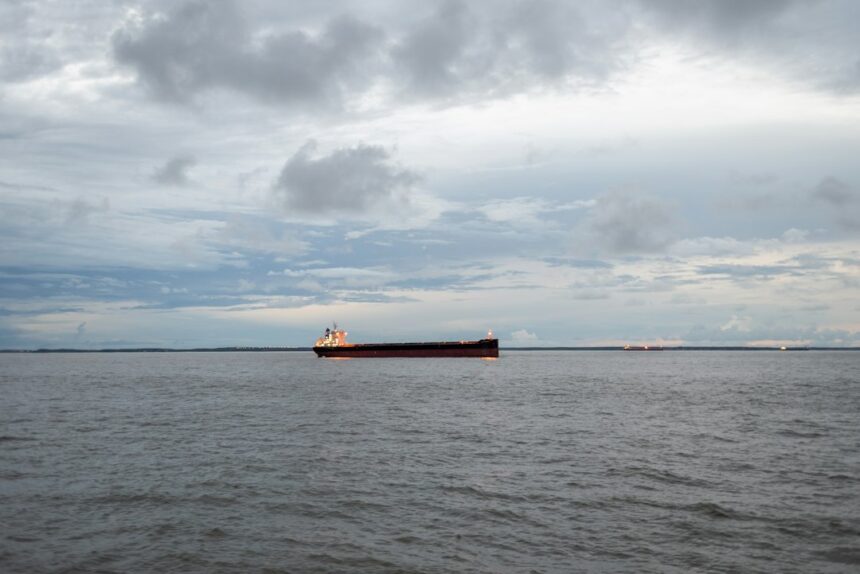
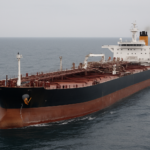
On Wednesday, an Indian seafarer was killed, and another crew member injured when the bulk carrier Cape Dao was struck by an unknown projectile while transiting the Strait of Hormuz around 0630 UTC. The Antigua and Barbuda-flagged vessel caught fire and was subsequently left adrift, prompting the crew to abandon ship. The incident highlights ongoing security threats facing merchant vessels in the region, particularly as diplomatic negotiations occur concurrently.
Context of Tensions
The attack on the Cape Dao comes amidst heightened tensions in the Strait of Hormuz, which have seen a significant increase in incidents targeting commercial shipping. Just days earlier, on September 21, two other vessels, including the Isle of Man-flagged crude tanker LR Stephanie and the LPG tanker Al Maryah, were also attacked, illustrating the deteriorating security environment for shipping in this vital corridor. Preliminary data reported a dramatic decline in merchant traffic, with only two commodity vessels crossing the strait on Monday, a stark comparison to the usual volume of around 125 large vessels daily.
Reactions and Responses
The Indian Embassy in Oman expressed its condolences regarding the fatality, confirming that 19 Indian nationals comprised part of the crew. They are currently in touch with local authorities and the recruitment agency associated with the vessel. The UK Maritime Trade Operations reported that an investigation into the attack is ongoing, with no significant environmental impact attributed to the incident as of yet. The international maritime community is watching closely as escalations in regional hostilities could lead to further disruptions in shipping routes.

The Operational Read
The recent attack on the Cape Dao underscores the urgent need for enhanced maritime security protocols in the Strait of Hormuz. For operators, the incident amplifies the risks associated with transiting the area, potentially leading to increased insurance premiums and war-risk assessments. Furthermore, the documented rise in attacks may compel shipping companies to reroute operations, thereby impacting trade efficiency and costs. Continuous monitoring of diplomatic negotiations is vital, as any escalation in tensions between the U.S. and Iran could further destabilize this critical chokepoint, necessitating a recalibration of risk management strategies for vessel operators.