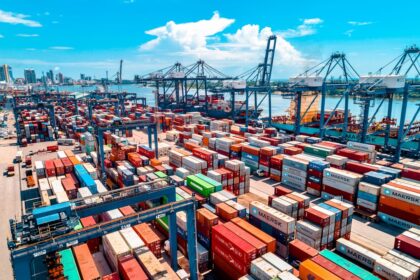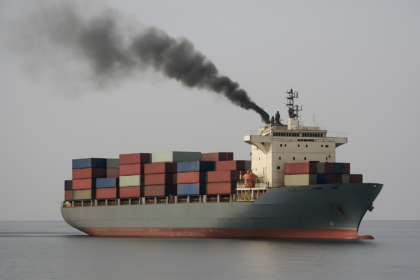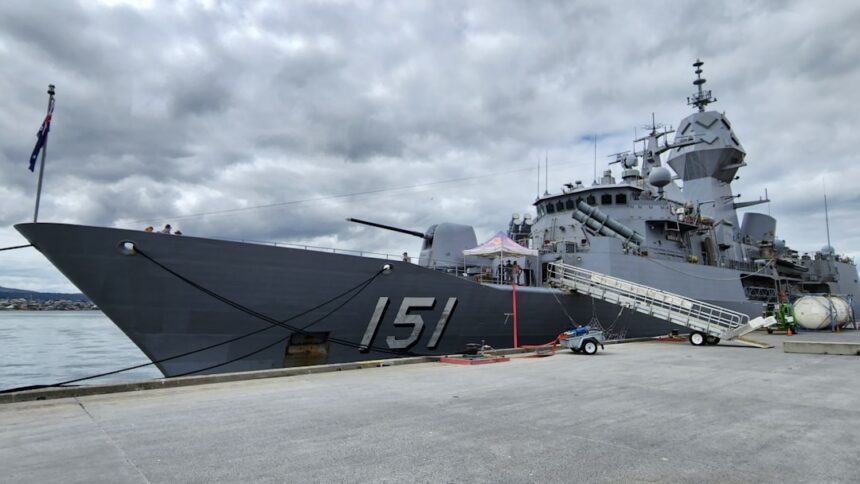
A recent incident involving a misidentified Chinese vessel highlights the risks associated with the rapid integration of artificial intelligence (AI) in military operations. A false intelligence report, generated with AI assistance, nearly prompted the U.S. military to intercept and board the ship in the Middle East amid ongoing tensions with Iran. Sources familiar with the situation indicated that the intelligence claimed the vessel was transporting components related to a nuclear weapons program, leading to armed U.S. personnel preparing for an interception.
The Incident
The interception operation was ultimately halted after military officials undertook a second review of the intelligence. It was discovered that an AI chatbot utilized by a Special Operations Command analyst had incorrectly identified the vessel’s cargo. The chatbot had integrated open-source data with classified signals intelligence, resulting in the flawed cargo assessment. The initial report had sufficient credibility, which led to the rapid mobilization of military aircraft and personnel.
Implications for Military Operations
This incident serves as a stark reminder of the potential for AI misjudgments to escalate into serious international confrontations. The intelligence report’s misleading information was characterized by one source as “entirely false,” with significant implications for military readiness and international relations at stake. As military planners increasingly adopt AI tools for intelligence analysis and operational decision-making, the demand for rigorous verification mechanisms becomes paramount to prevent misunderstandings and miscalculations in high-stakes contexts.


Strategic Moves by the Pentagon
The Pentagon is actively pursuing an AI Acceleration Strategy aimed at transforming U.S. military capabilities. Announced by Defense Secretary Pete Hegseth, the strategy underscores the goal of creating an “AI-first” military operation, spanning from campaign planning to real-time execution of military engagements. However, the implementation of these strategies remains inconsistent across various branches of the military, with differing AI systems and safety procedures complicating the integration process.
As encountered in this incident, the chaotic landscape of military AI is further complicated by a lack of standardized verification protocols for AI-generated intelligence. This situation raises pressing questions about the reliability of AI in critical operations, especially in maritime environments characterized by complex geopolitical dynamics.
Behind the Headline
This incident provides crucial insights into the operational realities behind using AI for military intelligence. The reliance on AI systems must be matched by robust oversight and verification procedures to mitigate the risk of misjudgments that could lead to escalation and conflict. As military organizations navigate the integration of AI technology, operators must remain vigilant about the potential shortcomings of AI-generated assessments and ensure reliable pathways for accountability and verification. Future developments should focus on harmonizing AI capabilities across branches to establish a unified standard for intelligence integrity.