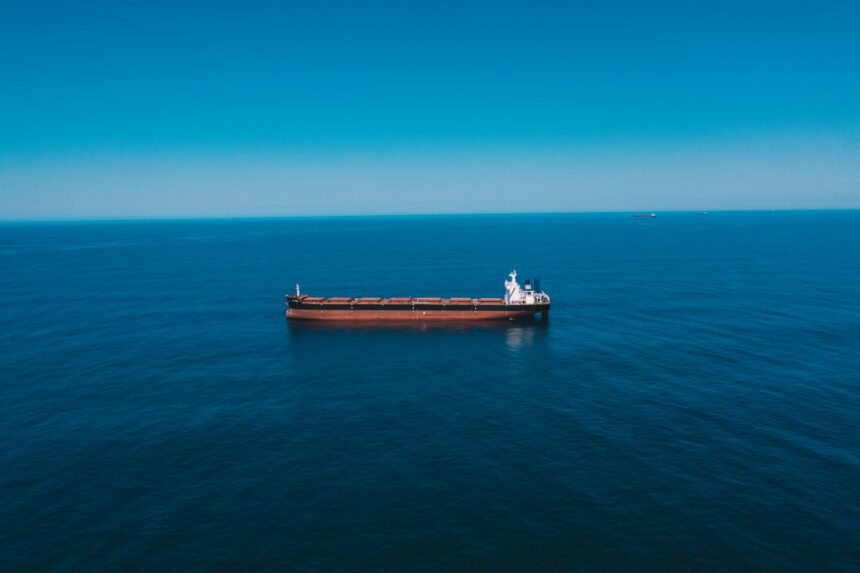
Nippon Yusen Kaisha (NYK) has announced the completion of the world’s first ship-to-ship ammonia bunkering operation, marking a significant milestone in the maritime industry’s journey toward adopting alternative fuels. The groundbreaking event took place on September 17 at Japan Marine United’s Ariake Shipyard, where ammonia was transferred from the ammonia carrier Shoei Maru to a new ammonia-fuelled medium vessel.
The Bunkering Operation
This innovative operation involved the Shoei Maru, a 998 gross tonnage ammonia carrier designed for the safe transportation of ammonia. The transfer process not only demonstrates the feasibility of ammonia as a marine fuel but also sets a precedent in the global shipping industry for ship-to-ship bunkering operations utilizing ammonia.
Implications for Decarbonization
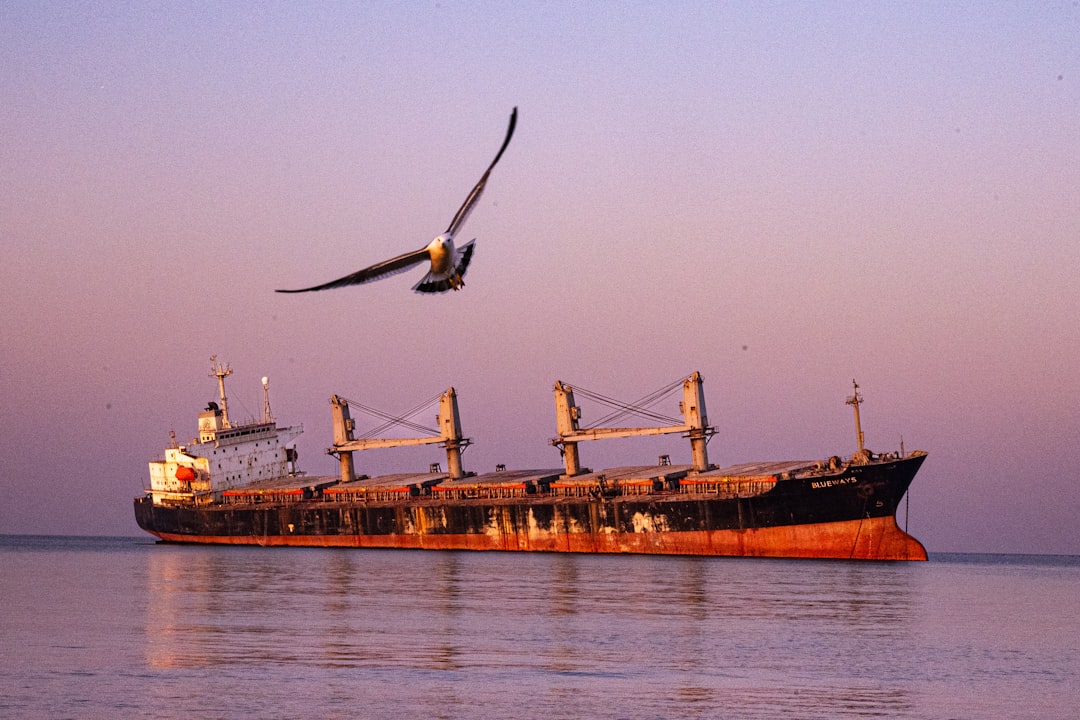
As the maritime sector faces increasing pressure to decarbonize, the successful execution of this ammonia bunkering operation highlights a potential pathway for reducing greenhouse gas emissions in shipping. Ammonia, as a zero-carbon fuel, is gaining attention due to its potential to significantly lower the carbon footprint of maritime operations when utilized effectively.

Industry Response
The involvement of local Japanese partners alongside NYK underscores a collaborative effort to position ammonia as a viable alternative fuel source. This partnership is pivotal as it could lead to further developments in ammonia infrastructure and technologies, supporting the broader adoption of this fuel across the shipping industry.
Behind the Headline
This pioneering ammonia bunkering operation not only represents a technical achievement but also serves as a critical step towards achieving the International Maritime Organization’s (IMO) decarbonization targets. Moving forward, operators will need to evaluate the operational challenges and infrastructure investments necessary for ammonia adoption. Additionally, policy adjustments regarding ammonia handling and storage will likely be necessary to support its widespread integration into maritime fuel supply chains.