Update 28 Oct 2026, 08:33 UTC:
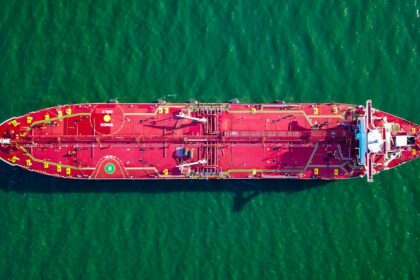
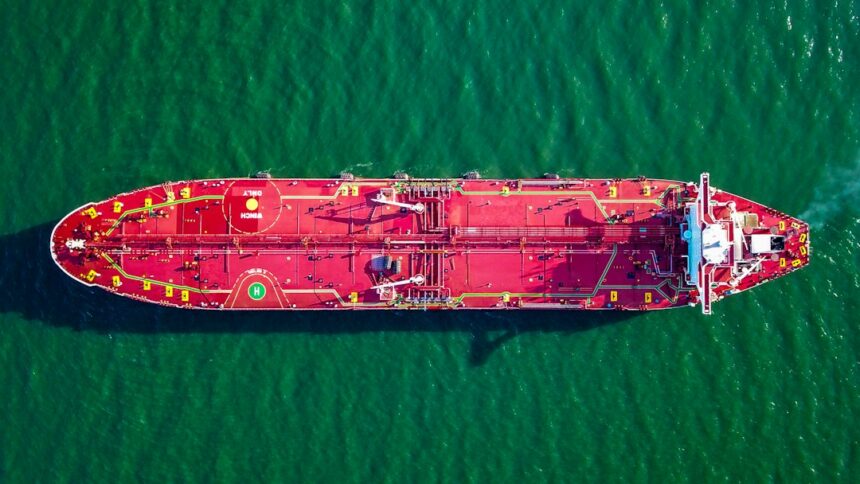
Three Russian tankers loaded with diesel fuel are currently heading toward the United States, following a controversial agreement between U.S. President Donald Trump and Russian President Vladimir Putin. This development has drawn heightened scrutiny, particularly from U.S. lawmakers who argue that the deal violates imposed sanctions on Russia.
Russian Deputy Prime Minister Alexander Novak confirmed that the shipment is underway, indicating that preparations are in place for a fourth vessel to depart shortly. This ongoing series of deliveries poses pertinent questions about compliance with international sanctions and the potential implications for U.S. energy policy.

The Shipments
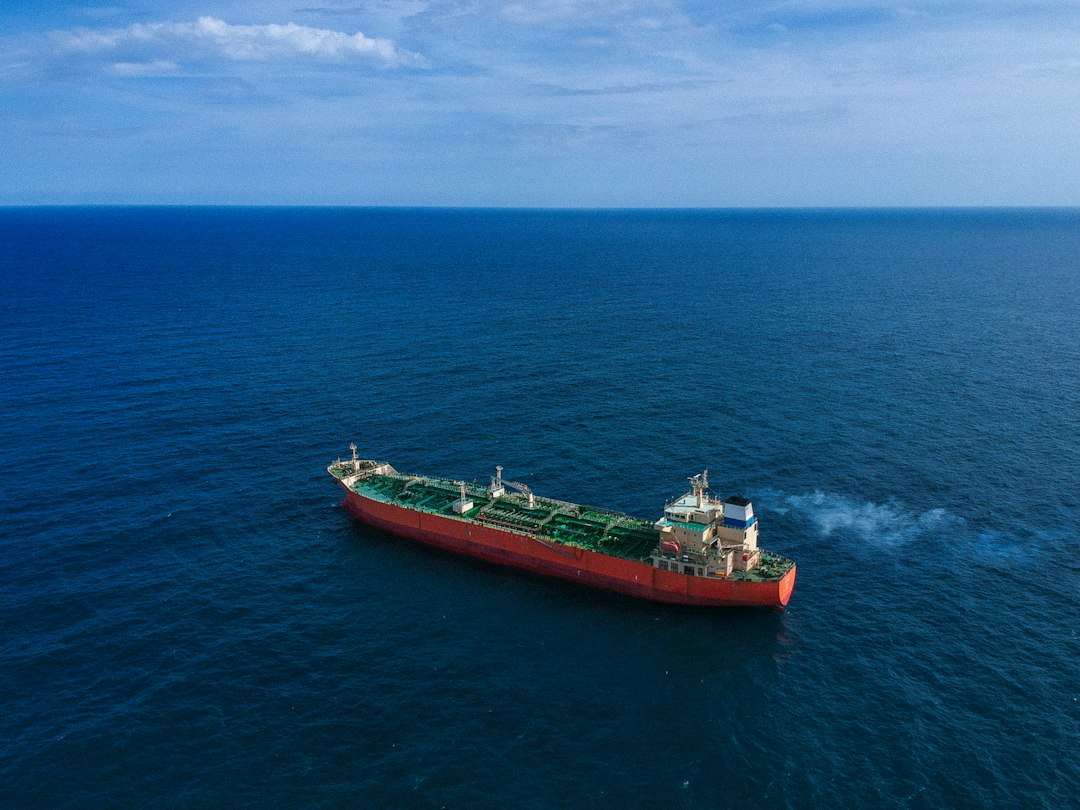
The three tankers, loaded with diesel, signify a notable shift in the dynamics of fuel supply, especially given the currently strained relations between the United States and Russia. Each vessel’s journey is being closely monitored due to the stringent sanctions aimed at curbing Russian energy exports, implemented in response to geopolitical tensions.
Political Implications
The agreement facilitating these shipments has sparked intense debate among U.S. legislators, with many expressing concerns that the arrangement undermines the efforts of sanction enforcement. The opposition highlights that the involvement of Russian energy supplies may complicate the U.S. energy market’s stability and pricing structure.
Future Considerations
As the first deliveries commence, the ramifications could extend beyond immediate economic effects, potentially straining U.S.-Russian relations further. The commercial viability of these shipments may lead to future considerations regarding compliance and the enforcement of sanctions, as the industry grapples with balancing operational needs against regulatory frameworks.
Behind the Headline
The operation of these sanctioned Russian tankers highlights the complexities of international maritime law and the enforcement of sanctions within the shipping industry. For operators, this situation underscores the risks associated with engaging in trade routes that involve sanctioned states, particularly concerning the legal and reputational implications. Observers should monitor the response from U.S. authorities and lawmakers, as well as the impact on oil prices and supply chains amid rising scrutiny over compliance and enforcement actions.