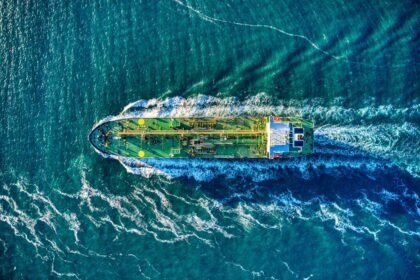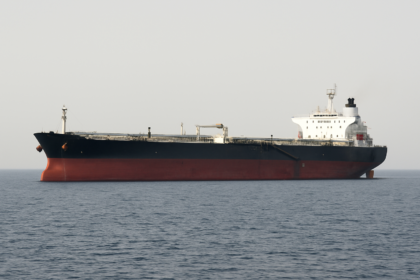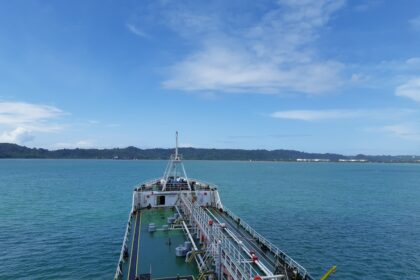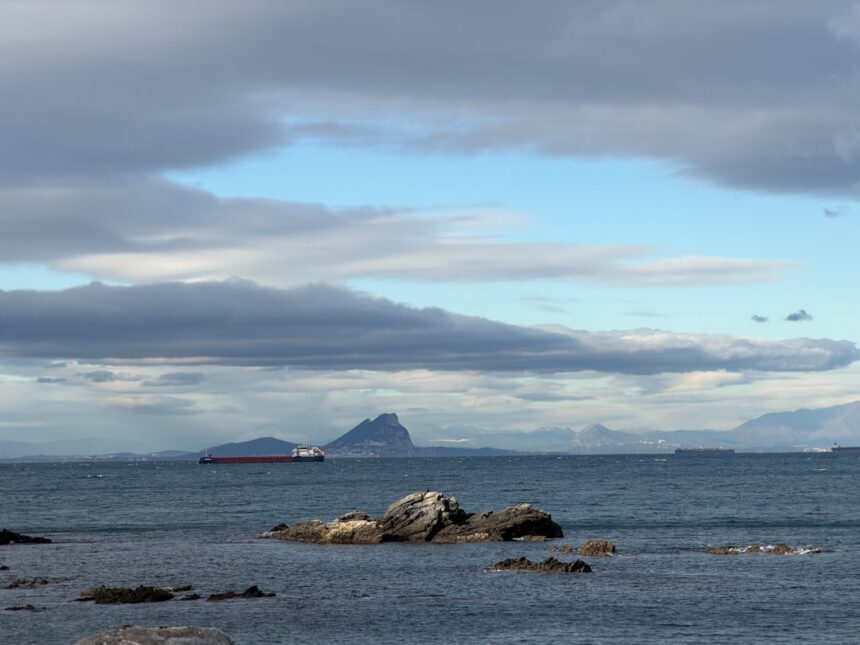
In a significant escalation of maritime tensions, an Iranian commercial vessel was struck off Qeshm Island in the Strait of Hormuz early Sunday, resulting in the death of one crew member and injuries to four others, according to Iranian state media.
The Qeshm governor attributed the incident to a ‘terrorist enemy,’ although the specific identity of the aggressor or the type of projectile used has not been verified. This incident occurred just a day before Iran’s government was scheduled to inform regional allies about its shipping traffic management within the strategically vital waterway.
The Incident
The United Kingdom Maritime Trade Operations (UKMTO) confirmed that a vessel had been hit by a projectile while navigating the strait. Following the strike, a fire erupted on board, prompting local authorities to begin evacuating the crew. Although the details surrounding the attack remain unclear, the Iranian government is maintaining a strong position amidst these tensions.

Geopolitical Context
Tehran’s assertive stance is underscored by a social media message from President Masoud Pezeshkian, who declared that the Iranian people will not be coerced into compliance, reflecting a commitment to maintaining sovereignty over shipping routes. This context is critical as Iran attempts to exert its influence in the region, especially in light of recent developments involving Iranian-backed Houthi rebels, who have increased pressure in alternative maritime routes such as the Bab el-Mandeb Strait.
Market Implications
The current geopolitical landscape is becoming increasingly complex, with operators facing heightened risks when transiting the Strait of Hormuz, a vital facilitator of global oil trade. The potential for future incidents could drive up insurance premiums and war-risk coverage, further complicating maritime logistics in this area. The market’s focus will inevitably pivot towards assessing the implications for oil supply stability and the impact on regional trade routes.
The Operational Read
This incident highlights the precarious nature of maritime operations in sensitive areas like the Strait of Hormuz, where geopolitical tensions can escalate rapidly. Operators must navigate not only the physical navigation hazards but also the increased risk from hostile actions which can lead to severe repercussions, including loss of life and significant operational disruptions. Keeping abreast of developments and adjusting routes accordingly will be critical for shipping companies in the region. Attention should be focused on forthcoming dialogues among regional states and any responses from international maritime security stakeholders.