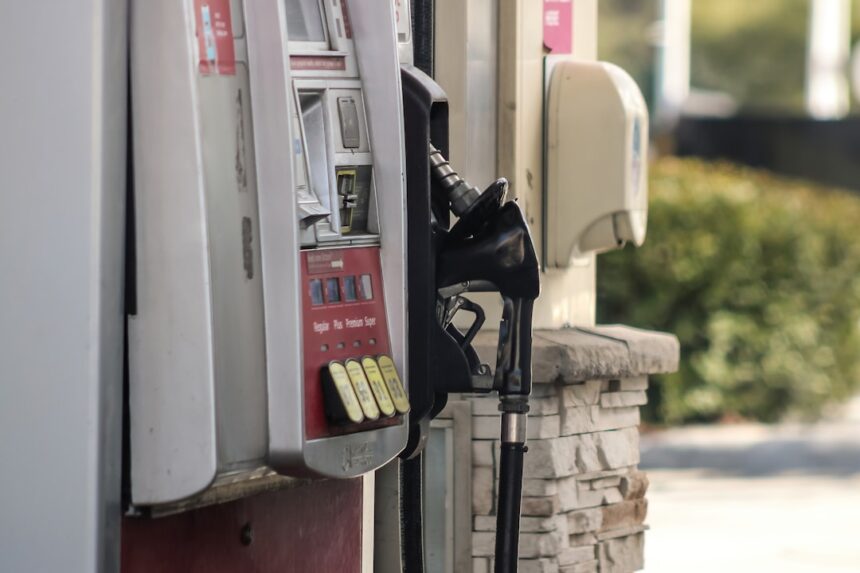
California is currently experiencing a historic diesel price crisis, exemplified by a Shell gas station in San Diego listing diesel fuel at an astonishing $9.99 per gallon. This price, confirmed by an employee, signifies the extreme pressure on fuel supply chains across the state.
As of Friday, the average diesel price in California surpassed $8 per gallon, according to the American Automobile Association. This marks a record high, with national averages now exceeding $6 per gallon for the first time. The escalating costs have been primarily exacerbated by geopolitical tensions, notably the ongoing conflict in Iran and the ramifications of the Russia-Ukraine war, which have both disrupted traditional energy flows.
Impact on Local Businesses
Local businesses heavily reliant on diesel fuel are feeling the pinch as operational costs rise sharply. Vlad Kandybovich, owner of QShark Moving, reported that his monthly fuel bill for an all-diesel truck fleet soared from approximately $8,200 last August to $16,000 this year. Despite this dramatic increase, he could only raise customer fees by about 17%, from $60 to $70, due to the hyper-competitive nature of the moving industry in California. Kandybovich noted, “Our customers are already struggling to pay, because California’s very expensive, and they’re also paying gas prices.”

Supply Chain Challenges
Moreover, the situation has intensified for other service providers. Jose Bedoya of Leaf It To Us, an arborist service, indicated that the daily cost of fueling his truck and woodchipper stands at roughly $150. The rising diesel prices have prompted him to increase quotes for new customers significantly, while some existing customers are opting for less frequent services as costs escalate.
An analysis of fuel regulations reveals that California consistently endures the highest fuel prices in the United States. Contributing factors include a lack of pipelines facilitating fuel transport into the state, diminished refining capacity, and the state’s substantial gas taxes. Additionally, California’s heavy reliance on renewable diesel, primarily derived from oils and fats, has introduced complexities to the fuel market, driving up refiner costs.
Looking ahead, it remains uncertain when diesel prices will stabilize or decline. Current stockpiles in California are reported to be at their lowest seasonal level since 1998, according to US government data, while benchmark futures trade close to $5 per gallon. As energy-driven inflation continues to cascade through supply chains, operators should brace for potential further price hikes and seek strategies to mitigate impacts on operating costs and customer pricing.
Behind the Headline
The surge in diesel prices in California reflects a significant strain on both supply chains and consumer markets. For operators reliant on diesel, increased prices are intensifying financial pressures, making it essential to reassess operational efficiencies and pricing strategies. With stockpiles nearing historic lows, companies must remain vigilant regarding supply chain disruptions while exploring diversifications in fuel sourcing. The broader implications of rising diesel costs suggest that businesses could face extended periods of tighter margins and increased consumer resistance to price hikes, calling for innovative solutions within the logistics and transportation sectors.