Update 09 Sep 2026, 18:32 UTC:
On Tuesday, US Central Command (CENTCOM) confirmed that American military forces targeted five Iranian oil tankers in the Gulf of Oman. This action was a direct response to ballistic missile attacks on a US Navy warship conducted by the Islamic Revolutionary Guard Corps (IRGC), highlighting a substantial escalation in geopolitical tensions within the region.
Details of the Strikes
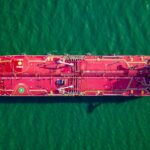
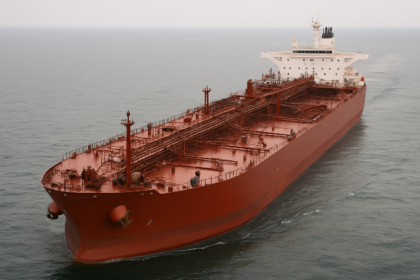
With a clear assertion that no American personnel were harmed during the missile threats, CENTCOM stated that US crews on the targeted vessels were directed to abandon ship before the strikes commenced. The attacked vessels include four oil carriers: the M/T Kaviz, the M/T Charminar, the M/T Horizon 1, and the M/T Riesco. Additionally, the M/T Derya was also targeted near the vital Kharg Island, referenced by CENTCOM as integral to Iran’s oil export network.


CENTCOM characterized these vessels as part of a broader “multibillion-dollar shadow network” supported by the IRGC to fund its military operations and regional proxies. The US military emphasized that Iran lacks the capacity to defend these commercial vessels.
Iran’s Retaliation
In retaliation for the US strikes, Iranian state media reported that Iran executed a ballistic missile attack directed at US assets in Jordan. The Jordanian army confirmed the engagement of 20 ballistic missiles, successfully intercepting 18 due to their defense capabilities. Reports indicate that missiles that did fall landed in unpopulated areas, thus avoiding casualties.
Furthermore, the IRGC claimed responsibility for targeting not only two US ships but also eight oil tankers and a number of other vessels deemed “non-compliant” in the Strait of Hormuz, further complicating the security environment in this strategic maritime corridor.
Increased Maritime Risks
The situation prompted an urgent warning from the IRGC to oil tankers in the ports of Kuwait and Bahrain, advising vessels to vacate to avoid potential attacks. Analysts note that since the onset of heightened military tensions as part of the US-Israel-Iran conflict, Iran has intensified its threats against US interests in the Middle East, raising concerns over the safety and operational viability of maritime activities.
As tensions escalate, operators transiting the Gulf and surrounding areas must remain vigilant. The ongoing conflict adds a layer of unpredictability to shipping routes, which could lead to increased war-risk premiums and potential rerouting. In such a fraught operational environment, maintaining secure and fast communication with security forces and updates on regional threat assessments will be critical for vessel operators.
The Operational Read
For maritime operators, the landscape in the Gulf has become increasingly perilous following the recent confrontation. The Iranian threats to target oil tankers signify a dramatic escalation in the risk profile for vessels operating in this region. Ship owners and charterers are advised to reassess their route plans and maintain close connections with maritime security specialists to navigate this evolving situation. Continuous monitoring of military activity, the status of nearby ports, and the political climate will be essential for ensuring the safety of crew and cargo. Strategically, decisions about whether to reroute could become imperative as tensions grow and the risk of attacks increases.