On September 3, U.S. military operations targeted and sank three Ecuadorean vessels as part of a broader effort to combat drug trafficking in the eastern Pacific. Ecuador has publicly defended this action, asserting a commitment to international cooperation in addressing organized crime, specifically linked to the Los Choneros gang.
The Incident
According to the Ecuadorian government, the vessels in question were operating as floating refueling stations, aiding in the movement of narcotics toward Mexico and the United States. The U.S. Southern Command has supported this claim, stating that these vessels were integral to drug smuggling logistics. Video released by military officials depicts operatives boarding one of the vessels before it was destroyed, although the authenticity of the footage has not been independently confirmed.
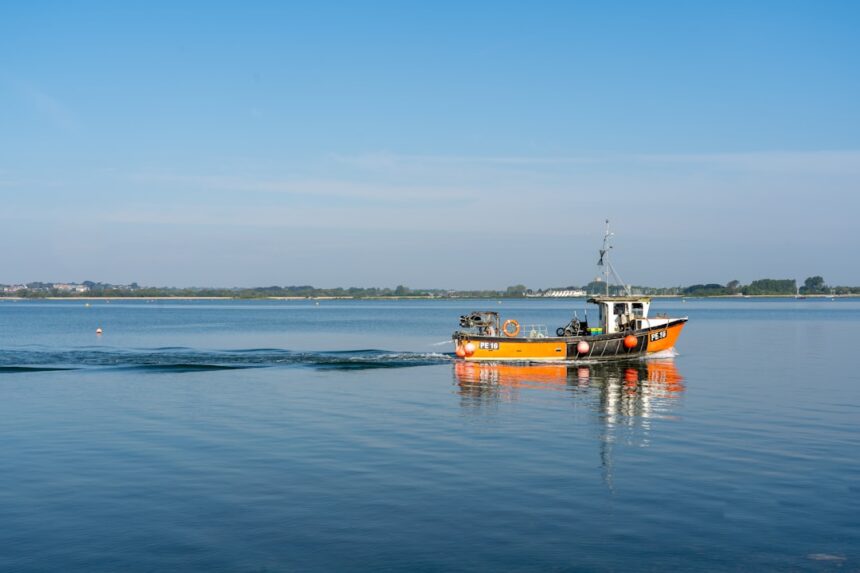
Despite official assertions, family members of crew members have challenged the narrative, describing the vessels, including the Conquista II, as fishing boats. Rosalba, wife of one of the crew members, expressed distrust regarding the operation, stating that the men were engaged in fishing when intercepted by U.S. forces and claimed no illegal substances were found aboard.


Market Impact
This incident highlights the tension between enforcing maritime laws and ensuring the safety of local fishermen, prompting concerns over human rights violations in maritime operations. Ecuador’s response situates the nation within a contentious dialogue about the use of force at sea in anti-drug campaigns, reflecting broader implications for maritime security and the fishing industry in the region.
The Ecuadorian Navy confirmed that 28 crew members from the two vessels arrived safely in Manta aboard a coast guard vessel, though several others remain unaccounted for. The fallout from these operations may impact regional fishing communities, calling into question the balance between security measures and local livelihoods.
The Operational Read
The intersection of anti-drug enforcement and traditional fishing practices presents significant operational challenges. For shipping operators and local fishermen, this incident underscores the vulnerabilities inherent in maritime operations. The use of armed forces in drug interdiction raises questions about jurisdiction and the application of maritime law, particularly in areas claimed by nations as domestic waters. Stakeholders must remain vigilant as similar operations are likely to continue, potentially affecting access to fishing grounds amidst increased scrutiny of illicit maritime activities.