

The global shipyard order book has expanded to an estimated 203.2 million Compensated Gross Tonnage (CGT) as of September 1, 2026, marking a 13% increase from 180.0 million CGT one year earlier. This growth, although below the all-time high of 210.4 million CGT recorded in May, represents a solid recovery, exceeding the previous record of 195.4 million CGT from 2008.
Chinese Dominance in Shipbuilding
Chinese shipyards have significantly bolstered their position as the world’s leading shipbuilding nation, capturing 74% of the contracted CGT over the past year. As a result, they now control 64% of the global order book, while South Korean and Japanese shipyards hold 19% and 6%, respectively. China’s influential role spans across all major sectors, with its shipyards commanding over 72% of the order book in containers, tankers, gas tankers, dry bulk carriers, other dry cargo vessels, and RoRo ships. These sectors cumulatively represent 88% of the global order book.
Container Ships Drive Growth
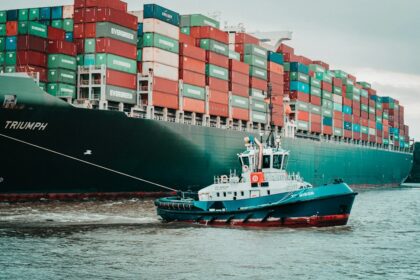
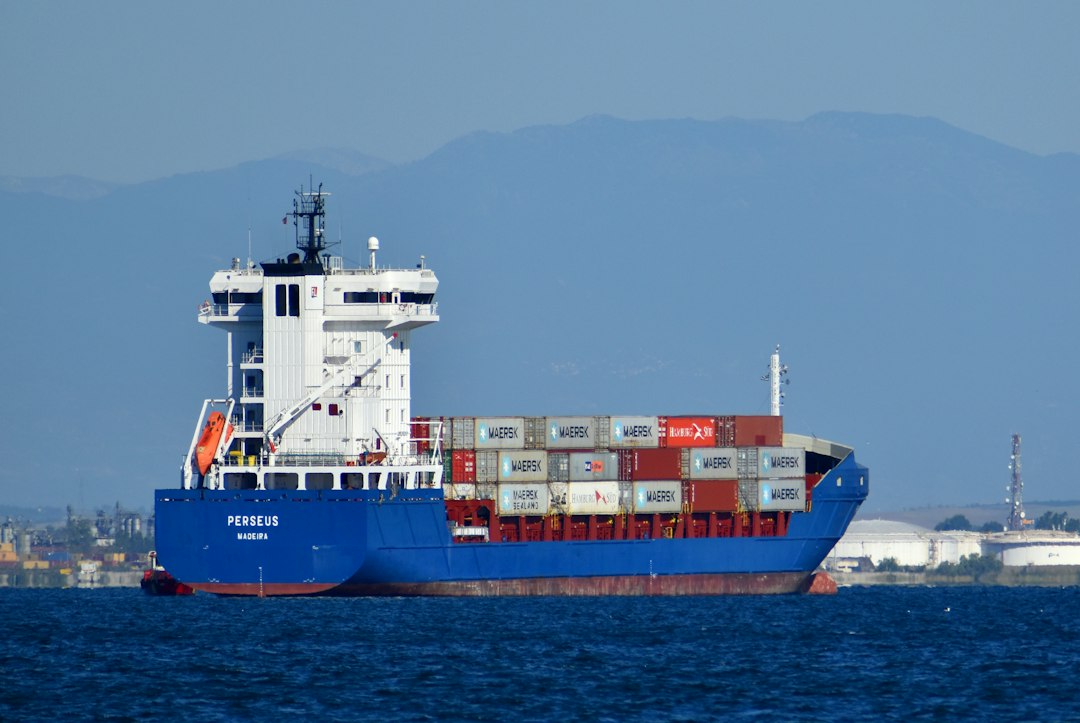
Container ships remain the cornerstone of growth within the order book, accounting for 30% of the CGT on order and representing an impressive 68% of the total increase observed over the past year. With a share of 81% within the container segment, Chinese yards are strategically positioned to capitalize on rising global demand.

Current capacity dynamics suggest that if the output equals the maximum CGT achieved from 2021 to 2025, Chinese shipyards have orders that amount to an average of 4.2 years of capacity. In comparison, South Korean and Japanese counterparts exhibit much lower averages of 1.9 and 1.7 years, respectively. With combined deliveries from China, South Korea, and Japan having peaked at 40.1 million CGT in 2025, future scheduled deliveries are projected to escalate to 55.9 million CGT in 2027 and 60 million CGT in 2028.
Chinese shipyards are expected to ramp up production to meet these ambitious delivery targets, with schedules indicating record ship outputs reaching 44.0 million CGT in 2028, nearly double the 22.7 million CGT accomplished in 2025. However, this necessary expansion of capacity could lead to increased risks of underutilization, especially if future contracting trends shift negatively.
Behind the Headline
The substantial growth in China’s shipbuilding order book signifies not only the country’s dominance in global maritime manufacturing but also highlights the pressing need for operational efficiency among shipyards. As container vessels drive much of this demand, the focus will shift towards balancing output with market stability. Stakeholders in the maritime supply chain, including charterers and operators, should closely monitor capacity expansions given potential market fluctuations. The strategic responses from these shipyards will be critical in determining how well they can navigate future challenges while sustaining their dominant market position.