Update 06 Sep 2026, 14:33 UTC:
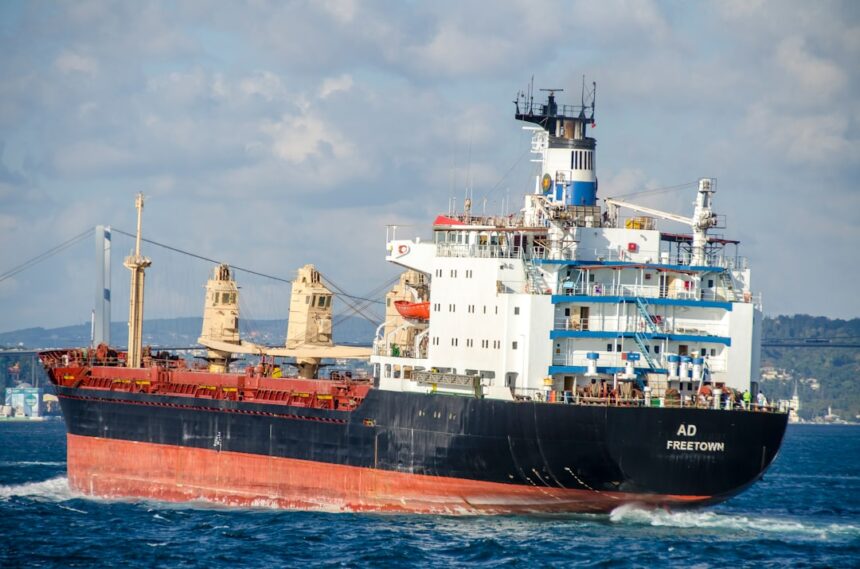
The operational environment in the Strait of Hormuz has deteriorated significantly following a series of retaliatory attacks between the United States and Iran. On September 6, 2026, Iran’s Islamic Revolutionary Guard Corps Navy announced that it had targeted three oil tankers, claiming they used unauthorized routes to traverse this vital chokepoint for global energy shipments. This action follows a US military strike on Iranian tankers over the preceding weekend.
Escalating Tensions
The IRGC’s announcement included claims of attacking a US naval drone and a military unmanned surface vessel that attempted to intrude into the Strait of Hormuz. However, details regarding the outcome of these incidents have not been independently verified. These developments add to an ongoing cycle of tit-for-tat engagements that have marked the escalating conflict, which has persisted for over six months since the US and Israel initiated military actions against Iran.

Impact on Maritime Traffic
Maritime traffic in the Strait remains critically low, with Kpler data indicating only one commodity vessel crossed the strait on Saturday. This is indicative of the rising tensions forcing commercial operators to reconsider their routes and prepare for potential disruptions. Moreover, Iran’s parliamentary speaker, Mohammad Bagher Ghalibaf, indicated a strategic shift, declaring the era of proportionate responses over, signaling potential for more aggressive actions moving forward.
US Military Operations
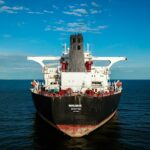
The United States has taken significant military actions in the region as a response to the increasing aggression between the two nations. As of September 6, US Central Command confirmed the destruction of three Iranian crude tankers, including the Suezmax Kyrlo, which reportedly sank in the Gulf of Oman. In conjunction, the military has employed an extensive maritime blockade, redirecting 92 commercial vessels and enforcing compliance to deter aggression against its allies.
The Operational Read
The ongoing maritime confrontations in the Strait of Hormuz carry profound implications for both shipping operators and global energy markets. With the Iranian Revolutionary Guard Corps indicating a readiness to intensify their responses, vessel operators must remain vigilant and consider preemptive rerouting to ensure safety. This situation is compounded by existing economic sanctions which have already influenced oil prices, emphasizing the need for operators to adapt to this changing geopolitical landscape. Moving forward, the emphasis should remain on monitoring shipping traffic patterns and evaluating the implications of any escalated military engagement in the region.