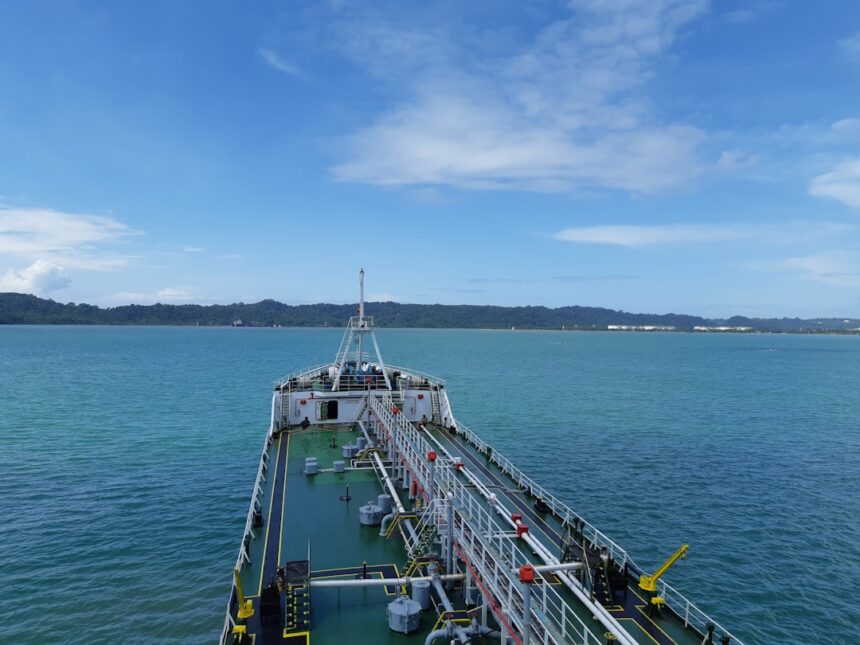
The ongoing disruptions in the Strait of Hormuz have compelled operators to undertake longer shipping routes, significantly extending voyage durations and altering market dynamics for the clean tanker sector. Industry leaders highlight that while order volumes have decreased due to security concerns, the strategic rerouting of tankers is maintaining operations, albeit at a higher cost and with increased demand for clean tonnage.
The Impact of Rerouting
According to Jacob Balslev Meldgaard, CEO of Torm, the decisions to reroute have added substantial time to voyages. For instance, Torm’s LR1 vessel Innovation was initially expected to load in Yanbu for delivery in Asia but had to be diverted through Suez and around the Cape of Good Hope due to heightened security risks. Such rerouting has resulted in extensions exceeding 30 days for some voyages, effectively removing these vessels from the market for an additional month when replicated across a fleet.
Meldgaard asserts that this trend points to a potential structural reset within the market, reflecting a shift that could last well beyond immediate disruptions. He mentioned that even with a reopening of the Strait, the conditions of the market are likely to evolve, supporting continued demand for tanker services.


Market Growth and Supply Dynamics
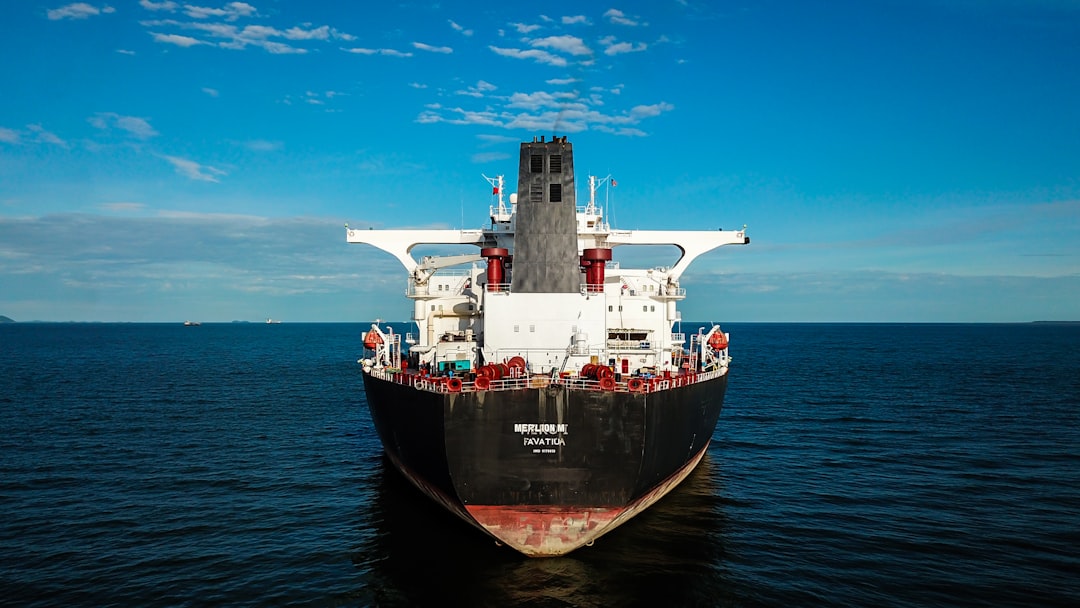
As distance traveled by tankers increases, BIMCO has projected that product tanker demand will remain stable this year, with a potential increase of 2.5% to 4.5% anticipated in 2027. Concurrently, the product tanker fleet is expected to grow by 13%, with the LR2 segment representing a significant part of this increase. However, the clean product segment faces unique challenges, particularly as LR2 vessels increasingly turn to crude trading due to market pressures.
In addition to market shifts, sanctions affecting nearly 20% of the tanker fleet are compounding issues. As Carlos Balestra di Mottola, CEO of D’Amico International Shipping, pointed out, the clean segment has seen a net reduction in vessel availability as many LR2s transition away from clean products, which tightens competition among remaining vessels. With around 22% of the MR and LR1 fleet aging past 20 years, the overall supply is under pressure.
Future Outlook and Recommendations
The clean tanker market is facing a pivotal moment as operators navigate these longer routes and fluctuations in fleet supply. Analysts from S&P Global Energy have noted the increased availability of newbuilds is diminishing owners’ leverage during negotiations, marking a competitive shift from previous peak disruption periods. The Platts clean tanker index reflects this volatility, standing at $124,640 per day as of September 1, a 95% increase since the year’s start.
Behind the Headline
The rerouting of clean tankers in response to disruptions raises essential questions for operators and charterers alike. The operational realities of extended voyages mean higher costs and altered scheduling for shipping companies, impacting laytime and demurrage calculations. This shift necessitates careful monitoring, as increased tanker fleet capacity could affect future freight rates. Moving forward, operators may need to reassess contractual agreements and strengthen dispatch protocols to adapt to these evolving market conditions.