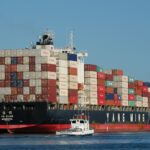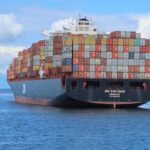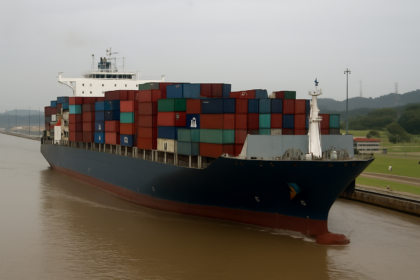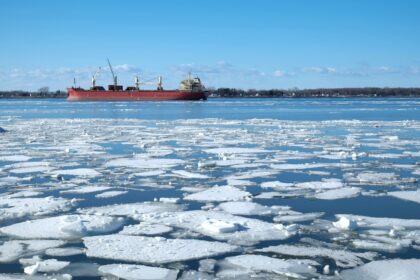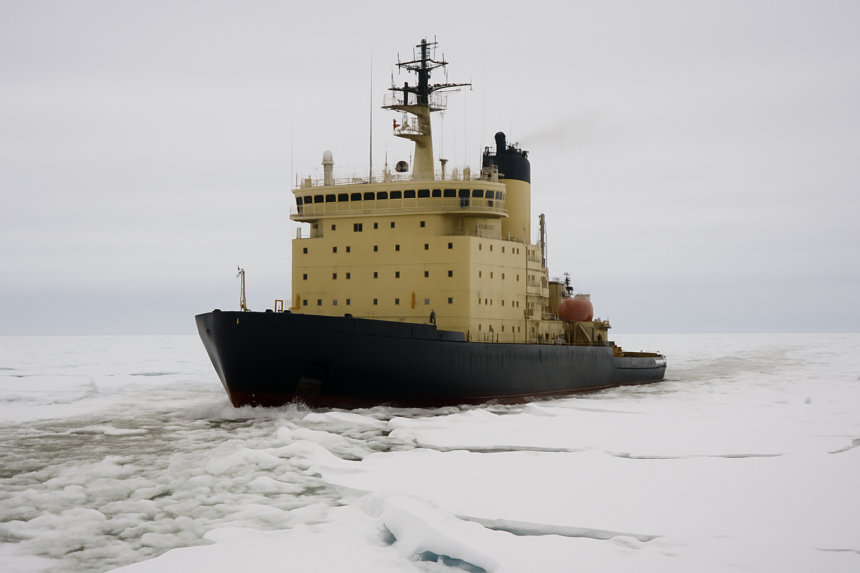
In a significant development for Arctic shipping, Sealegend Shipping is set to launch the first scheduled weekly container service between China and Europe via the Northern Sea Route (NSR) this summer. The service will operate between August 12 and October 27, 2026, with a fleet of seven small- to medium-sized container vessels.
The Service Details
The inaugural voyage will feature the 1,740-TEU Dubai Tower, departing from China on August 12 and expected to arrive in Felixstowe on September 5. The service will also include a variety of ships such as the 2,872-TEU Riyadh Mukaab and the 4,890-TEU Istanbul Bridge, alongside other vessels specifically designed to accommodate various cargo types, including standard containers, refrigerated goods, oversized freight, and hazardous battery materials.
This weekly service represents a departure from past Arctic voyages, which have primarily been trial runs. Sealegend’s operation aims to establish a regular shipping schedule beneficial for operators seeking reliability and reduced transit times.


Market Implications
Sealegend markets this service as a faster alternative to traditional routes, boasting the capability of reaching Hamburg in just 20 to 22 days. This places it in competition with both Suez Canal shipping and rail services from China to Europe, particularly during the peak shipping season in the third quarter. Moreover, the company notes that the Arctic route is projected to produce approximately 50% lower carbon emissions compared to southern routes due to its shorter sailing distance.
These developments come in the context of China’s strategic interests in the Arctic, encapsulated in its ‘Polar Silk Road’ initiative. Research vessels and icebreakers from China have been increasingly active in the region, and Sealegend’s service could indicate a growing trend of commercial activity in Arctic waters, notwithstanding challenges such as seasonal ice conditions and high insurance costs.
Challenges Ahead
While this service marks a noteworthy step forward, the deployed vessels are modest by international standards. The largest ship in this operation, the Istanbul Bridge, is significantly smaller than the 20,000- to 24,000-TEU ultra-large container ships prevalent in traditional Asia-Europe trade lanes. Additionally, container shipping along the Northern Sea Route has been historically difficult due to the industry’s need for predictable scheduling and high reliability.
Behind the Headline
This inaugural service by Sealegend Shipping is indicative of a transformational shift in Arctic maritime operations. By offering a scheduled service rather than sporadic voyages, the company seeks to address the inherent dependability needed by container operators. For shipping lines, reduced transit times combined with lower emissions may enhance competitiveness against established routes. Market dynamics are likely to evolve as operators weigh the reliability of Arctic passages against the traditional routes, with a watchful eye on how weather conditions and icebreaker availability will impact future operations.