Governments across Europe and Asia are increasingly committing resources to enhance the adoption of low- and zero-emission fuels in the maritime sector. These initiatives vary significantly, demonstrating a range of strategies to facilitate cleaner shipping options.
Government Initiatives in Europe
In Europe, a number of countries are systematically developing the infrastructure needed for alternative fuels. Germany has initiated its inland shipping program with an allocation of up to €70 million aimed at advancing green shipping corridors. This funding will cover vessel conversions and the establishment of renewable hydrogen and electricity production facilities, as well as charging and alternative fuel bunkering infrastructure.
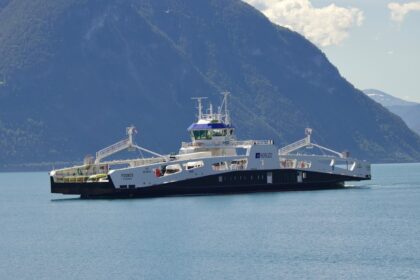
Norway’s commitment to alternate fuel technologies is also noteworthy; in June, the government’s Enova agency awarded NOK 344 million to LH2 Shipping for hydrogen-powered vessels. Additionally, NOK 442 million was allocated to Azane Infrastructure for the development of three ammonia bunker terminals in December.

The Netherlands is focusing on building capabilities for renewable methanol and hydrogen, dedicating €103 million of state aid for newbuilds and retrofits set for implementation between 2027 and 2031.
Advancements in Asia
In Asia, similar efforts are underway. Japan has launched a five-year funding program valued at JPY 15.1 billion, which subsidizes equipment for hydrogen, ammonia, and battery-powered ships. Notably, these vessels can receive support for up to half of eligible costs, compared to one-third for methanol and hybrid vessels. However, eligibility for subsidy as an oceangoing ship is limited to those powered by hydrogen or ammonia.
Hong Kong has allocated about HK$34 million for three-year initiatives that provide port dues concessions to vessels running on approved alternative fuels, along with additional incentives for flagging alternative-fuelled ships.
North American Landscape
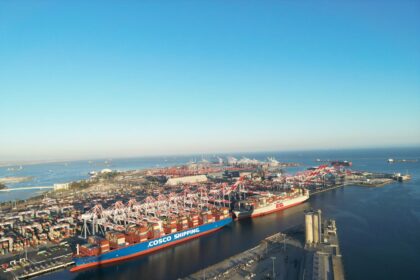
In North America, support for alternative fuels appears to be fragmented. Quebec has committed approximately CAD 5 million for shore power installation in the Port of Québec, while the Port of Long Beach is providing $1 million to incentivize methanol bunkering on a commercial scale. This program reflects the industry’s shift towards alternative fuels, although the costs associated with methanol bunkering versus traditional fuels remain substantial.
Proposed legislation in the U.S., notably the Next Generation Shipping Act, seeks to secure $1 billion annually for clean shipping initiatives, signaling a recognition of the need for significant federal involvement to remain competitive in the global transition to cleaner technologies.
Behind the Headline
The varied responses to alternative fuel adoption reflect the different regional priorities and market conditions influencing the maritime sector. For operators, understanding these initiatives is crucial as they may need to adjust vessel designs and operational practices in response to evolving regulatory landscapes. The financial incentives provided by these governments can catalyze investments in cleaner technology, impacting everything from charter rates to fuel procurement strategies. Stakeholders are advised to monitor developments closely, particularly in the context of international competitiveness as more nations ramp up their investments in green shipping technologies.