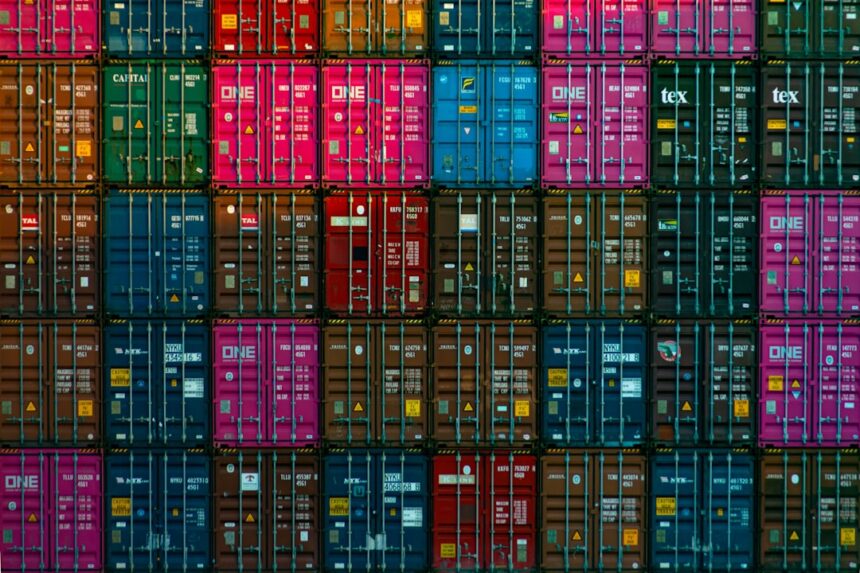
The Port of Los Angeles reported strong performance in July 2026, handling 960,464 twenty-foot equivalent units (TEUs), which marks the second-highest volume for the month in its history. Although this represents a 6% decrease from the all-time high of 1.02 million TEUs recorded in July 2025, it remains a notable 7.5% above the five-year average for July.
July’s results followed an exceptionally robust June, where the port surpassed the million TEU milestone, processing over 1 million containers. Port of Los Angeles Executive Director Gene Seroka remarked, “Businesses continue to move cargo when they see windows of opportunity amid an evolving trade environment, while resilient consumer demand is helping keep imports at historically strong levels.”
Import and Export Breakdown
Loaded imports for July were calculated at 499,552 TEUs, down 8% compared to the previous year. However, this figure reflects a 6% increase over the five-year July average. Loaded exports also decreased, totaling 111,776 TEUs, an 8% decline year-over-year. The volume of empty containers moved through the port saw a minor reduction of 2%, landing at 349,137 TEUs.

As of July 2026, the Port of Los Angeles has successfully processed 6.08 million TEUs during the first seven months of the year, marking a 1.8% increase from the same period in 2025. This uptick indicates a strong resilience in cargo movement despite the fluctuating trade landscape.
Market Trends and Future Projections
The cargo volumes in July align with a broader trend of elevated imports as retailers and importers adapted their strategies in light of tariff modifications and other supply chain challenges. The National Retail Federation (NRF) and Hackett Associates underscore this behavioral shift, predicting sustained high levels of imports at U.S. container ports through August before a gradual decline through the remainder of the year.
Notably, the expiration of temporary global tariffs on July 23 and the implementation of a new round of Section 301 tariffs impacting numerous economies have influenced the cargo timelines. NRF’s Vice President for Supply Chain and Customs Policy Jonathan Gold highlighted that retailers accelerated shipments to navigate these changes, further complicating traditional shipping patterns.
Despite forecasts indicating a drop in import volumes, with an estimated 2.22 million TEUs projected for August—down 4.2% from the previous year—the overall import levels are anticipated to surpass those of 2025 for a significant period. The Global Port Tracker predicts a full-year total of 25.5 million TEUs, representing stability relative to 2025.
Behind the Headline
The Port of Los Angeles continues to navigate the complexities of a shifting global trade environment marked by tariff uncertainties and changing consumer demands. While July’s volume reflects a timely operational response from retailers, the decreased growth rate signals challenges that may influence port operations and logistics strategies moving forward. As importers continue to adapt their logistics plans to address geopolitical risks and tariff schedules, the focus for the coming months will likely be on how to maintain efficient cargo flows while accommodating fluctuating consumer demand.