On August 25, Iran vowed to counter the expanded sanctions imposed by the United States, which aim to further isolate the Iranian economy. U.S. Treasury Secretary Scott Bessent’s announcement of new measures comes almost six months into a conflict that has proven challenging for Washington to resolve. Despite imposing sanctions on 60 individuals, entities, and vessels, Bessent refrained from identifying potential targets or timelines, allowing countries engaged in trade with Iran some time to assess compliance with the new directives.
The Diplomatic Context
In a statement to the Iranian media, Abbas Golroo, chair of the foreign relations committee in Iran’s parliament, indicated that recent discussions with Pakistani officials have involved messages about the U.S.’s intention to revive stalled political dialogues. Pakistan’s army chief, Asim Munir, reportedly relayed Washington’s intent in his discussions with Iranian authorities. This comes amidst ongoing concerns from Tehran regarding the implications of U.S. sanctions. Notably, the sanctions do not target Chinese financial entities, which have been instrumental in facilitating Iran’s oil exports.
Market Reactions
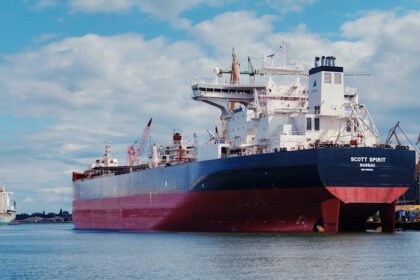
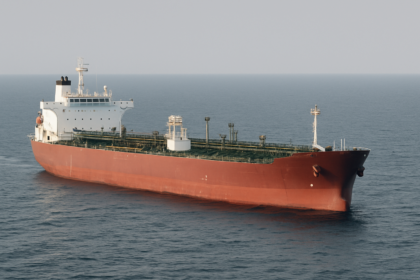
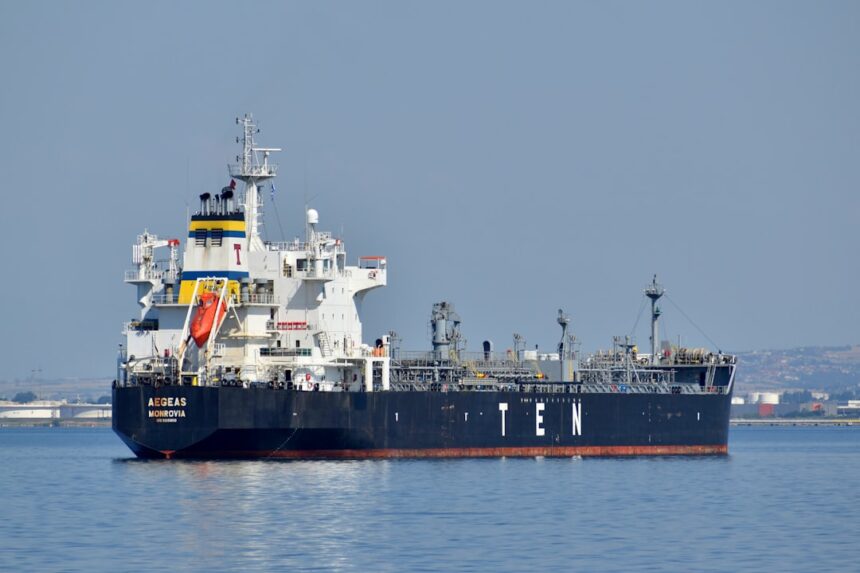
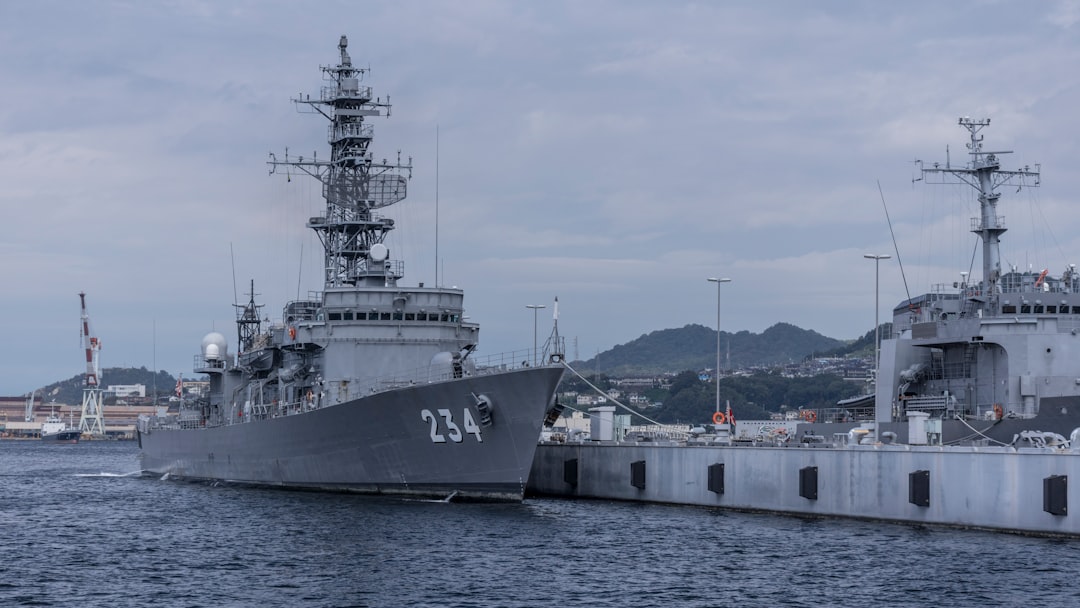
As the sanctions were unveiled, the oil market reacted with a decline in prices over two consecutive days, as traders seemed to downplay the impact of the sanctions. However, cautiousness persists regarding Iran’s capacity to disrupt shipping, especially through the strategically crucial Strait of Hormuz. Recent reports indicated an oil tanker experienced a strike near Oman, drawing attention to the heightened risks within the region. The UK Maritime Trade Operations confirmed that the vessel was disabled approximately nine nautical miles from Oman, underscoring the potential volatility in maritime operations.


The Operational Read
This development highlights the increasingly tenuous operational environment for shipping within the region. The reimposition of U.S. sanctions could escalate tensions, especially given Iran’s willingness to retaliate if their interests are perceived to be threatened. Operators navigating the Strait of Hormuz must remain acutely aware of potential disruptions, considering Iran’s demonstrated capacity for aggressive actions against vessels in the vicinity. The anticipated diplomatic engagements may offer some respite, but the interplay between geopolitical maneuvers and market dynamics will be critical to monitor in the coming weeks.