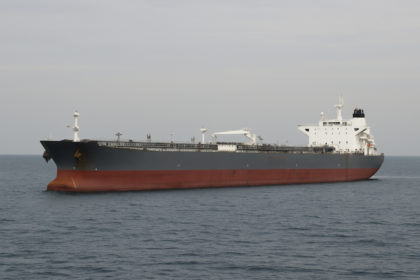
On Monday, an anti-ship ballistic missile struck the Saudi-flagged Very Large Crude Carrier (VLCC) AMZAN, approximately 63 nautical miles west of Yanbu, Saudi Arabia. The incident ignited a fire on the main deck but reports confirm that all crew members were safe and accounted for, with no environmental damage subsequently reported.
Maritime security analyst Martine Kelly, Head of Advisory at EOS Risk Group, identified the AMZAN as the targeted vessel, highlighting that the missile attack aligns with the Houthis’ recent focus on Saudi-affiliated maritime operations. The VLCC was en route from Ain Sukhna, Egypt, to Yanbu at the time of the attack, underlining the risks maritime operators face while navigating this strategic shipping lane.
The Houthi Campaign
The Houthis have claimed responsibility for the strike, which contributes to their escalating campaign against commercial shipping linked to Saudi Arabia in the Red Sea. Over the past month, there has been a noticeable increase in attacks targeting Saudi-flagged vessels and those deemed associated with the kingdom’s maritime operations. According to Kelly, the recent Houthi tactics explicitly focus on vessels that are either Saudi-owned or calling at Saudi ports.

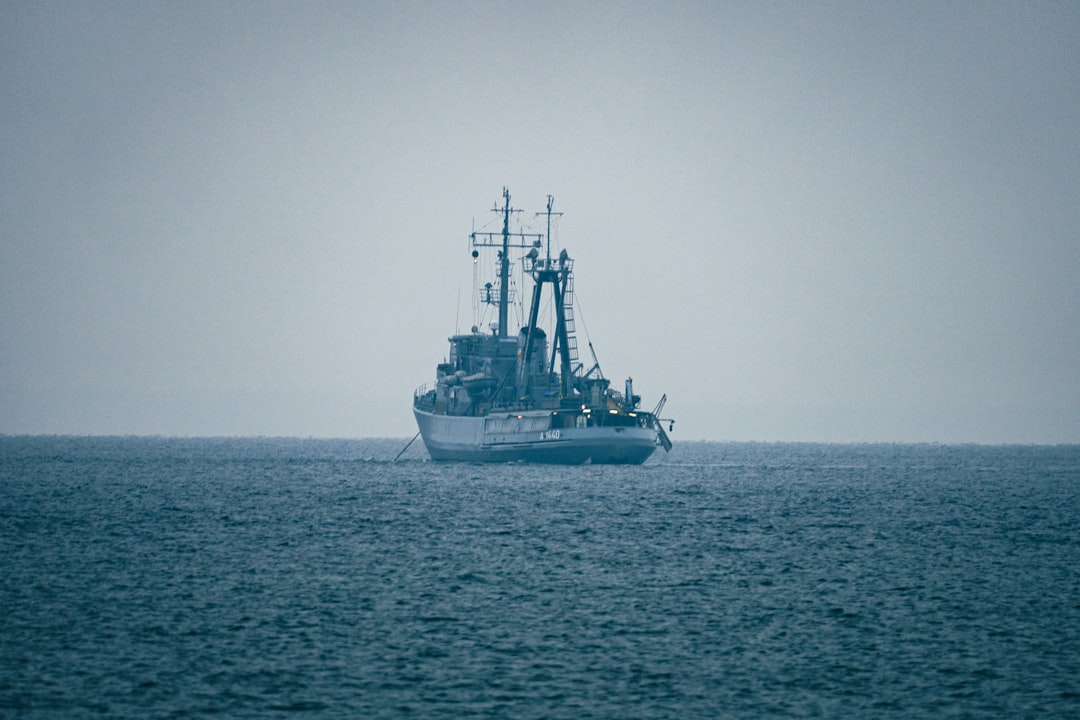
The Joint Maritime Information Center has previously assessed the threat in both the Bab el-Mandeb Strait and the southern Red Sea as substantial, warning that the waterway is largely inaccessible for vessels affiliated with Saudi interests. This consideration necessitates heightened vigilance among shipping operators, particularly those operating within or near conflict zones.
Response from the Shipping Community
The maritime shipping community is likely to respond to these developments by reviewing transit plans and enhancing risk assessments for their fleets. Operators of Saudi-flagged vessels and those trading in the region may need to explore alternative routes or adjust operational protocols to mitigate risks posed by Houthi attacks. The recent track record indicates that vessels calling at Saudi ports are increasingly vulnerable to assaults, thus influencing charterers’ risk strategies moving forward.
The Operational Read
The missile strike on the AMZAN signals a concerning trend for the safety and security of maritime operations in the Red Sea. For operators, understanding the specific targeting profiles employed by the Houthis is crucial in evaluating shipping risks. The current geopolitical climate may lead to increased war-risk premiums and the need for advanced threat mitigation strategies. Operators should closely monitor developments and consider the implications of rerouting, which could significantly affect supply chain logistics and operational costs. The evolving nature of these threats underscores the importance of proactive engagement with maritime security advisories and the need for continuous reassessment of transit security protocols.