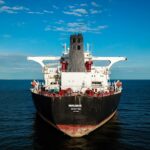
Three China-flagged very large crude carriers (VLCCs) have abruptly altered their courses in the Strait of Hormuz, underscoring the elevated risks posed to shipping in this critical maritime chokepoint. The vessels, including the Sea V, Hestia, and Erecter, are reported to have turned around as geopolitical tensions simmer and the prospects for a normalization of traffic appear bleak.
Vessels’ Movements and Risks
On Tuesday, the Sea V was observed laden with Iraqi crude, en route to the Strait when it reversed course and is currently idling near its entrance. Similarly, the Hestia, which initially sailed into the Gulf, quickly pivoted back after transiting along the Omani coast early Wednesday. Meanwhile, the Erecter has also opted for an immediate turnaround. Notably, the vessels are flagged to Hong Kong and have been identified as possessing Chinese crews.
These developments follow hazardous maritime activity in the region, as demonstrated by a UAE-linked fuel tanker, Amara, making several U-turns while remaining in the strait. The situation is exacerbated by recent reports of increasing attacks on vessels, including an incident where a UK Navy ship was struck by an unidentified projectile off the Omani coast.

Geopolitical Context
The rise in shipping risks is largely attributed to persistent tensions between Iran and the United States. President Donald Trump’s administration has adopted a tough stance against Tehran, indicating no active negotiations aimed at easing naval threats in the region. This position further complicates the situation, as Iran’s lead negotiator has stated that shipping operations in the critical Strait will not revert to normalcy until certain conditions are met. This includes demands to lift the U.S. naval blockade, evacuate oil sanctions, and cease military maneuvers.
Despite the looming threats, some vessels continue transiting Hormuz. For example, the Liberia-flagged Sweden Prosperity recently crossed through the strait with its transponder switched off, reappearing ahead on its course toward Dubai. Similarly, the Singapore Prosperity was spotted near Fujairah, fully loaded and suggesting successful navigation through Hormuz overnight without broadcasting its location.
The Operational Read
For operators navigating the Strait of Hormuz, the current geopolitical landscape necessitates heightened vigilance and strategic routing decisions. The combination of rising threat levels and the potential for further military actions demands that shipping companies reassess risk management protocols. While the ability to transit without broadcasting locations—as seen with some VLCCs—may present a tactical advantage, the operational risk remains significant. Monitoring developments in U.S.-Iran relations will be critical, as any escalation in hostilities can result in immediate impacts on shipping lanes, insurance premiums, and overall maritime security operations in the region.