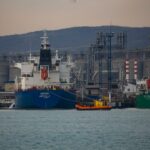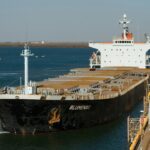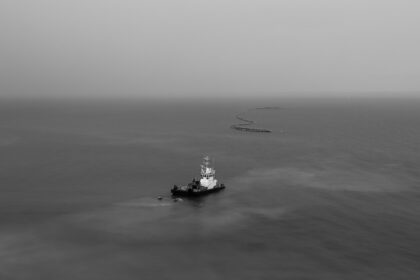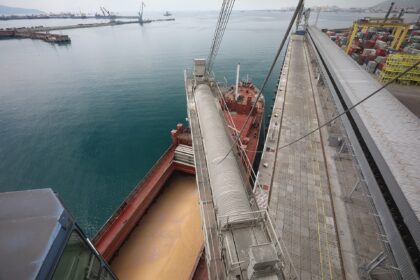


Ukrainian President Volodymyr Zelenskyy announced ongoing negotiations with Turkey, Egypt, and India aimed at establishing a safe navigation corridor in the Black Sea to facilitate agricultural exports. This initiative is critical as Ukraine’s Black Sea ports represent the primary export route for the nation’s grain, which can total up to 40 million tons during the marketing season. However, operations have been hindered since August due to Russian air strikes targeting both port infrastructure and vessels.
The Proposed Navigation Corridor
Zelenskyy emphasized that the current logistical capabilities are inadequate for the volume of shipments required, stating, ‘We cannot manage this volume of shipments by rail.’ The proposed agreements would allow ships flying the flags of Turkey, Egypt, and India to navigate both Ukrainian and Russian ports while safeguarding against attacks. Zelenskyy noted, ‘One ship heading to our port, and the other to Russian; we accept agreements not to strike either of these vessels.’
Challenges Ahead
Despite the diplomatic efforts, Russia has expressed opposition to the proposed grain corridor, which complicates the potential for any agreement. Zelenskyy indicated that this resistance persists despite repeated calls from Turkish, Indian, and Egyptian intermediaries to facilitate the plan. In light of these challenges, Ukraine has reached out to the European Union for the reinstatement of ‘solidarity lanes,’ initially established during the early stages of the Russian invasion in 2022, which enabled the transportation of grain via European railways and ports.


As noted by Ukraine’s Agriculture Ministry, the current exporting capabilities have dwindled, with only 38% of standard grain volumes being shipped out, significantly impacting both local and global food supply chains. The escalating situation underscores the necessity of effective actions to ensure food security in the region.
The Operational Read
The ongoing discussions spotlight the geopolitical complexities affecting Ukrainian grain exports amid military hostilities. For operators, the viability of shipping routes through the Black Sea hinges not only on the establishment of safe passage but also on the cooperation of all parties involved, including Russia. Persistent threats to port safety pose operational challenges that could alter shipping dynamics in the region. Operators and charterers should monitor these negotiations closely as any breakthrough might reinstate crucial grain supplies to international markets, currently hindered by the conflict.