

Update 20 Oct 2026, 18:35 UTC:
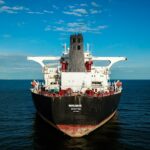
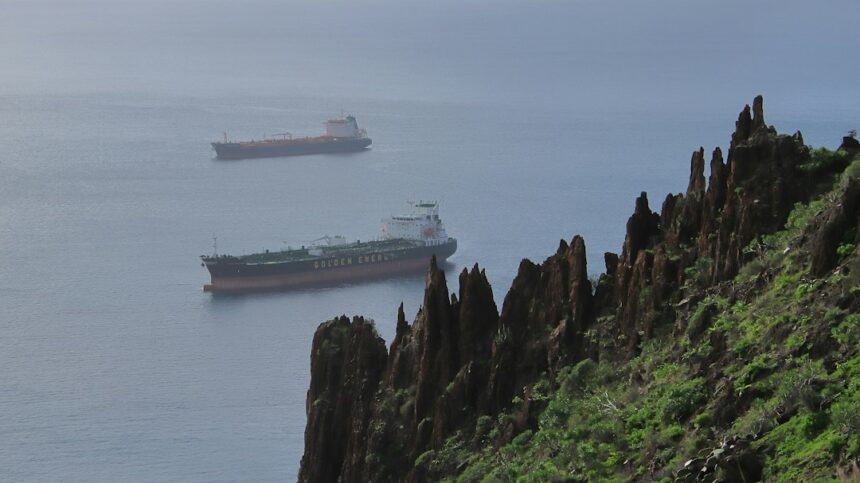
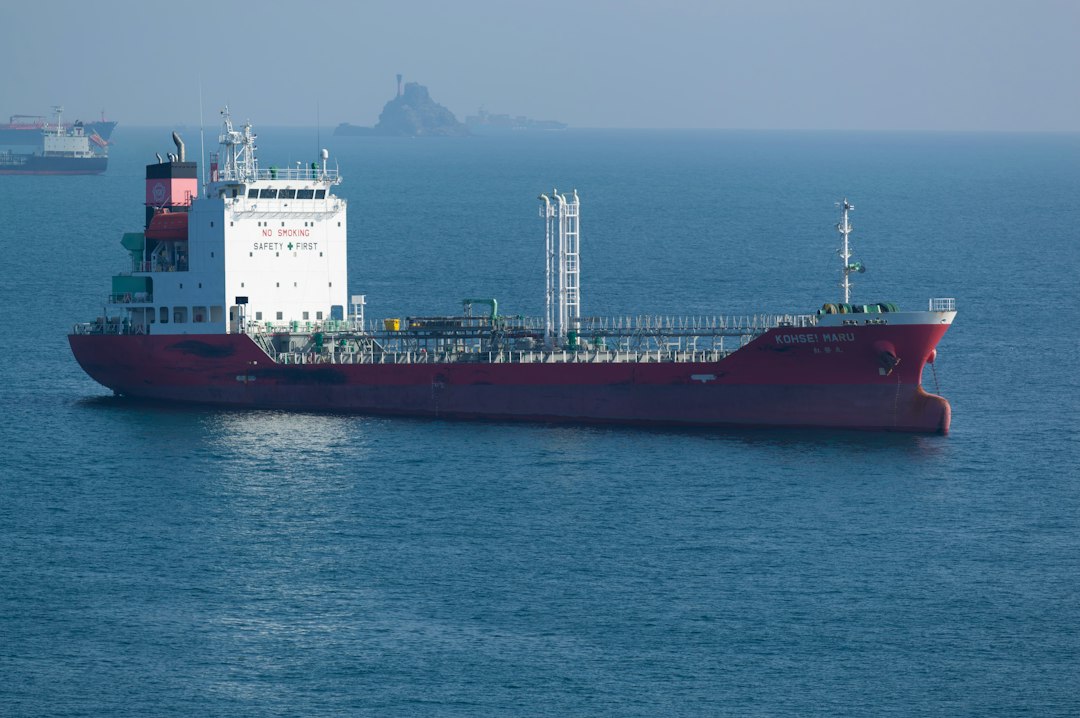
As of October 20, 2026, a South Korean oil tanker is navigating a Red Sea route to transport crude oil, marking the 19th such diversion since the closure of the Strait of Hormuz in February. This vessel loaded crude oil at Yanbu Port in Saudi Arabia and is now heading towards South Korea via the Suez Canal, as confirmed by the South Korean Ministry of Oceans and Fisheries.
The Route Change
Historically, South Korean vessels utilized the Bab el-Mandeb Strait for crude oil transport after loading at Yanbu Port. However, escalating military tensions between Saudi Arabia and the pro-Iran Houthi rebels have rendered the southern Bab el-Mandeb Strait increasingly perilous. Consequently, since mid-August, shipping operators have opted for the northern Suez Canal route, despite the extended distance and higher logistical costs involved.

Utilizing this route means vessels have to traverse the Mediterranean Sea and navigate around the southern tip of Africa, substantially lengthening the journey compared to pre-closure operations. This strategic decision, made autonomously by shipping companies and cargo owners, indicates a prioritization of safety over cost, highlighting the current maritime risk landscape.
Government Response
The South Korean government is maintaining oversight of the situation, ensuring the safe operation of these vessels while managing the overall impact on crude oil supply. The Ministry of Oceans and Fisheries has indicated that as the protracted closure of the Strait of Hormuz persists, similar detours to secure domestic energy supplies by South Korean tankers are likely to continue.
The operational shift not only reflects the immediate challenges faced by shipping operators but also illustrates a broader strategic adjustment in response to geopolitical instability in the region. Continuous assessment and refinancing of shipping routes may become necessary as conditions evolve.
The Operational Read
The situation represents a significant challenge for shipping operators navigating geopolitical tensions in critical maritime corridors. The increase in voyage length presents logistical hurdles and financial implications due to heightened costs. It is crucial for operators to remain agile and adapt their routing strategies as conditions shift, as well as to engage in tighter risk management practices to safeguard operations. As the landscape evolves, further adaptations to shipping methodologies and routes may be required to maintain energy security while mitigating emerging threats.