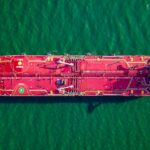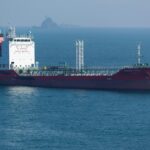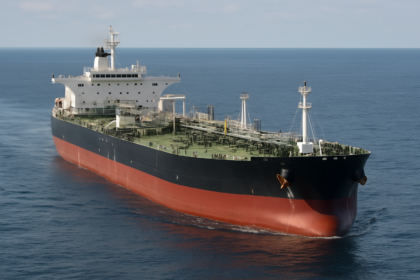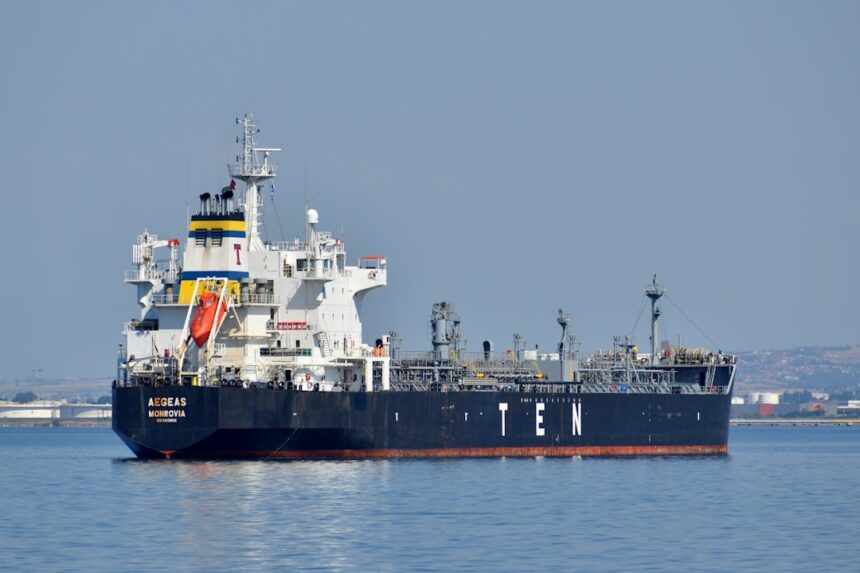
Saudi Arabia’s national oil company, Saudi Aramco, is currently offering oil cargoes from locations near the Omani coast, signaling a significant shift in the kingdom’s oil export strategy. This approach may allow the kingdom to further reduce its dependence on the Strait of Hormuz, a strategic chokepoint for global oil shipments.
Strategic Changes in Oil Exports
Saudi Aramco has begun marketing Arab Medium and Arab Heavy crude grades through a ship-to-ship transfer system from offshore locations such as Sohar in the Gulf of Oman. Sources familiar with the matter indicate that these offers are primarily directed at select Chinese refiners, who favor the heavier and sulfur-rich grades compatible with their refinery capabilities.
The recent uptick in oil offers comes amid rising geopolitical tensions, especially following the Houthi militia’s declaration of a maritime blockade affecting Saudi Arabia’s export routes. The blockade poses risks not only to shipments through the Strait of Hormuz but also to the diverted routes through the Red Sea, which were previously seen as alternatives.

Market Response and Observations
The adaptation in Saudi oil trading practices reflects a broader strategy to mitigate risks associated with transit through contested waterways. Saudi Arabia’s ability to divert significant volumes of oil to its Red Sea port of Yanbu affords it a degree of independence from Hormuz; however, recent challenges to these routes necessitate increased operational vigilance.
Recent satellite imagery has shown heightened loading activity at Ras Tanura, with estimates indicating that vessels with a transport capacity exceeding 9 million barrels have been recently deployed. This surge in activity suggests that Saudi Arabia is attempting to increase its export volumes while managing the complexities associated with existing threats to its maritime operations.
The Operational Read
The move by Saudi Aramco to market oil near Oman represents a proactive effort to mitigate reliance on the vulnerable Strait of Hormuz. Operators will need to navigate changing dynamics as geopolitical factors evolve, particularly in light of recent threats from the Houthi militants. For charterers and crews, the reliability of trade routes remains critical, with an emphasis on monitoring security conditions and adapting transport strategies to ensure safe passage. The diversification of oil trade routes may initially strengthen supply continuity, yet ongoing regional instability calls for close attention to operational logistics and market movements.