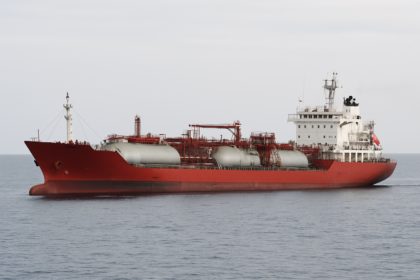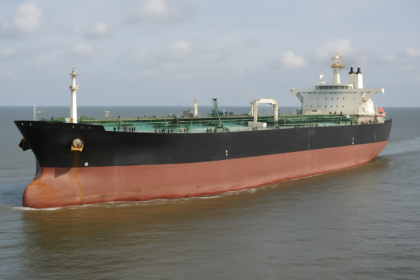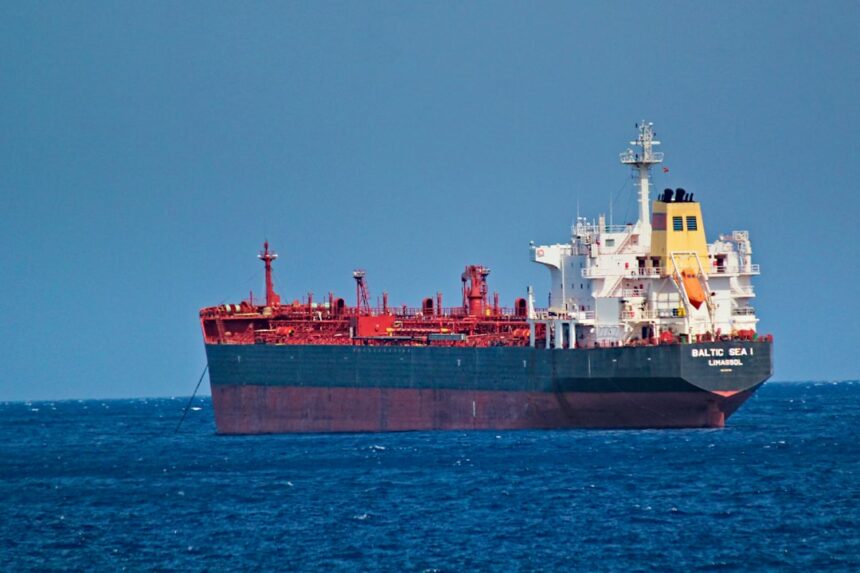
In 2026, sanctioned vessels have accounted for a remarkable 58% of tanker scrapping activity, according to Clarksons Research. This trend emerges despite robust freight conditions, which have kept overall demolition rates at historic lows.
The State of Scrapping
As of 2026, a total of 26 sanctioned vessels, equating to 2.1 million deadweight tonnes (dwt), have been sold for recycling. Notably, 22 of these vessels are tankers that collectively represent 1.8 million dwt. The disproportionate amount of sanctioned vessels entering the scrapping market reflects a specific challenge and strategy in current maritime operations.
Market Dynamics
The sustained strong freight market suggests that many operators are still reaping benefits despite the prevalence of sanctions affecting a portion of their fleets. While overall tanker demolition activity languishes close to historic lows, the high percentage of sanctioned vessels highlights significant market realities, including the geopolitical landscape impacting vessel operations.


Industry Implications
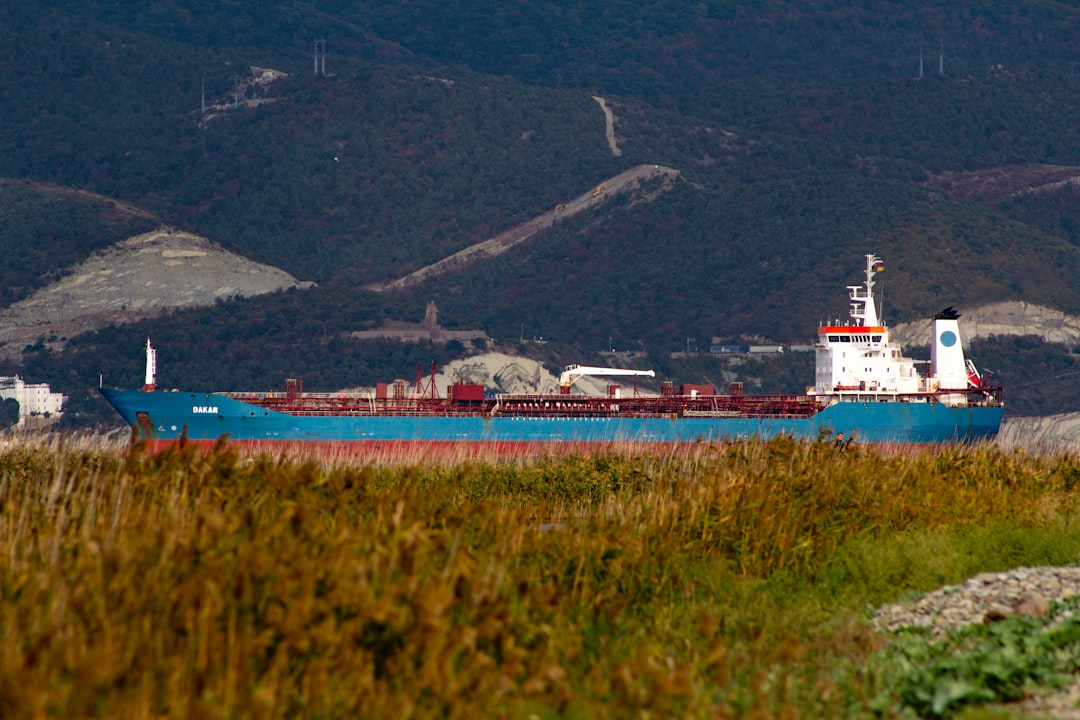
The reliance on recycled sanctioned vessels not only affects the scrapping market but raises questions for operators and charterers as they navigate compliance with international regulations. The increased presence of sanctioned ships in recycling markets adds layers to operational decision-making in regard to fleet management and charter party negotiations.
Behind the Headline
The prominence of sanctioned vessels in the scrapping market signals critical operational adjustments for shipowners and charterers. With a significant number of tankers being recycled, stakeholders must remain vigilant about tracking compliance and navigating risks associated with sanctions. Observing how the scrapping market evolves in response to changing geopolitical conditions will be essential for industry participants focused on long-term fleet strategies and market positioning.