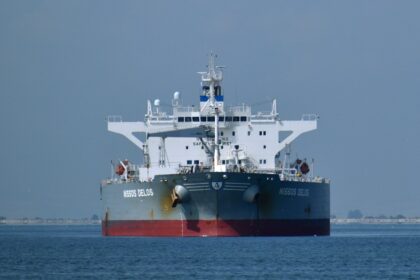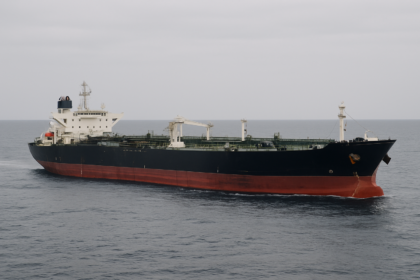



A recent warning has emerged regarding the shipping industry’s reliance on GPS technology, highlighting the need for robust alternatives.
Kian Bostani Nezhad, a PhD researcher at the Technical University of Denmark (DTU), asserts that the shipping sector must no longer depend solely on satellite navigation systems. His research reveals that GPS can be susceptible to interference, raising significant concerns regarding navigational safety.
The Reliability Issue
The concern regarding GPS reliability stems from an increase in satellite navigation interference, which can compromise the accuracy of positioning data crucial for ship navigation. This vulnerability is particularly troubling as shipping routes have become increasingly congested, necessitating precise navigation to avoid collisions and ensure safe passage.



Impact on the Shipping Industry
As the maritime industry continues to evolve, unmitigated reliance on GPS could lead to operational risks. The industry is advised to explore the development of backup systems and alternative technologies to ensure continuous and accurate navigation. With the reliance on a singular navigational method, the potential for significant disruptions in operations grows.
Operator Response
The shipping sector is called upon to integrate alternative navigation strategies and technologies, thereby enhancing resilience against GPS failures. This could involve a combination of optical, inertial, and other advanced navigational methods that provide redundancy and reliability. As vessels become more interconnected, there is a pressing need for comprehensive navigation solutions that safeguard against the risks associated with GPS dependency.
Behind the Headline
The increasing recognition of GPS vulnerabilities underscores a critical transformation in maritime operations. As technology evolves, so too must the strategies that govern navigation practices. With potential disruptions becoming more commonplace, operators and charterers must prioritize the diversification of navigational technologies. A multichannel approach to navigation will not only enhance operational safety but also bolster confidence in maritime logistics, especially in high-traffic routes where precision is non-negotiable.