Update 17 Aug 2026, 10:33 UTC:
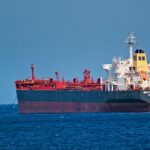
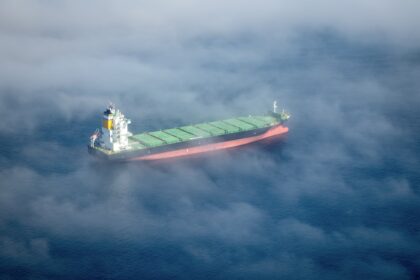
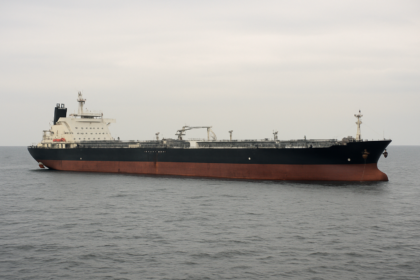
The 2012-built, Liberian-flagged bulk carrier Al Watan was attacked while transiting the Omani corridor of the Strait of Hormuz, suffering a strike from an unidentified projectile. This incident underscores the persistent dangers vessels face while navigating one of the world’s busiest maritime chokepoints, vital for global oil supply.
The Incident
ADNOC, the Abu Dhabi National Oil Company, confirmed that the bulker was targeted during a routine transit. The precise nature and origin of the projectile remain undetermined, but the incident raises alarms among shipping operators regarding the ongoing security threats in the region.


Over recent months, the Strait of Hormuz has been the site of heightened operational risks, with several instances of vessel attacks reported. Each incident not only threatens safety but could also disrupt crucial oil supplies that flow through this narrow passage.
Market Impact
Despite these ongoing challenges, ADNOC has leveraged increasingly sophisticated shuttle operations to maintain the flow of Gulf oil exports. As these operations evolve, they allow for the continued movement of oil even amidst heightened security concerns.
The resilience of such operations is crucial for global energy markets, given that a significant share of the world’s crude oil passes through this chokepoint. Shipping companies will need to enhance their risk management strategies to ensure vessel security while balancing the demand for oil.
Operator Response
Shipping operators are evaluating their current risk assessments and security protocols following the attack on Al Watan. The incident is likely to prompt discussions about more stringent measures for vessels operating in the region, including plans for enhanced monitoring and potential rerouting depending on evolving threat levels.
This latest attack may also lead to increased war-risk insurance premiums as insurers reassess the escalating risks of transit through the Strait of Hormuz. Operators will need to remain vigilant and responsive to any changes in the threat landscape to safeguard their assets and ensure compliance with international regulations.
The Operational Read
The ongoing attacks in the Strait of Hormuz emphasize a critical reality for operators involved in Gulf oil trade. Vessels face not only operational challenges but also increasingly complex security risks that can impact laytime and ultimately revenue. Companies must prioritize instant readiness and adaptive strategies to navigate these high-risk waters. Opportunities may exist for operators who can innovate safety measures or enhance compliance with emerging regulations, making it vital to monitor geopolitical developments closely.