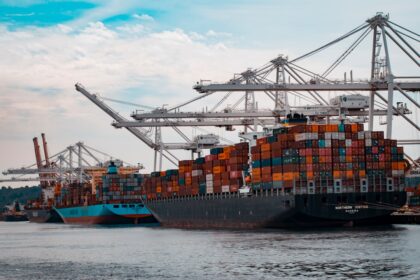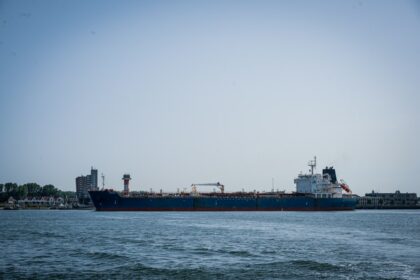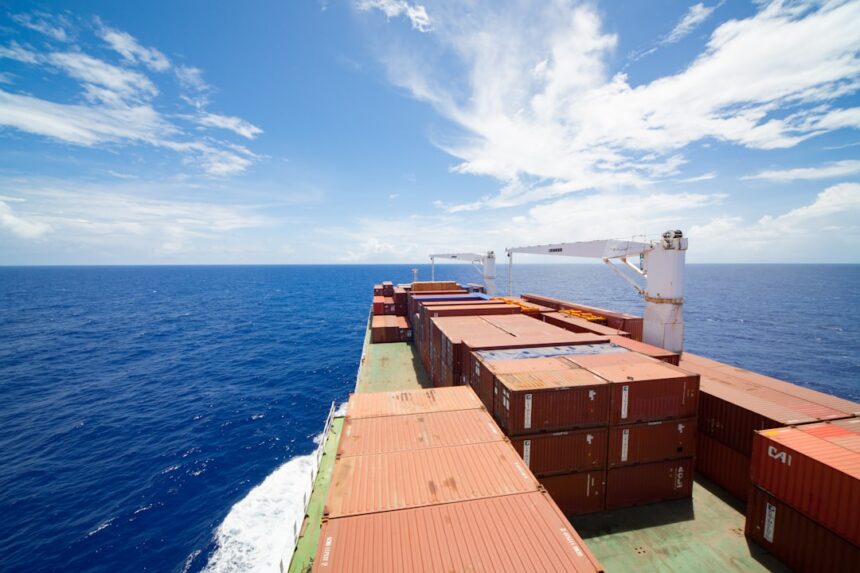
The ongoing disruptions in the Strait of Hormuz have led to a complex financial landscape for container shipping giants Maersk and Hapag-Lloyd. While both operators are incurring significantly higher operational costs, they have also benefited from elevated freight rates and surges in demand.
Financial Performance Amid Disruption
On Thursday, Maersk raised its full-year earnings guidance following a robust second-quarter performance. The Danish shipping company reported a revenue increase of 20% year-over-year, totaling $15.8 billion. EBITDA reached $3 billion, while EBIT nearly doubled to $1.6 billion. Much of this financial improvement stems from the Ocean segment, which contributed an additional $2 billion in revenue compared to the prior year. The strategic rerouting of cargo meant that traffic bound for the Gulf was redirected to alternative port and inland routes, driving up spot rates significantly amidst ongoing congestion.
Hapag-Lloyd, which shares operational synergies with Maersk through the Gemini Cooperation, reported substantial challenges from the same conflict. The German carrier absorbed around $600 million in extra costs during the second quarter, attributable to heightened expenditures on bunkering, insurance, and service rerouting. Despite these headwinds, Hapag-Lloyd observed improved demand, particularly from Asia and the United States, leading to increased transport volumes of 3.5 million TEU.

Market Dynamics and Strategic Adaptations
Both companies have adapted to the challenges posed by the Strait of Hormuz disruptions by optimizing their networks and seeking alternative logistics solutions. For Maersk, the volume of Ocean freight increased by 4.1%, with average loaded freight rates advancing by 22%. Vessels were redeployed to more favorable trade routes, achieving a high utilization rate of 96%. Additionally, Maersk’s Logistics & Services segment showed promising growth with a 15% revenue increase, particularly from landbridge services connecting Gulf ports.
Hapag-Lloyd’s financials reflect a dual narrative: while the carrier’s second-quarter EBITDA reached $829 million, EBIT fell to $176 million. These figures indicate that the additional costs associated with the Middle East conflict have exerted significant pressure on profitability. The firm’s average freight rate rose to $1,475 per TEU, a 9% increase from the previous year, underscoring how the tightening market has caused rates to grow despite rising costs.
Behind the Headline
The current situation in the Strait of Hormuz highlights critical operational challenges for container shipping lines. While Maersk and Hapag-Lloyd have shown resilience in adjusting their networks and looking for growth opportunities, the substantial costs incurred reflect a broader trend of market fragility amid geopolitical tensions. Operators must remain agile, focusing on rerouting strategies and capacity management while keeping an eye on fluctuating demand dynamics across regions. Developing sustainable logistics solutions will be essential as these disruptions evolve and the demand landscape continues to change.