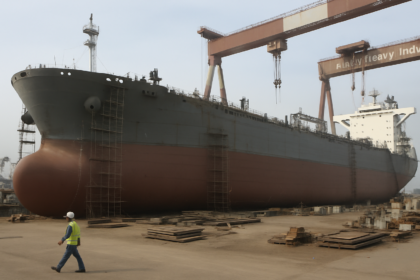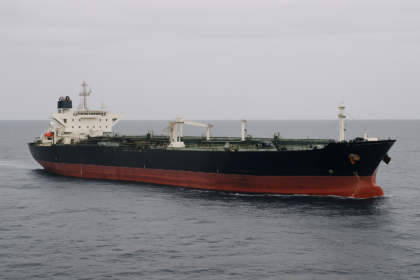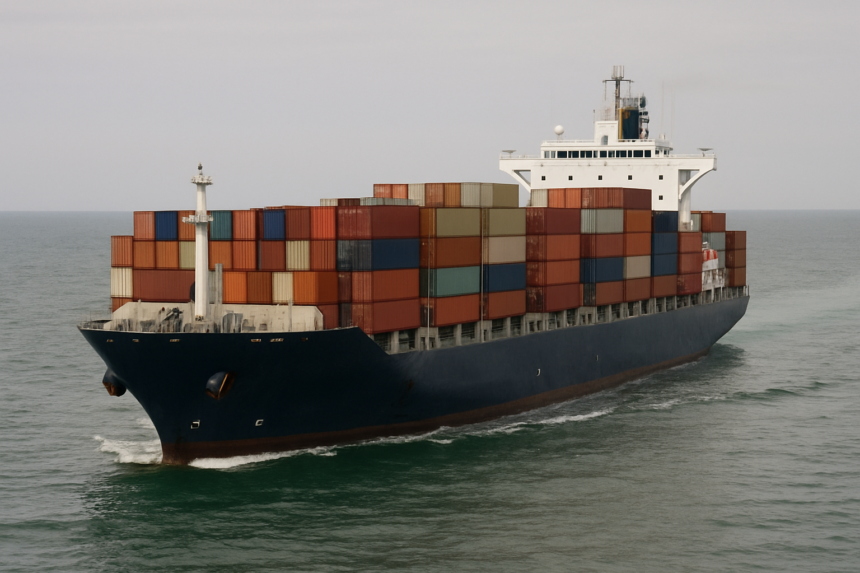
Global Ship Lease has announced its first foray into the newbuilding market with an order for 10 mid-sized, ultra-high-reefer, wide-beam containerships, signaling a strategic effort to modernize its fleet amidst evolving industry demands. Valued at approximately $917 million, this acquisition positions the Athens-based company to enhance its operational capabilities in the competitive liner trade sector.
Details of the Order
The order includes individual contracts for the new vessels, though specific delivery timelines have yet to be disclosed. Each of the ultra-high-reefer designs is expected to provide increased cargo capacity and operational efficiency, catering to the changing needs of the global supply chain. The adoption of wide-beam specifications is particularly relevant as shipping lines strive to maximize deadweight capacity and improve fuel efficiency.
Market Context
The decision to invest in newbuilds comes at a critical juncture for the container shipping industry, which is witnessing a shift toward larger and more technologically advanced ships. This trend is driven by rising consumer demand and the need for more efficient logistics solutions. Competitors are similarly ramping up investments in modern fleets, aiming to capitalize on the expected growth in trade volumes. With this order, Global Ship Lease is poised to not only upgrade its fleet but also respond to the increasing pressures for environmental compliance and sustainability in shipping practices.


Behind the Headline
The operational implications of this order for Global Ship Lease are significant. By investing in ultra-high-reefer vessels, the company aims to serve a niche that demands innovative shipping solutions, particularly for temperature-sensitive cargo. This move could enhance the company’s competitive edge as it prepares for rising volumes in refrigerated goods transport. Operators should monitor the delivery timeline closely, as early deployments could impact charter rates and availability within this segment. The focus on wide-beam designs also signals a shift in operational strategies, pushing for lower operational costs per TEU while adhering to emissions reduction targets.