Update 14 Aug 2026, 10:35 UTC:
Oil prices have experienced a notable increase on Friday, setting the stage for their first weekly gain in three weeks, amid heightened tensions in the Strait of Hormuz. Brent crude futures, a key global benchmark, climbed 1.0% to $87.90 per barrel, while U.S. West Texas Intermediate (WTI) crude futures rose 1.6% to $82.56 per barrel by early morning. Both benchmarks are trading approximately 5% higher for the week, driven by the ongoing uncertainties in a critical maritime chokepoint.
The Incident
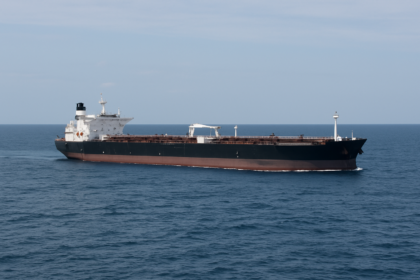
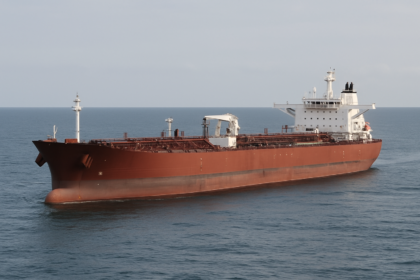
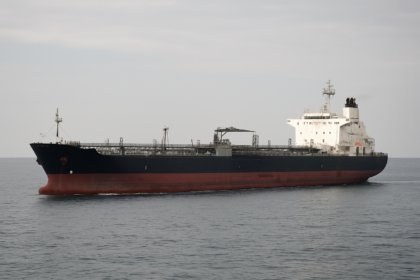
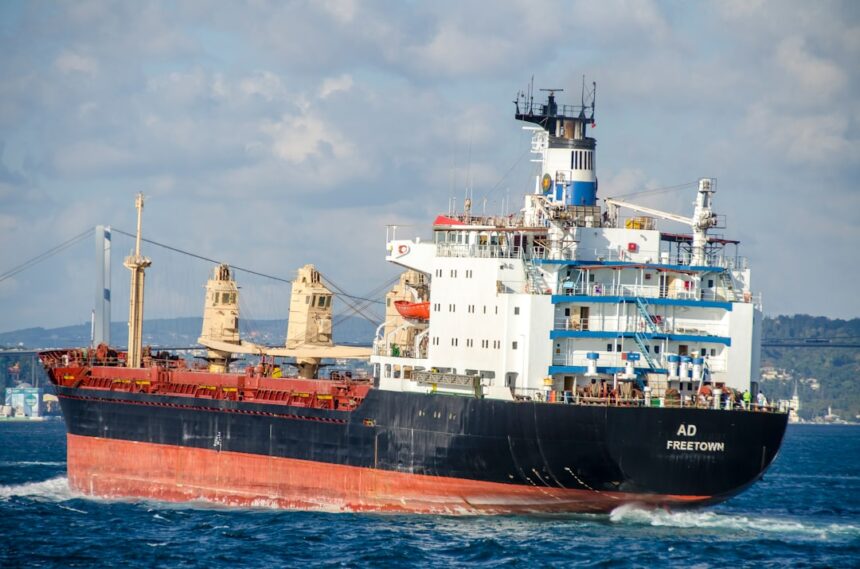
The United Kingdom Maritime Trade Operations (UKMTO) reported that a tanker was struck by an uncrewed aerial vehicle while attempting to exit the Strait of Hormuz. The agency confirmed that the vessel incurred minor damage and that the crew is safe. Importantly, no environmental impact has been reported. However, the incident underscores the increasing risks for vessels transiting the strait, which is vital for global oil and liquefied natural gas shipments, accounting for roughly 20% of total world exports prior to recent conflicts.

Geopolitical Context
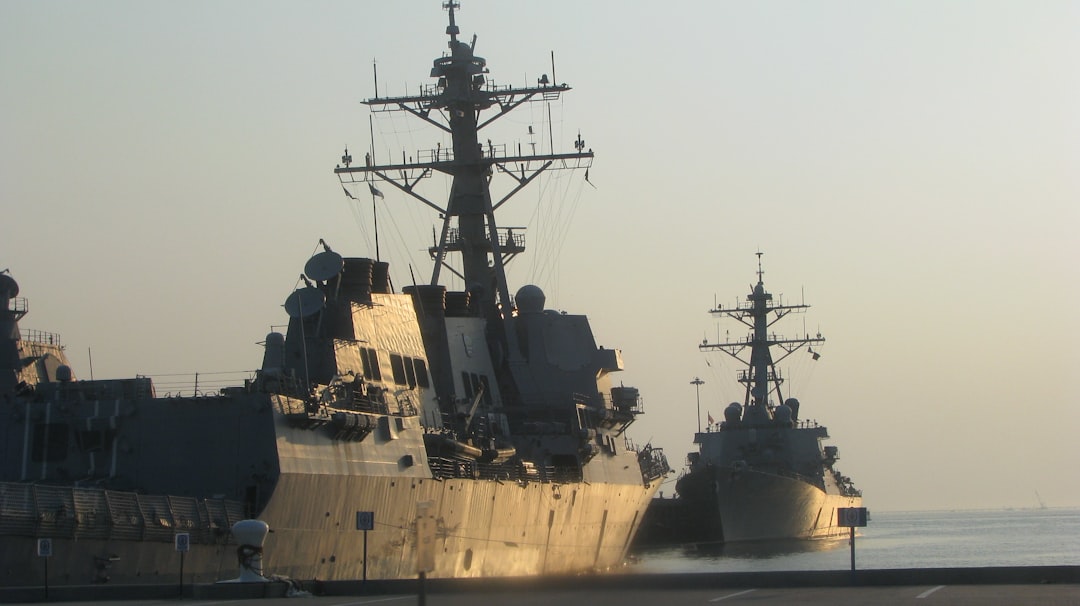
Geopolitical tensions have significantly escalated in the region, with Iran asserting control over the Strait of Hormuz and closing it off to commercial shipping, despite U.S. claims of facilitating shipping movements. U.S. Defense Secretary Pete Hegseth indicated that the U.S. could maintain a naval blockade of Iranian ports indefinitely, while Treasury Secretary Scott Bessent warned of unprecedented economic measures against Iran. These developments come as President Donald Trump has articulated a strategy intended to compel Iran to accept U.S. demands, including a nuclear deal and free navigation through the Strait.
Market Implications
Despite the current uptick in oil prices, the rally may face headwinds as both the Organization of the Petroleum Exporting Countries (OPEC) and the International Energy Agency (IEA) have revised their demand forecasts downward, citing concerns of stagnant economic growth, high prices, and restricted supplies. This mixed outlook may complicate market sentiment in the coming months.
The Operational Read
The ongoing tensions in the Strait of Hormuz present significant operational challenges for shipping companies. With potential threats to vessels and the evolving political landscape in the region, operators must implement rigorous risk management measures. Enhanced security protocols and potential rerouting may become necessary as tensions continue to fluctuate. The impact of U.S. sanctions and naval presence could limit Iran’s ability to control the waterway effectively, creating an unpredictable environment for commercial shipping. Observations of increased military activity and ongoing economic sanctions will be critical for operators in assessing their routes and ensuring the safety of their crews and cargo.