Recent disruptions in the Strait of Hormuz have severely impacted global trade, particularly in energy, fertilizers, and industrial products. According to analysis published by the International Trade Centre (ITC), exports of liquefied natural gas (LNG) have decreased by an unprecedented 95%, underscoring the strategic vulnerabilities associated with this critical maritime chokepoint.
The Strategic Importance of Hormuz
The Strait of Hormuz, located south of Iran, accounts for roughly one-quarter of the world’s seaborne oil trade and a significant portion of the global liquefied natural gas supply. Approximately one-third of globally traded urea also passes through this narrow passage. Recent military escalations have led to heightened concerns over navigation safety, which, combined with increased transport and insurance costs, have taken a considerable toll on trade flows through this vital corridor.
Impact on Exports
In April, data indicated that the combined value of merchandise exports from Hormuz-dependent nations fell by 21%. Analysis points to a broad decline across multiple sectors, with LNG experiencing the steepest decline. Among other significant drops were exports of urea, which fell by 83%, methanol by 80%, and ammonia by 75%. The total volume of exports across 12 strategically important products dropped by 54%, reinforcing the disruption’s widespread effects.

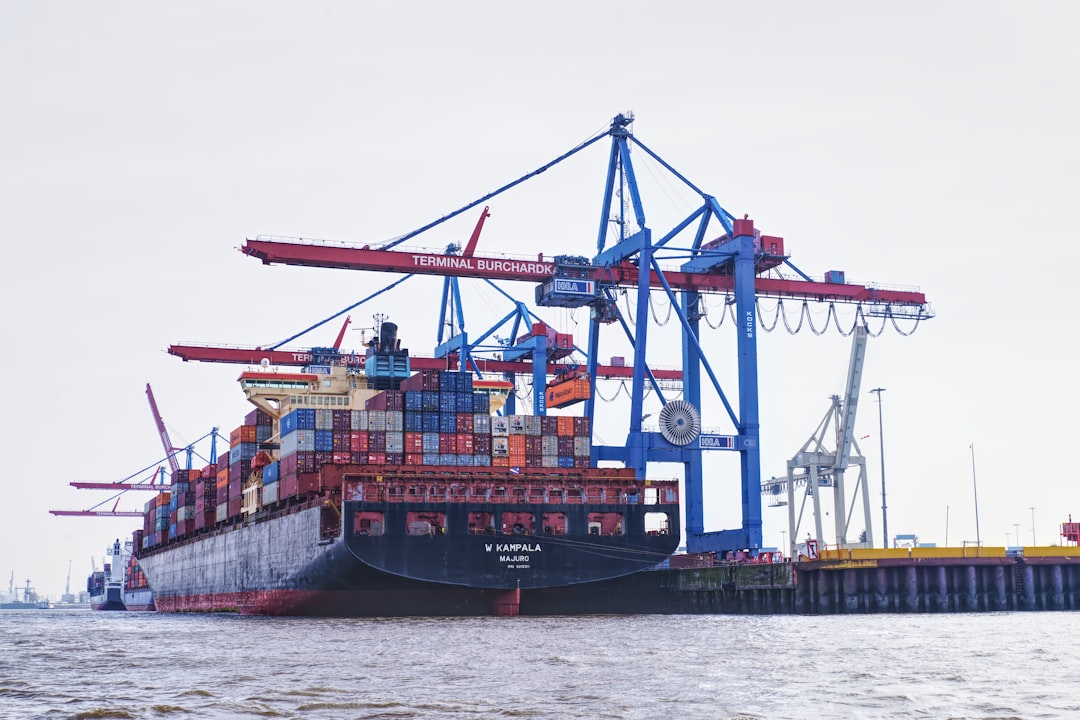
Notably, the total volume of crude petroleum exported fell by 28 million tonnes, with refined petroleum oils and LNG experiencing respective declines of 7.3 million tonnes and 5.5 million tonnes. These figures indicate substantial losses across various energy sectors, revealing the interconnected nature of global supply chains.
Changing Trade Dynamics
Import markets have exhibited diverse reactions based on their dependency on Hormuz for supply. Countries like Japan and the Republic of Korea, which historically sourced a substantial percentage of their crude oil from Hormuz-dependent nations, faced severe reductions in imports—64% for Japan in April alone. Conversely, Thailand has strategically increased imports from alternative suppliers by 62%, demonstrating the agility of some markets to adapt to the disruptions while others struggle.
The Operational Read
The operational implications of the current disruptions in the Strait of Hormuz are profound for all stakeholders involved in maritime trade. For ship operators and charterers, navigating this chokepoint will require heightened risk assessments and possibly rerouting to maintain supply lines. Higher insurance premiums and bunkering costs will likely exacerbate operational expenditures. It is crucial to observe how the volatility impacts supply chain management and contract negotiations in the near term, particularly regarding existing charters and commitments. The situation underscores the necessity for alternative sourcing strategies to mitigate dependency risks, a trend that will likely shape trade patterns in the months ahead.