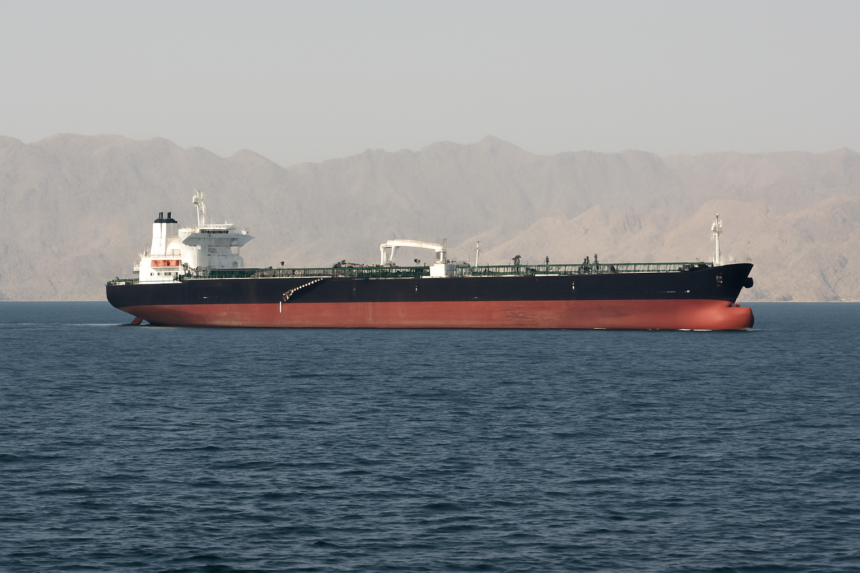
Iran’s Warning to US Naval Forces
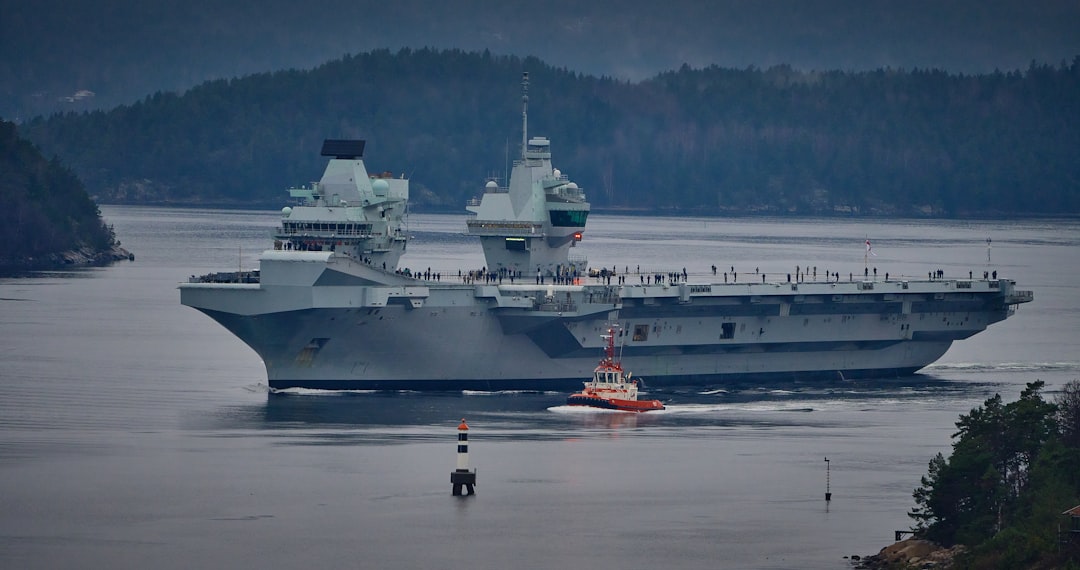
Tehran has issued a stark warning to US naval forces regarding attempts to alter shipping routes in the Strait of Hormuz, asserting that any US warship straying from designated maritime corridors will be targeted. Mohsen Rezaei, a senior advisor to Iran’s supreme leader, reinforced this stance in a recent state media interview, stating, “We won’t allow the second corridor to open. Even if they deploy warships, we will target them.” This declaration comes amidst heightened tensions over US naval presence in the region.
Escalating Regional Tensions
The situation has intensified as Rezaei also threatened repercussions for US military installations should the naval blockade on Iran persist. He emphasized the potential dangers facing US ships and bases, stating, “We will not sit and watch the US continue the naval blockade.” This suggests a high-risk environment for commercial shipping operations navigating through this vital geopolitical hotspot.
Amid these developments, President Donald Trump expressed hopes for imminent negotiations with Iran, characterizing this as a critical juncture for diplomatic resolutions. However, Iranian officials have refuted claims of new negotiations with the US, asserting that their current engagements are exclusively with Oman to establish a temporary shipping corridor through the Strait.

Recent Incidents and Investigations
Compounding concerns, a cargo vessel in the Strait of Hormuz was reportedly hit by an unknown projectile, an incident confirmed by the United Kingdom Maritime Trade Operations (UKMTO). The strike occurred approximately 37 kilometers northeast of Al Khasab, Oman, prompting an investigation into the event. Details regarding the extent of damage or potential casualties remain unclear, but this incident underlines the increasing peril faced by vessels operating in the vicinity.
The Operational Read
The heightened tensions in the Strait of Hormuz necessitate vigilant situational awareness for shipping operators. The threat of targeting may lead to increased war-risk premiums and operational adjustments, particularly for vessels reliant on this passage. Operators are urged to assess their routes and consider alternative passage plans to mitigate risks amid escalating rhetoric and potential military actions. Future developments, including diplomatic efforts or military maneuvers, will significantly influence operational dynamics in this critical maritime corridor.