On July 31, the Chinese coast guard conducted patrols in waters east of Taiwan, an action described as routine law enforcement by Beijing. However, Taiwan condemned the maneuvers as politically motivated, aimed at enhancing Chinese territorial control. Tensions have escalated over the assumed unilateral changes in the Taiwan Strait’s status quo, drawing concerns from several Western nations.
The Incident
The Chinese patrols were led by the vessel Xiushan, which, according to a spokesperson from the coast guard, has been tasked with strengthening control over the area to safeguard the rights and livelihood of fishermen. Specifically, two Chinese coast guard vessels were detected: Xiushan was situated about 151 nautical miles east of Lanyu, while another, Chongming, was located 43 nautical miles to the northeast. The Taiwan Coast Guard Administration promptly responded by deploying the patrol vessel Taipei to monitor these activities, labeling the Chinese patrols as ‘fake law enforcement’ aimed at real power expansion.
Regional Reactions
China’s intensified coast guard operations come in the wake of maritime border discussions involving Japan and the Philippines, believed to be a catalyst for these actions, which began on the eastern front in June. The heightened military and coast guard activity around Taiwan, particularly in the eastern waters, poses significant implications for wartime supply lines should a conflict arise.

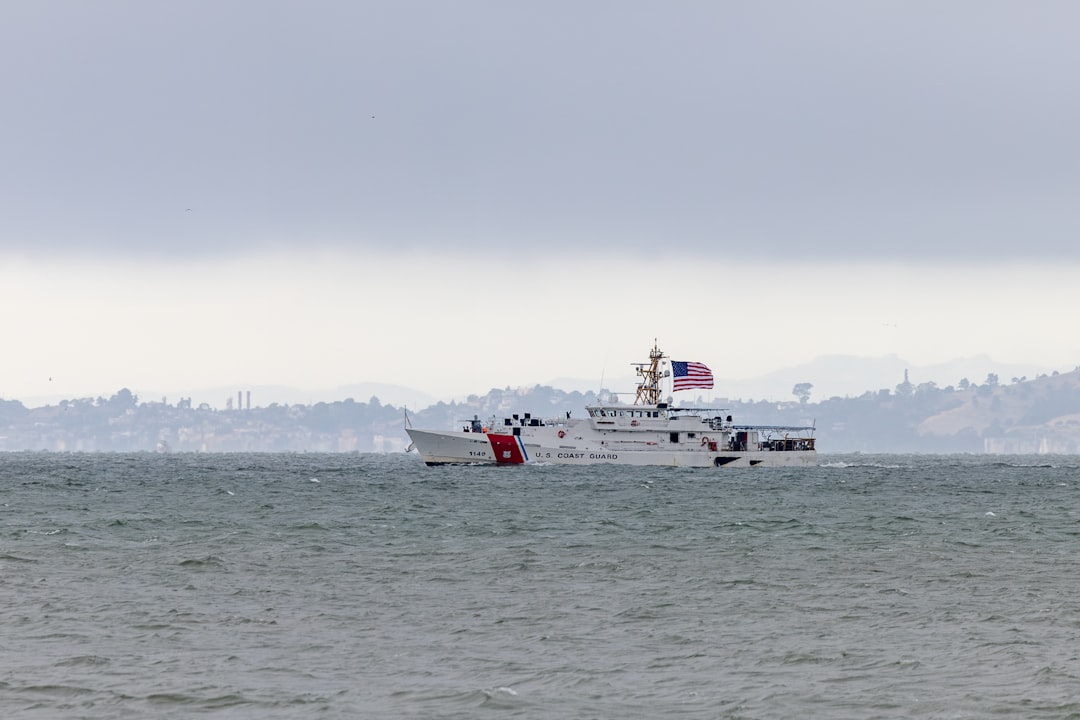
Adding to the complexity, the U.S. de facto embassy in Taiwan recently disclosed a previously unreported coordination between the Taiwanese and U.S. coast guards, underscoring the broader geopolitical stakes at play. A photo was released showing a Taiwanese vessel sailing alongside the U.S. Coast Guard cutter Midgett, signalling a united front on regional security issues.
The Operational Read
The operational implications of these developments are profound for both regional and international stakeholders. As China continues to assert its presence in waters critical for potential logistics and supply routes, shipping operators must adopt heightened vigilance and consider the ramifications of increased maritime risks. The dual-focus on fishing rights and political strategy suggests that the region will see continued maritime engagement and potential confrontations. For charterers and shipping lines, understanding the evolving geopolitical landscape will be essential for navigation and route planning, especially in a context where military and coast guard activities are on the rise.