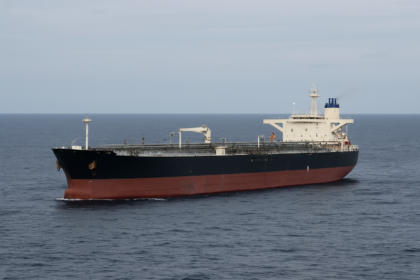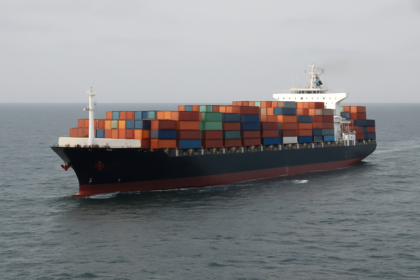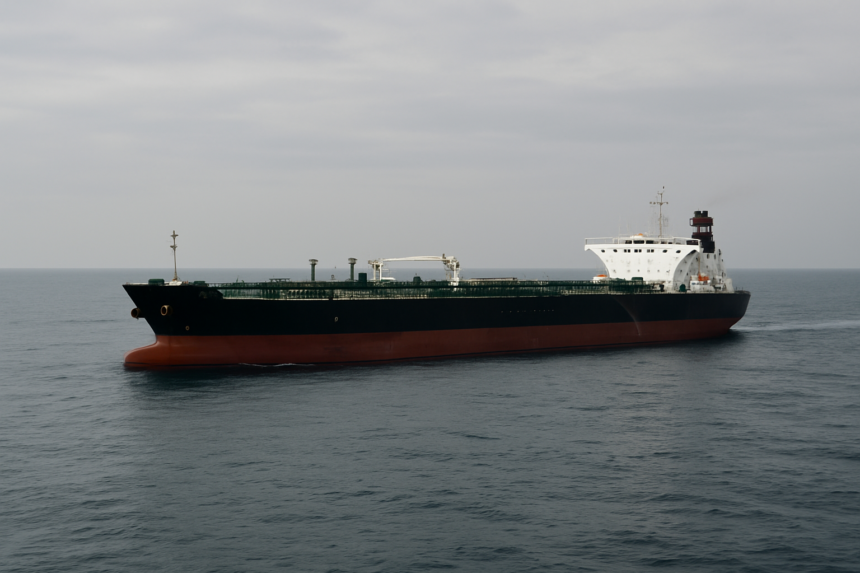
The maritime landscape in the Gulf and Red Sea is facing increased instability as the United States contemplates a major military escalation against Iran. This development poses significant risks for shipping operations navigating the vital routes of the Strait of Hormuz and Red Sea during a period of heightened geopolitical tensions.
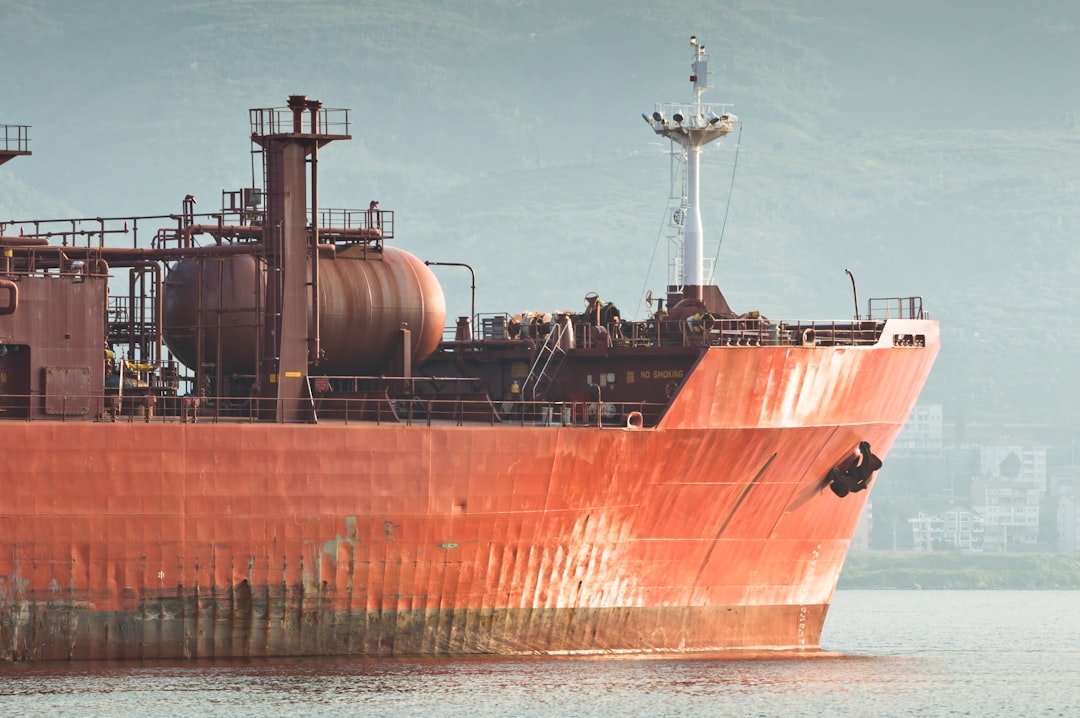
Escalating Tensions
Recent reports indicate that Washington is weighing its options regarding military action in response to aggressive maneuvers by Iranian forces. The situation escalated sharply as oil slicks reportedly spread towards two Gulf islands, creating both environmental concerns and complications for ongoing maritime operations.
The potential for military conflict raises the stakes for commercial shipping, particularly for operators relying on these critical chokepoints, which account for a substantial portion of global oil transport. As tensions rise, the implications for shipping costs, such as war-risk premiums and increased insurance rates, are becoming a focal point for industry analysts.


Legal Implications for Crews
Shipping companies are now facing legal scrutiny over the potential liabilities associated with sending crews into areas classified as active war zones. The ramifications of such decisions could lead to increased operational costs and further complications for crews already working under demanding conditions.
As the risk of escalation looms large, companies will need to weigh the economic implications of potential interdictions or military engagements against the imperative of securing safe passage for their vessels. This decision-making process is further complicated by the uncertainty surrounding the current geopolitical climate.
Market Response and Future Projections
In response to these developments, operators are beginning to reassess their normal shipping routes. Companies may explore alternative passages or consider delaying shipments to mitigate risks associated with the potential for conflict. Meanwhile, increased vigilance and heightened security measures are likely to be adopted at ports and aboard vessels operating in the region.
The Operational Read
The operational landscape is changing swiftly as the prospect of military escalation affects maritime logistics in the Gulf and Red Sea. Shipping companies must navigate a dual challenge: balancing their economic interests with the imperative to ensure crew and cargo safety. Operators will need to remain vigilant regarding the evolving geopolitical landscape and adapt their strategies to ensure compliance with international maritime law while safeguarding their assets. Observers will be watching closely for any U.S. military actions and their potential impact on commercial shipping routes, including changes in shipping demand and possible shifts to longer, alternative routes. Investments in vessel security and crew training may also become paramount in this volatile environment.