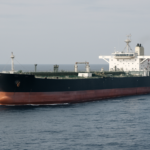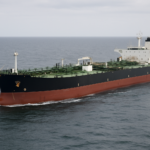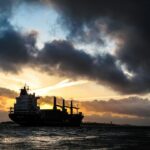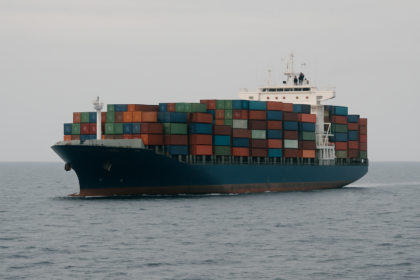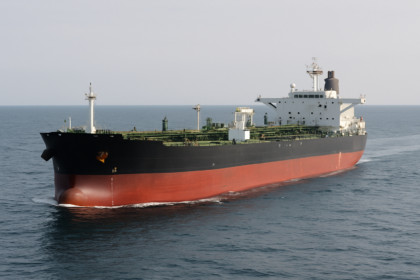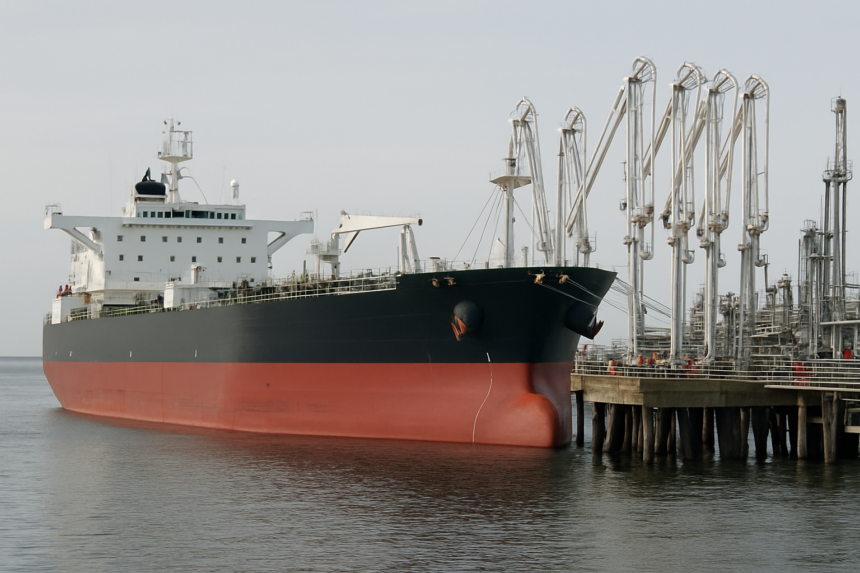
The Caspian Pipeline Consortium (CPC) has faced significant disruptions in oil loading operations due to a series of drone attacks targeting tankers over the past several days. On July 20, the Nelsa tanker was attacked while loading Rosneft Urals crude, following prior incidents that have hindered CPC’s crucial export capacity.
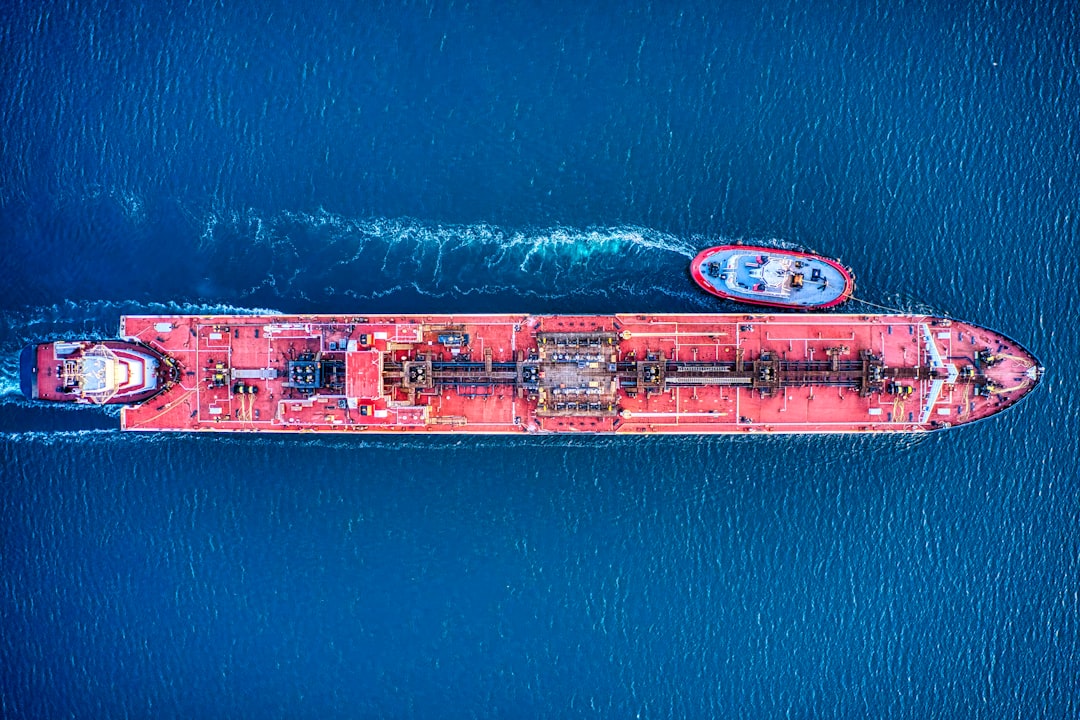
The Incident
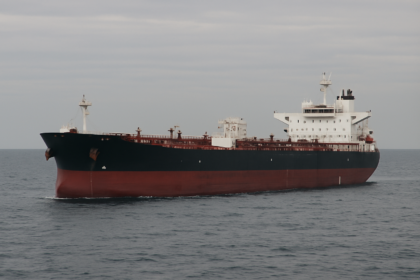
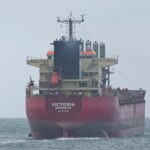
The Nelsa, previously known as Fast Kathy, was struck on its starboard side during loading operations at the CPC network. The attack ignited a fire on the vessel, which was subsequently controlled by the onboard personnel and emergency response teams from CPC. The vessel has been subject to sanctions from the UK and EU for its alleged involvement in illicit Russian oil trades.
In the days leading up to this incident, CPC had already reported disruptions due to attacks on other tankers. On July 19, two vessels, including the Liberia-flagged Asia carrying oil from Tengizchevroil and the Marshall Islands-flagged Nissos Ios, were also targeted by Ukrainian military strikes. Despite these events, Chevron reported that its operations had not been impacted.

Market Impact
The CPC channel plays a critical role in exporting oil from Kazakhstan, with current averages showing around 1.48 million barrels per day for 2026. However, this figure may fluctuate sharply due to such disruptions. Industry analysts from S&P Global CERA have indicated that if loading operations resume quickly, the effect on oil price differentials and freight rates could be negligible. Conversely, if delays prolong, market prices could rise significantly.
Significantly, tankers involved in these incidents have been primarily used for transporting Russian-origin crude in recent years. CAS data reveals that the vessels had not engaged in significant loading of Kazakh oil transactions prior to recent sanctions. The risk associated with such operations has prompted the affected companies to reassess their strategies moving forward.
Operator Response
With the rapidly escalating tensions in the Black Sea, companies involved are being forced to navigate a complex landscape. CPC has not publicly commented on the restoration status of operations after the latest incidents. However, stakeholders are acutely aware of the ramifications these attacks may have on international oil markets and regional security. The Ukrainian military has openly acknowledged its responsibility for the strikes, emphasizing that targeted tankers facilitated Russian military logistics.
The Operational Read
For operators relying on the CPC for crude oil exports, the immediate focus will be on the integrity of operations and the security of their vessels. The recent events highlight the vulnerability of maritime transport routes in conflict zones, stressing the necessity for robust risk mitigation strategies. Companies may need to consider increased insurance premiums and potential re-routing options to safeguard their assets. Monitoring the geopolitical landscape will be crucial as operators prepare for the possibility of more aggressive tactical actions. Stakeholders should keep an eye on CPC’s response and the potential for evolving operational protocols in light of these sustained threats.