Update 21 Jul 2026, 18:35 UTC:
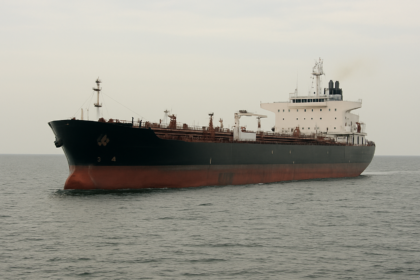
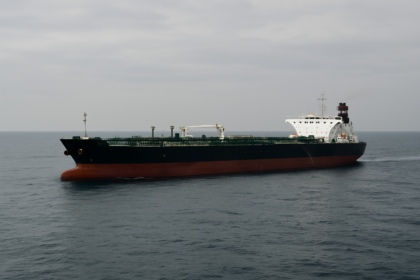
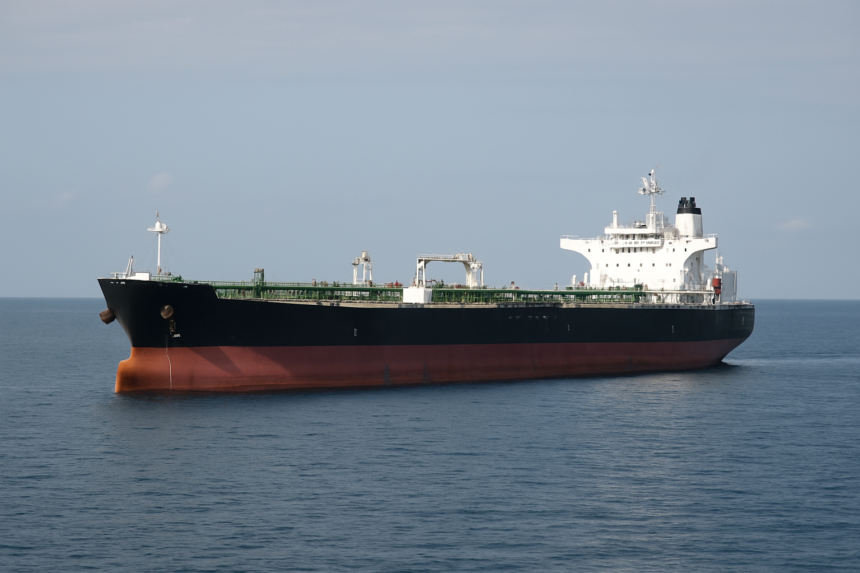
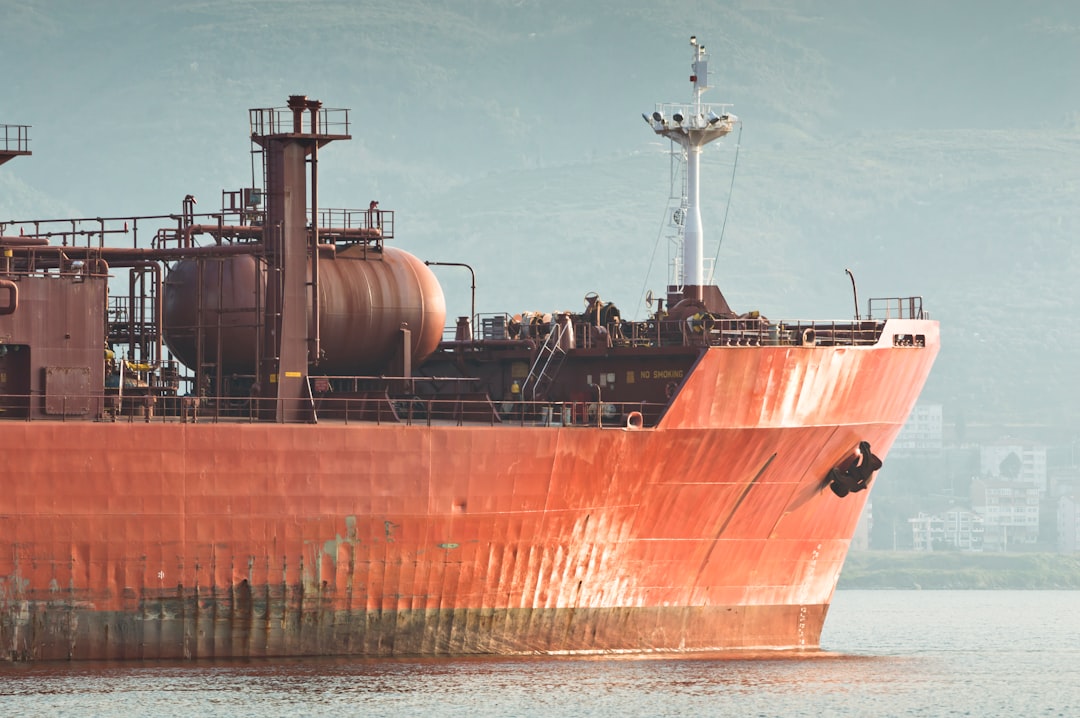
On Tuesday, a tanker was attacked in the Strait of Hormuz, an area critical to global shipping, with crew members forced to abandon the vessel. The attack, claimed by Iran’s Islamic Revolutionary Guards Corps (IRGC), marks an escalation in the ongoing hostilities between the U.S. and Iran, as both nations engage in a series of retaliatory actions.
Military Escalation
The incident occurred near Oman, as reported by the British military’s United Kingdom Maritime Trade Operations center. Concurrently, the U.S. conducted additional airstrikes on Iranian targets, citing an objective to diminish Iran’s capacity to threaten commercial shipping in the strait. The U.S. Central Command stated it targeted military sites in Iran, including locations on Qeshm Island and Bandar Abbas, following allegations that Iranian strikes resulted in casualties among U.S. service members.

This escalation follows a recent pattern of tit-for-tat attacks, igniting serious concerns among shipping operators regarding the safety of transits through the Strait of Hormuz, which is pivotal for global oil trade. The IRGC’s most recent actions also included drone strikes on U.S. military bases in surrounding regions, heightening regional geopolitical instability.
Implications for Maritime Trade
The repeated assertiveness of Iranian forces over the Strait of Hormuz has led to increased tensions regarding maritime navigation regulations. Iran maintains that vessels must coordinate their passage in the strait, while the U.S. insists on freedom of navigation for all. As a response to perceived threats, the U.S. has reimposed a naval blockade on Iranian activities, further complicating operational dynamics in the region.
Iran’s influence over maritime routes is challenged by U.S. measures aimed at safeguarding commercial vessels, which has introduced risks for shipping operators. Observers note that oil prices are fluctuating amid these tensions, with recent reports indicating a downward trend due to speculation about mediation efforts for conflict resolution. However, the potential for increased military engagement remains a critical concern as Iranian-backed groups declare blockades impacting regional maritime activities.
The Operational Read
The situation in the Strait of Hormuz illustrates a complicated operational landscape for shipping companies and crews navigating one of the world’s most crucial maritime chokepoints. With Iran’s assertion of control and the U.S. commitment to ensuring free passage, operators must remain vigilant regarding potential disruptions. It is essential for charterers to assess risks associated with routes through the strait, including updating risk assessments and insurance premiums. As military tensions simmer, operators should monitor developments closely, especially regarding the response from maritime security mechanisms and the potential for heightened military engagements that could impact laytime and demurrage costs.