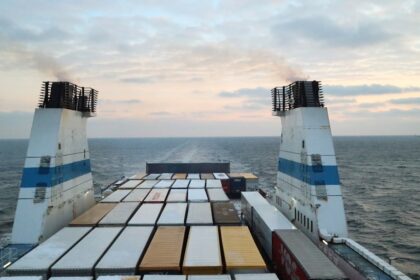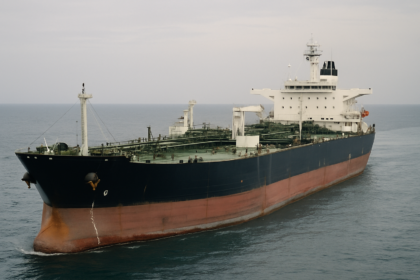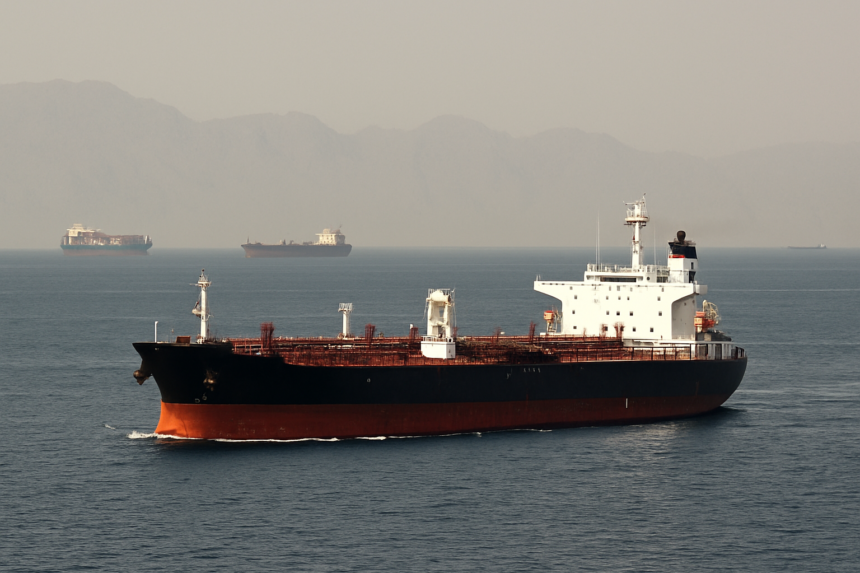
Recent figures reveal a steep decline in maritime traffic through the Strait of Hormuz, one of the world’s most critical shipping routes. Data from AXSMarine indicates that average daily crossings dropped from over 34 vessels in the first week of July to just 14 vessels between July 12 and 16, reflecting a worrying trend for operators.
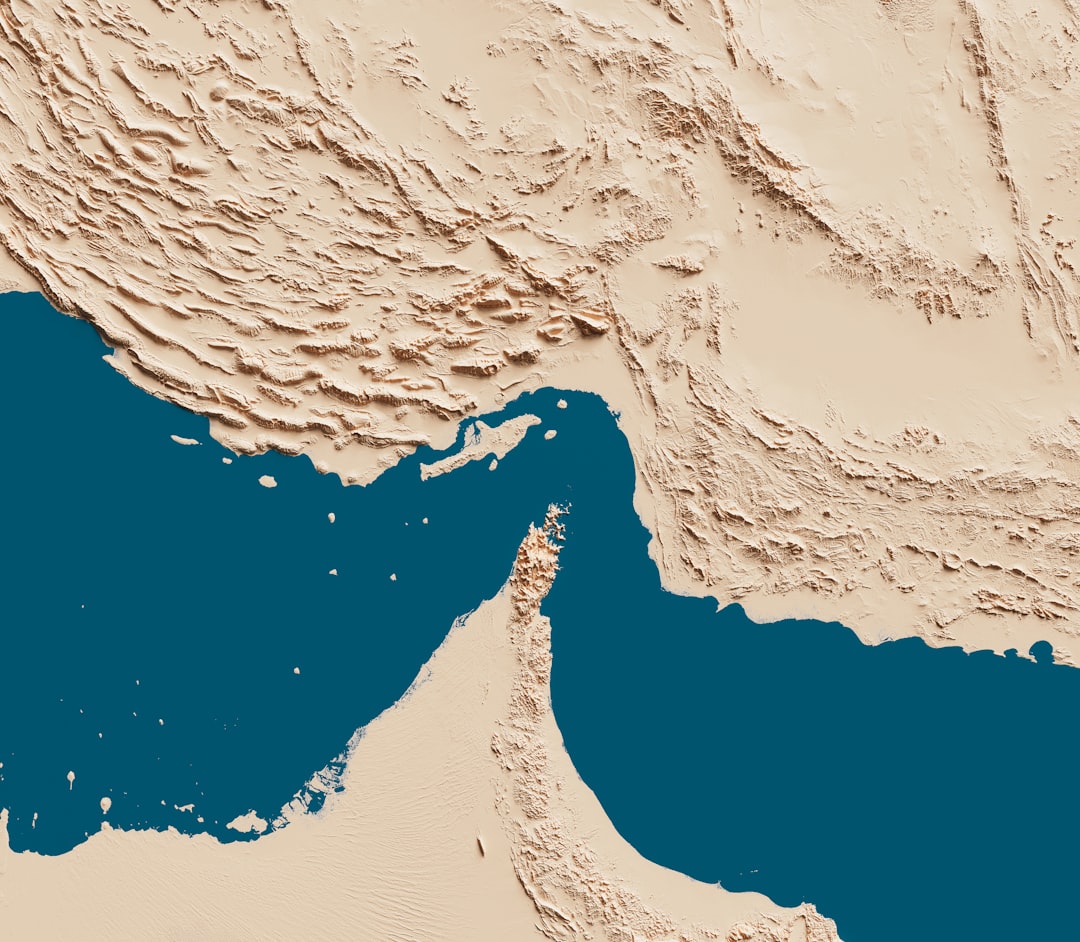
The Shift in Vessel Behavior
This reduction in traffic follows a series of attacks on shipping vessels and subsequent US military actions, which have prompted significant changes in how vessels navigate the corridor. Following initial incidents on July 7 that encouraged a temporary re-routing towards the Iranian-controlled corridor, the situation escalated with further attacks and strikes. As a result, a substantial portion of traffic now avoids the region altogether.
In the first week of July, only 45% of vessels opted for the Iranian corridor, while 34% preferred the Omani route. By July 12-16, use of the Iranian corridor surged to 63%, indicating a decisive pivot by operators to avoid potential conflict, despite the risks associated with such a decision.

Concerns Over Dark Crossings
The phenomenon of ‘dark transits’, where vessels operate with their Automatic Identification System (AIS) turned off, has become increasingly prevalent, climbing from 37% during the initial week of July to 44% in mid-July. This practice complicates the safety and security landscape, as vessels entering dark mode may signal an intent to conceal their movement from potential threats.
As reported, the average deadweight capacity of vessels transiting the Strait has also plummeted by 68% since earlier in the month, reflecting not only fewer vessel movements but also the broader implications for maritime trade and supply chain logistics that rely on this critical chokepoint.
The Operational Read
The observed decline in traffic through the Strait of Hormuz highlights the acute operational challenges for shipping companies navigating through volatile regions. The elevated use of the Iranian corridor indicates a risk-reward calculation by operators prioritizing perceived safety over the potential hazards associated with routing choices. The marked increase in dark transits raises further concerns about visibility and the ability to ensure safe passage in a geopolitical landscape marked by uncertainty. Stakeholders should continue monitoring developments closely, particularly as tensions persist and operational dynamics adjust to an evolving threat landscape.