Update 20 Jul 2026, 08:34 UTC:
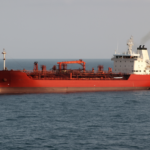
Commercial shipping in the Black Sea region experienced significant danger over the weekend, with military actions from Russian forces against foreign-flagged vessels increasing alarm among maritime operators. Notably, the Turkish-owned, Guinea-Bissau-flagged vessel Golden Leo was struck by three Russian cruise missiles. This incident underscores escalating hostilities affecting shipping routes crucial for global trade.
The Incident
On Sunday, the Golden Leo, which had recently departed from a port, became a target of Russian military aggression. The missile strikes not only resulted in damage to the vessel but have raised significant safety and operational risks for shipping companies operating in the Black Sea. This event is part of a broader pattern of maritime confrontations in the region, reflecting the intensified military focus on disrupting foreign shipping.


Market Impact
The repercussions of this weekend’s violence are likely to ripple through the logistics and shipping sectors. Operators may face increased costs related to war-risk premiums, as insurance underwriters respond to the marked uptick in hostilities. Additionally, the heightened security environment may deter ships from transiting the area, leading to potential delays and increased laytime, impacting overall freight operations.
Operator Response
In light of these developments, shipping operators in the Black Sea are urged to conduct thorough risk assessments and consider rerouting options. As the conflict continues to dictate maritime activity, companies must adapt their strategies to mitigate potential disruptions in service. The successful navigation of these challenges will depend on real-time intelligence and adaptive operational planning.
The Operational Read
The recent escalation of military actions in the Black Sea poses formidable challenges for shipping operators, especially in terms of safety and insurance costs. Companies engaged in this area must closely monitor military developments and establish robust contingency plans. The necessity for instant readiness in response to evolving threats is paramount. Additionally, the potential for delays and disruptions will necessitate flexible logistics strategies to ensure efficient supply chain management. Operators should particularly focus on the implications of increased war-risk premiums and the possibility of limited access to critical trade routes amidst ongoing tensions.