Update 12 Jul 2026, 22:36 UTC:
Vessel traffic through the Strait of Hormuz remains subdued as tensions escalate between the United States and Iran, following US President Donald Trump’s announcement that a ceasefire has ended. This shift coincides with ongoing negotiations that have not yielded tangible results, leading to a marked decrease in maritime activity.
According to the Strait of Hormuz tracker, a real-time monitoring system, only 34 vessels transited the Strait in the past 24 hours. This contrasts sharply with the 40-50 daily transits during a prior ceasefire and approximately 150 transits before the onset of hostilities. The Strait of Hormuz is critical for global oil trade, with around one-third of seaborne crude oil and up to 20% of the world’s total oil volumes passing through its waters.

Impact on Oil and Chemical Markets
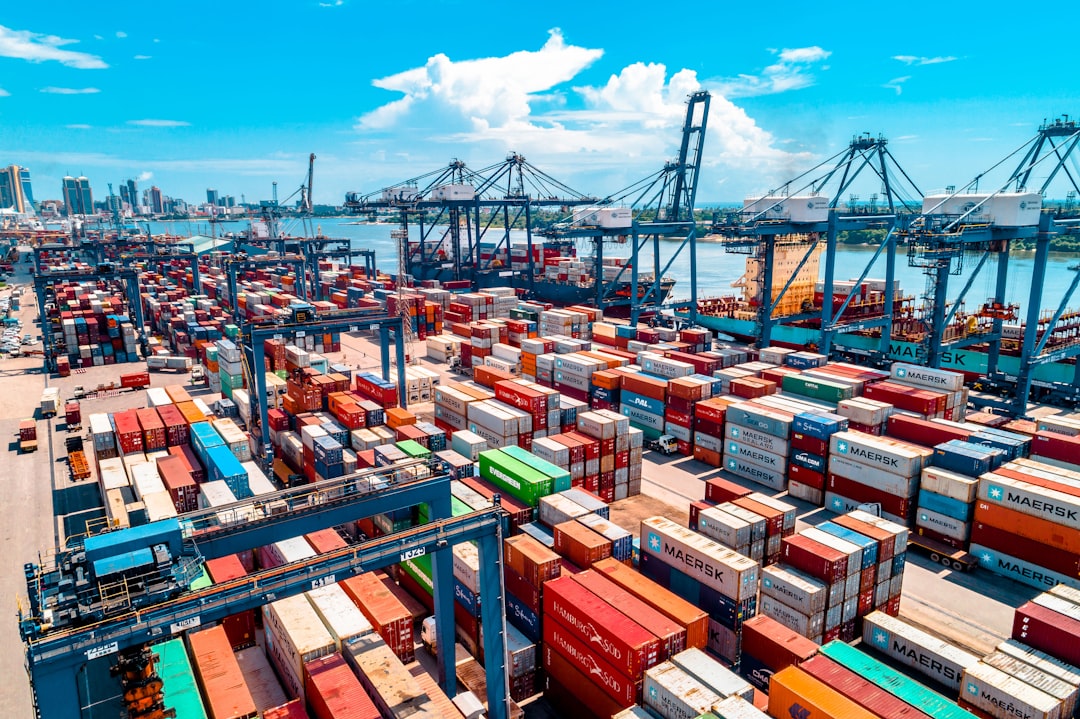
The decline in vessel traffic poses significant threats to crude oil and chemical markets, as fluctuations in supply from this strategic route can ripple through global pricing structures. The closure’s effect on container shipping is less pronounced, given that less than 2% of global container capacity utilizes this passage. However, surging bunker fuel prices and emerging supply chain vulnerabilities have contributed to rising freight rates.
Container Shipping Rate Trends
Container rates on routes from East Asia and China to the United States have seen upward momentum. Recent reports indicate spot rates have surged to $7,400 per FEU on the West Coast and approached $9,000 per FEU on the East Coast. This increase is largely driven by early peak season demand as importers rush to ship goods ahead of potential tariff implementations, which remain under discussion by the U.S. Trade Representative.
Judah Levine, a leading analyst from the shipping platform Freightos, highlighted that the impending Section 301 tariffs are influencing this frontloading activity. The current supply-demand scenario enabled carriers to implement substantial general rate increases (GRIs) and peak season surcharges (PSSs), resulting in an increase of over $3,000 per FEU since late May.
As carriers continue to add capacity to meet this demand surge, some market observers caution that frontload-driven demand may have already peaked. This, combined with additional capacity, may result in significant mid-month rate adjustments, with a potential easing of prices as July progresses.
Operational Outlook
Peter Sand, chief analyst at Xeneta, noted that shipping rates continue to reflect extraordinary levels, significantly higher than what shippers anticipated at the year’s onset. Drewry, a supply chain consultancy, reported only three blank sailings on the transpacific trade route for the upcoming week, indicating tight capacity constraints across the market.
Currently, carriers are seeking to implement GRIs in the range of $2,000-3,000 per FEU on transpacific routes, effective July 15. Analysts predict that freight rates will likely remain elevated in the near term as the market absorbs ongoing geopolitical uncertainties and supply chain pressures.
Behind the Headline
The ongoing tensions between the US and Iran not only impact maritime operations but also influence broader economic factors, particularly regarding energy security and shipping costs. With reduced vessel traffic through the Strait of Hormuz, operators face uncertainties that could lead to increased operational risks and higher insurance premiums. In tandem, rising container shipping rates underscore the fragility of the current supply chain, emphasizing the need for operators to remain agile in response to shifting market conditions. Upcoming tariff deadlines will further complicate navigational and financial planning in the transpacific trades, warranting close monitoring of both geopolitical developments and freight rate trends.